
Reviewed · NAPA & SONOMA WINE TOURS
Private Farm Workshop in Napa Valley
Skip the wine and learn Napa’s farming way. This private 1.5-hour workshop with Stepping Stone Farm turns lush Napa Valley into an educational market garden experience, built around regenerative no-till practices and real seasonal growing.
I love the way the guide, Patrick, keeps things practical and lets you geek out on gardening. I also love the tasting part, where you sample what’s growing right now in the market garden and talk through why seasonality and timing matter.
One consideration: this activity can involve a sensitive location, and you’re asked to contact the host prior to booking for the details. Also, it requires good weather, so keep plans flexible.
In This Review
- Key highlights worth your attention
- Entering a Napa Valley Farm Day That Isn’t About Wine
- Regenerative No-Till: The Philosophy You’ll Use at Home
- The Tasting Walk Through the Market Garden (and the Seasonality Lesson)
- Hands-On Farming Time: Soil, Seedlings, Bed Building, Harvest
- The Best Part: A Q&A That Gets Specific to Your Microclimate
- What You’ll Taste: Seasonal Produce Samples and Seasonal Sweets
- The Drive Up Matters: A Different Side of Napa and Sonoma
- Who Should Book This Workshop (and Who Might Want Another Option)
- Practical Tips So You Get the Most From Your 10:00 am Workshop
- Value Check: Why This Feels Like More Than a One-Off Activity
- Should You Book Stepping Stone Farm’s Private Workshop?
- FAQ
- Where is the meeting point for the workshop?
- How long is the Private Farm Workshop in Napa Valley?
- Is this tour private or shared?
- What language is the workshop offered in?
- Do I need to contact the host before booking?
- What will I do during the workshop besides touring?
- Will there be any food to sample?
- What should I do if the weather is poor?
- Is the experience refundable if I change my mind?
- Are service animals allowed?
Key highlights worth your attention
- Regenerative no-till market garden focus, not a wine-tour script
- Tasting walk first, so you connect what you see with what you eat
- Hands-on tasks like soil building, planting, bed prep, and harvesting
- Ask-by-location Q&A, with help for your specific growing conditions and microclimate
- Guided by Patrick, who’s especially good at turning questions into clear next steps
- Seasonal produce samples plus seasonal sweets for a sweet closing note
Another day among the Napa and Sonoma vines


Entering a Napa Valley Farm Day That Isn’t About Wine
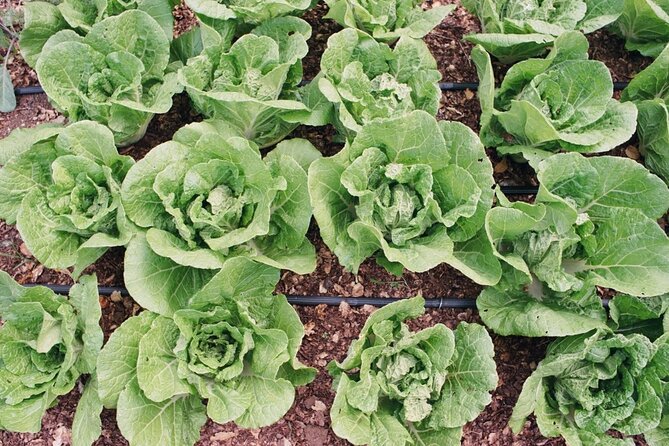
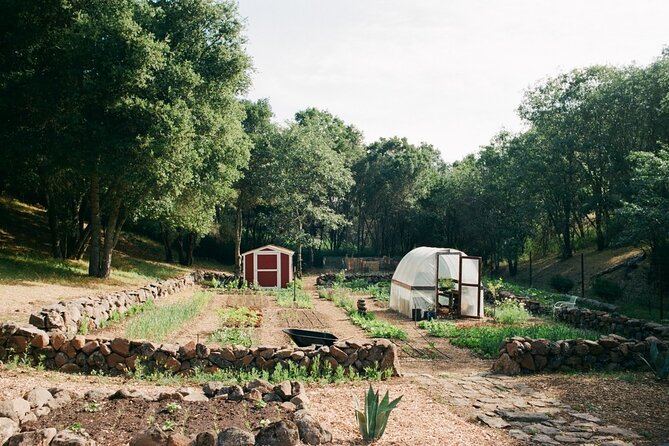
If you’re tired of doing the same loop—tasting rooms, crowds, a playlist that never changes—this workshop is a refreshing pivot. Instead of pouring wine, you’ll step into a working market garden above Napa Valley and learn how a local farmer thinks about growing food with the land, not against it.
It runs about 1 hour 30 minutes, and it’s offered in English. It’s also private, meaning only your group participates, so you can ask questions without worrying about slowing down a larger crowd. You start at Soda Canyon Road, California 94558, with a 10:00 am start time, and the activity ends back at the meeting point.
One detail to plan for: the exact farm location is treated as sensitive. You’ll need to contact the host before booking to get the location information. It’s a small extra step, but it helps keep the setting protected and focused on the workshop itself.
Regenerative No-Till: The Philosophy You’ll Use at Home
The workshop is centered on regenerative no-till farming practices. In plain language, the goal is to help plants grow in a healthier way by working with the natural system—soil life, moisture, timing—rather than relying on constant soil disruption.
During the day, you’ll be taught how regenerative approaches support healthier plants. That might sound like a big idea, but the workshop keeps it grounded in what you can do in a home garden: how to think about soil, what “healthy” means in practical terms, and how to make decisions based on what the garden is doing right now.
This matters because most gardening problems aren’t random. They usually trace back to a few root causes you can address: soil condition, seedling timing, plant selection for your conditions, and harvest methods that don’t wreck what comes next. This workshop is built to help you connect those dots.
The Tasting Walk Through the Market Garden (and the Seasonality Lesson)
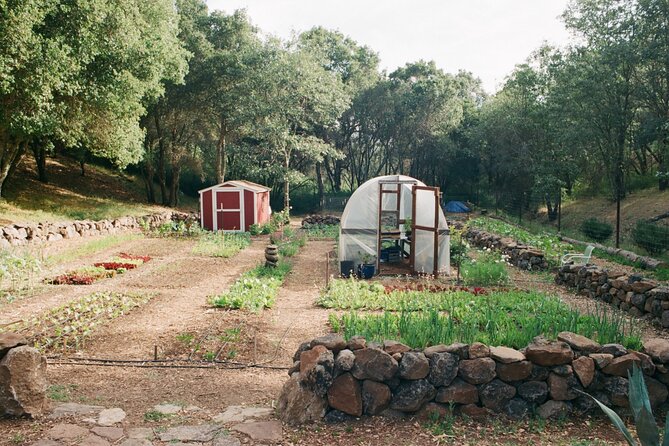
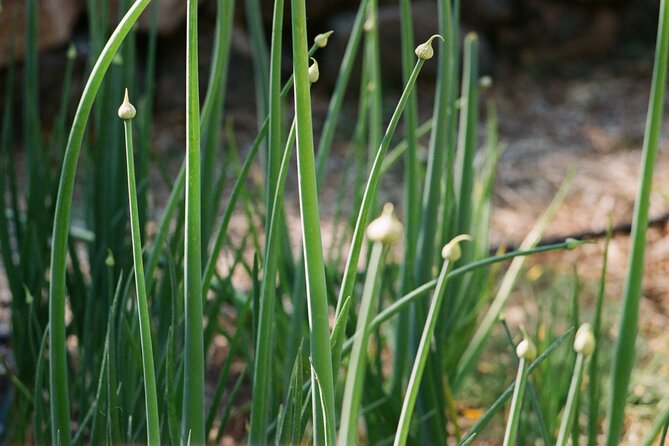
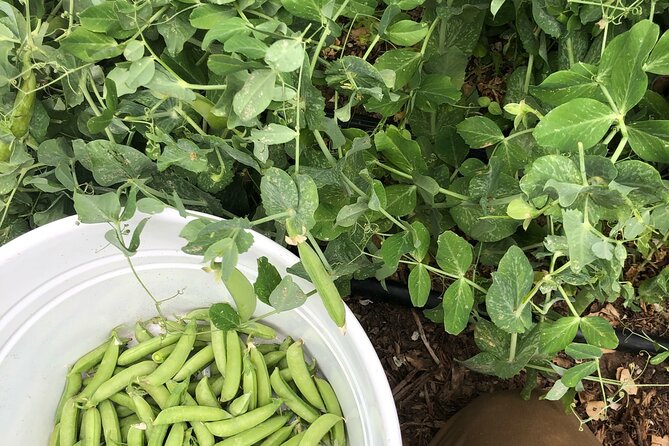
The day begins with a tasting tour through the market garden. Instead of just walking past plants, you’ll observe what’s currently growing and discuss why those varieties are in production right now.
This is where you’ll learn a few core ideas that can change how you plan your garden:
- Seasonality isn’t optional. It affects what you can grow well and when you should start.
- Timing matters for both planting and harvesting, not just for yield but for plant health.
- Vegetable selection is a decision, not a guess. Choosing what fits the season and your local conditions is the difference between steady progress and constant frustration.
You’ll also talk about how to find your place in the ecosystem—an approach that frames gardening as a system. That means you’re not only thinking about a single plant. You’re thinking about soil, weather patterns, and how each task fits into the life cycle of the garden.
And yes, you sample seasonal produce during this walk. You’ll come away with flavors tied to actual growing decisions, which is the kind of connection that makes gardening advice stick.
Hands-On Farming Time: Soil, Seedlings, Bed Building, Harvest
After the tasting tour, you get your hands into real garden tasks. The workshop is designed to be active, with guided participation as you learn seasonally appropriate work.
The key areas covered include:
- Building soil
- Planting seedlings
- Forming new garden bed structures
- Proper harvesting techniques
Here’s why this section is so valuable: it turns abstract “regenerative farming” into physical understanding. When you build soil, you see how the garden’s base affects everything above it. When you plant seedlings, you can connect spacing and timing to what the plants need. When you form new beds, you learn how the garden’s layout supports future growth. And when you harvest properly, you learn to take from the plant without damaging the next stages of production.
You’ll also be part of the activity, not just watching. That makes the workshop feel more like a shared morning on a working farm than a lecture you’ll forget later.
Aprons and shakers, more hands-on nights
The Best Part: A Q&A That Gets Specific to Your Microclimate
A major strength of this workshop is the time set aside at the end for questions. You’re encouraged to hash out specifics related to your growing location and your microclimate.
That’s a big deal because Napa Valley’s growing conditions don’t magically match every backyard. Even two nearby gardens can act very differently based on sun exposure, wind, soil variation, and local moisture. Getting advice framed around your conditions is how you avoid generic recommendations that don’t translate.
Patrick is particularly strong at answering questions in a way that feels like problem-solving. In other words, instead of stopping at broad tips, you can push toward practical next steps for your own situation. If you like gardening details, this is the part where your questions start to feel less like trivia and more like a plan.
What You’ll Taste: Seasonal Produce Samples and Seasonal Sweets
One thing I appreciate about this workshop is that the tasting is part of the learning—not an afterthought. You start by sampling seasonal fruits and vegetables as you tour the independent farm. That gives you a real reference point for the discussions about varieties, seasonality, and timing.
At the end, there’s also a dessert component: seasonal sweets. It’s a simple finish, but it reinforces the same theme: the farm is producing based on what the season allows, and your food choices come from that reality.
You shouldn’t expect a full wine-country food experience with a long list of courses. Instead, it’s a focused, farm-based tasting tied directly to what you learned and saw.
The Drive Up Matters: A Different Side of Napa and Sonoma
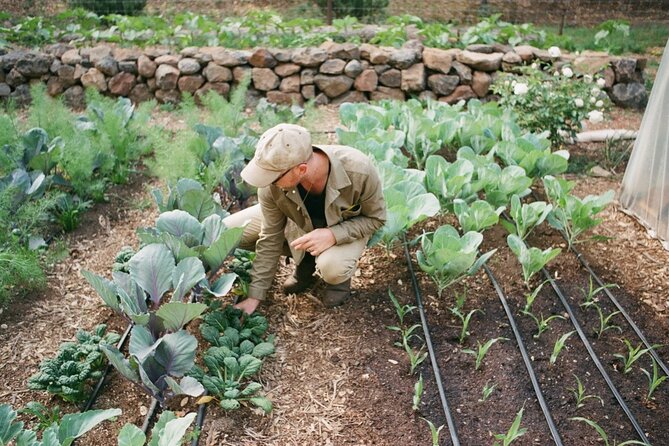
The meeting point on Soda Canyon Road is your starting line, and you’ll be going up into the mountains above Napa Valley. This isn’t just a route between attractions—it’s part of the experience.
In practice, you’ll feel like you’ve left the usual visitor track. The farm area is somewhere many people never get to see, which makes the workshop feel like more than a class. It’s a look at how agriculture actually fits into the region beyond tasting rooms and cellars.
That drive also helps set the tone for the day. The air feels different up there, and the slower pace works with the workshop’s hands-on style.
Who Should Book This Workshop (and Who Might Want Another Option)
This is a strong fit if you want:
- an alternative to a wine tour
- a hands-on approach to learning gardening and soil thinking
- regenerative no-till concepts explained in practical, non-fluffy ways
- advice you can apply to your own microclimate
It’s also ideal if you genuinely enjoy gardening questions. Patrick seems especially good at helping people connect their interests to actionable steps, which makes the experience better if you come with curiosity rather than just a casual interest.
You might prefer something else if you’re mainly looking for a quick scenic stop with minimal active participation. This workshop includes tasks like planting and harvesting, so it’s built for people who are okay getting a little involved.
Practical Tips So You Get the Most From Your 10:00 am Workshop
Plan ahead to make the morning smooth. You’ll want to handle a couple of practical items before you go.
First, since the farm location is sensitive, contact the host prior to booking to confirm the details you need. Then show up at Soda Canyon Road with enough time to park and settle before the 10:00 am start.
Second, because the workshop involves garden tasks like planting seedlings and harvesting, wear clothes you won’t mind getting a bit messy. Closed-toe shoes are a smart idea for any farm setting, even if the day stays relaxed.
Third, come prepared with questions about your own setup. The best answers come when you can describe your growing location and what your garden conditions feel like. If you’re not sure what to ask, start with simple topics: what you’re trying to grow, when you usually plant, and what problems you run into.
Finally, keep weather in mind. The experience requires good weather, and if conditions aren’t right, you’ll be offered a different date or a full refund.
Value Check: Why This Feels Like More Than a One-Off Activity
This workshop has a different kind of value than many Napa Valley experiences. You’re not just buying time in a pretty place. You’re leaving with a method of thinking—how to plan based on seasonality, how to approach soil, and how to choose actions that support the ecosystem.
The private format helps too. When you can ask questions directly and get specific guidance, you walk away with clearer next steps. That’s especially useful if you’re trying regenerative practices or no-till strategies at home, because the biggest hurdle is figuring out what to do first.
And because the experience includes tastings tied to what’s growing now, the advice doesn’t stay theoretical. You connect the plants in front of you to the produce you sample and to the techniques you practice.
Should You Book Stepping Stone Farm’s Private Workshop?
If you want a Napa Valley morning that feels local, practical, and genuinely different from wine tasting, this is a great choice. It’s ideal for gardeners, food lovers who care about how things are grown, and anyone who wants regenerative no-till concepts explained through real tasks.
Book it if you’re ready to ask questions about your garden and you don’t mind a working-farm vibe. Skip it if you want a purely passive experience or if you need a super-easy schedule with no location coordination.
One last nudge: if you’re serious about growing your own produce, this workshop is the kind of day that gives you a starting point you can actually use.
FAQ
Where is the meeting point for the workshop?
The workshop meets at Soda Canyon Road, California 94558, USA, and it ends back at the same meeting point.
How long is the Private Farm Workshop in Napa Valley?
The duration is about 1 hour 30 minutes.
Is this tour private or shared?
It’s a private tour/activity. Only your group participates.
What language is the workshop offered in?
The workshop is offered in English.
Do I need to contact the host before booking?
Yes. The activity asks you to contact the host prior to booking to discuss sensitive location information.
What will I do during the workshop besides touring?
You’ll take part in hands-on regenerative market garden activities such as soil building, planting seedlings, forming new garden beds, and proper harvesting.
Will there be any food to sample?
Yes. You’ll sample seasonal fruits and vegetables during the tasting tour, and there’s dessert listed as seasonal sweets.
What should I do if the weather is poor?
The experience requires good weather. If it’s canceled due to poor weather, you’ll be offered a different date or a full refund.
Is the experience refundable if I change my mind?
This experience is non-refundable and cannot be changed for any reason. If you cancel or request an amendment, the amount paid is not refunded.
Are service animals allowed?
Yes, service animals are allowed.
More Tour Reviews in Napa and Sonoma
- Napa Valley Small Group Winery Tour★ 5.0 · 1,009 reviews
- Sonoma Valley Open Air Wine Trolley Tour★ 4.5 · 782 reviews
- Napa Valley Wine Trolley Classic Tour★ 4.5 · 701 reviews
- Hot Air Balloon Rides in Napa Valley★ 4.5 · 592 reviews
- Napa Valley Daily Join In Group Wineries Tour Including Lunch★ 4.5 · 476 reviews
- #1 Sonoma Walking Food, Wine Tasting & History Tour (Public Tour)★ 5.0 · 457 reviews
Hands On: Cooking and Cocktails
- Blend Your Own Bottle Of Wine★ 5.0 · 17 reviews
More Days in Wine Country
- Napa Valley Small Group Winery Tour★ 5.0 · 1,009 reviews
- Sonoma Valley Open Air Wine Trolley Tour★ 4.5 · 782 reviews
- Napa Valley Wine Trolley Classic Tour★ 4.5 · 701 reviews
- Hot Air Balloon Rides in Napa Valley★ 4.5 · 592 reviews
- Napa Valley Daily Join In Group Wineries Tour Including Lunch★ 4.5 · 476 reviews
- #1 Sonoma Walking Food, Wine Tasting & History Tour (Public Tour)★ 5.0 · 457 reviews
Just Reviewed: Fresh Napa and Sonoma Tours
- Sonoma Trike and Mindfulness – 3 hour guided tour
★ 5.0 · 3 reviews - Napa Valley Mountainside Small Group Winery Tour
★ 5.0 · 3 reviews - Napa – Sonoma Limo up to 9 passengers
★ 5.0 · 3 reviews - Affordable and Flexible Napa Wine Tour
★ 5.0 · 3 reviews - Private Chauffeured Winery Tour
★ 4.0 · 4 reviews - Napa Puzzling Adventure
★ 4.5 · 4 reviews
Napa & Sonoma Wine Tours, compared.
 ★ 4.5Napa and Sonoma Wine Country Full-Day Tour from San FranciscoFrom $1654,455 reviews
 ★ 4.5San Francisco Super Saver: Muir Woods & Wine Country w/ optional Gourmet LunchFrom $1793,352 reviews
 ★ 5.0Small-Group Wine Country Tour from San Francisco with TastingsFrom $1791,543 reviews
 ★ 4.7Muir Woods, Napa & Sonoma Valley Wine TourFrom $1661,205 reviews
 ★ 5.0Napa Valley Small Group Winery TourFrom $1511,009 reviews
 ★ 4.5Sonoma Valley Open Air Wine Trolley TourFrom $135782 reviews
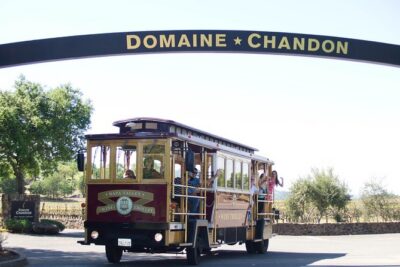 ★ 4.5Napa Valley Wine Trolley Classic TourFrom $135701 reviews
 ★ 5.0Small Group: Ultimate Napa & Sonoma Wine Tour from San FranciscoFrom $179678 reviews
Browse the lists this tour appears in