Reviewed · SAN FRANCISCO CHINATOWN TOURS
San Francisco Chinatown Food and Culture Tour
Chinatown history tastes better on foot. I like the unhurried pace and the way dim sum is included (not just a snack). One possible drawback: this is built for taste-and-stroll, so it is not the kind of tour where you settle in for a long, full meal.
You start at Woh Hei Yuen Park, where you may catch people practicing traditional Chinese music and movement. Then the route threads through neighborhood landmarks that connect immigration, politics, and everyday food into one easy walking loop—about two hours, with a maximum group size of 15.
The tour ends in an unexpected spot: Transamerica Redwood Park, tucked in the shadow of downtown office towers. If you have dietary needs, good news—your guide can offer vegan dumplings at the dim sum stop if you tell them in advance.
In This Review
- Key things to know before you go
- Getting your bearings in Chinatown, start to finish
- Woh Hei Yuen Park: the tour’s calm opening
- Gum Moon Residence Hall and the role of Christian missionaries
- AA Bakery & Cafe: the best kind of starter meal
- Chinatown-Rose Pak Station and the power of political voice
- Painted balconies, the oldest temple, and the 1906 rebuilding
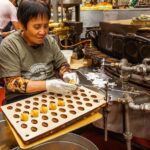
- Ross Alley fortune cookies and alley-lore that turns the mood
- Grant Avenue architecture: what those bold colors are telling you
- House of Dim Sum: the included meal that makes the price feel fair
- Ending at Transamerica Redwood Park: a calm reset after the streets
- Is the $49 price a good deal?
- Who this Chinatown food and culture tour suits best
- Should you book this Chinatown food and culture tour?
- FAQ
- Is the Chinatown food and culture tour 2 hours long?
- What food is included in the price?
- Are vegan dumplings available?
- Where does the tour start and end?
- How much does it cost and what’s included?
- How big are the groups?
- Can I bring a service animal?
- Can I get a full refund if I cancel?
Key things to know before you go
- A tight two-hour story: architecture, alley lore, and food stops without feeling rushed
- AA Bakery and Cafe treats: buns, egg tarts, sesame balls, and other classic Chinatown baked goods
- Rose Pak stop: politics and community influence tied to Chinatown’s growth and transit changes
- Ross Alley fortune cookie factory: candy-factory history with a darker alley-side chapter
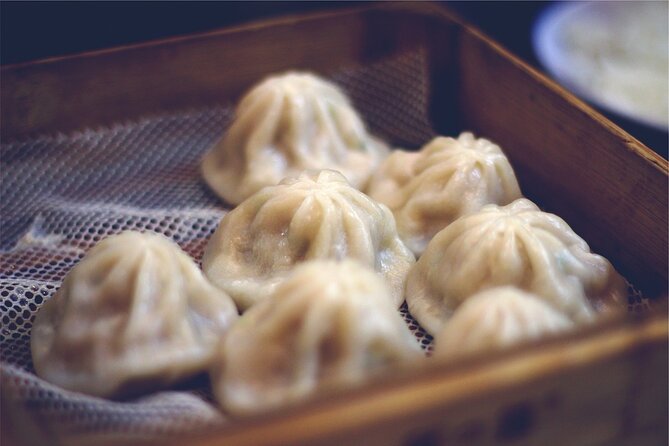
- Dim sum included: steamed, baked, and fried dumplings, with a vegan option
- Redwoods at the finish: you walk from Chinatown streets to a calm grove of trees near Transamerica
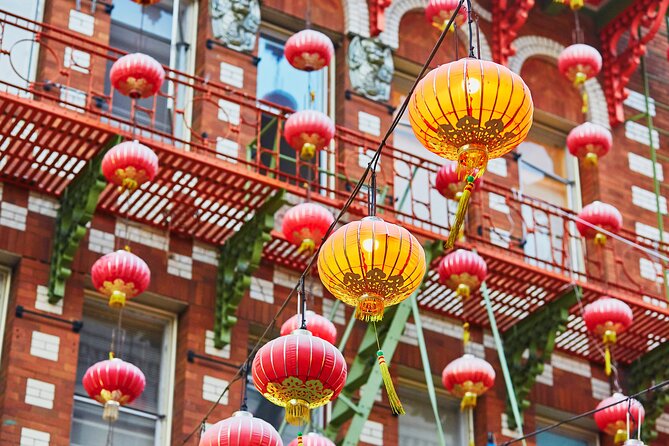
More lanterns, tea and dumplings in Chinatown

Getting your bearings in Chinatown, start to finish
This is a walking and tasting tour, not a bus ride. The upside is simple: you see the streets the way people actually move through them, between shopfronts, doorways, and small public spaces. The whole experience runs about 2 hours, which makes it a great fit for a lunch window or an earlier afternoon plan.
You’ll meet at Woh Hei Yuen Park in San Francisco’s Chinatown. From there, the tour follows a route that leans into the neighborhood’s visual identity—painted balconies, old temples, colorful storefronts, and tight alleys. It ends at Transamerica Redwood Park at 600 Montgomery St, so you get a built-in “change of scene” as the city gets louder and the trees start to soften the mood.
For many people, this timing is ideal. You get enough food to feel satisfied, and enough history to understand why Chinatown’s buildings and institutions look the way they do. The one tradeoff is that you’re sampling, not feasting. Plan for the dumplings to be your main meal moment, and treat the other bites as supporting characters.
Woh Hei Yuen Park: the tour’s calm opening
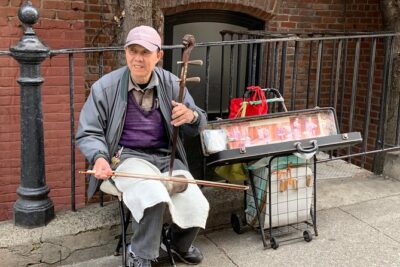
The tour begins at Woh Hei Yuen Park, a small but photogenic park and playground area. It also has that community vibe you want in Chinatown: you might see people dancing to traditional Chinese music. Even if you do not catch a performance, the setting gives you something useful—context.
It helps to start with a place like this because Chinatown is not only about sightseeing. It is a neighborhood where people meet, practice culture, and keep traditions alive in everyday ways. That park start sets a tone that lasts through the tour: you are looking at buildings and stories, yes, but you’re also watching life happen.
The stop is short—about 5 minutes—so don’t expect a full cultural performance. Think of it as a palate cleanser and a “here’s what to look for” intro.
Gum Moon Residence Hall and the role of Christian missionaries
Next up is the Gum Moon Residence Hall stop. This is where the tour connects Chinatown’s community history with the work of Christian missionaries—advocating, educating, and at times sheltering members of the neighborhood.
This part matters because it explains why institutions in Chinatown are not all the same type. Some are tied to family life, others to commerce, and some to social services offered during tough times. The tour’s framing helps you understand that Chinatown’s story was shaped by both internal community strength and external influences—including people and organizations that were trying to help, for better and worse, depending on the era and viewpoint.
Again, the stop is brief, around 5 minutes. But it gives you a foundation for the later history beats: gold rush migration, political organizing, and the rebuilding after the 1906 earthquake and fire.
AA Bakery & Cafe: the best kind of starter meal
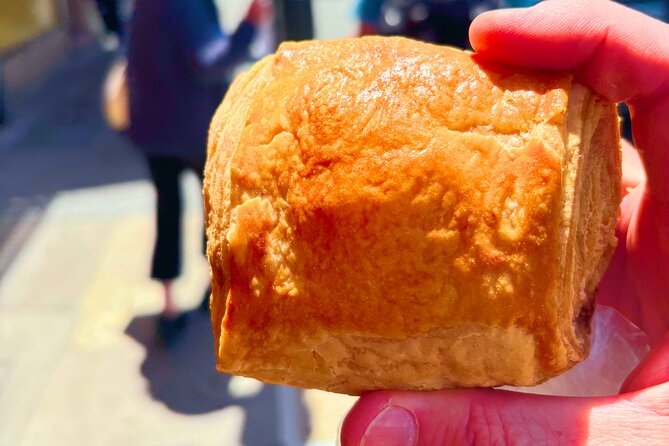
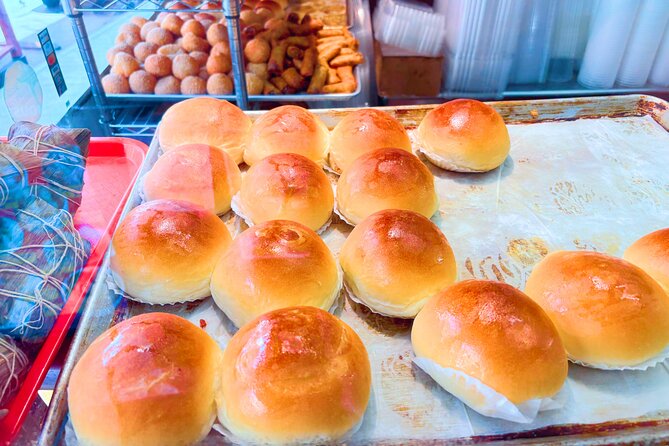
Now you get food. The tour heads to AA Bakery & Cafe for freshly baked treats, typically including buns, egg tarts, and sesame balls. This is the moment where you start moving from “I’m learning” to “I’m tasting.”
Why I like this stop for first-time Chinatown visitors is that it is approachable. You do not need to already know the names or customs to enjoy it. You just eat and notice the differences: crisp edges, warm dough, sweet and savory options that feel like they belong to daily life, not a show.
The timing is about 15 minutes, which is enough to sample without turning into a long wait. If you are sensitive to heat, note that the bakery items can be warm right out of the oven. Grab what sounds best, then let your guide point out what to try.
This is also where it helps to pace yourself. You still have a dim sum meal coming later, and the dumplings are the big included part.
Still hungry? The city plate by plate
Chinatown-Rose Pak Station and the power of political voice
At Chinatown-Rose Pak Station, the tour shifts from food to power. You’ll hear about Rose Pak and how she amplified Chinatown’s political voice, helping get SF’s first Chinese American mayor into office and also connecting the neighborhood with the city’s new subway line.
This is one of those stops that can surprise people. Chinatown gets discussed a lot as a place of culture and cuisine. Here, you learn how policy, representation, and transit changes directly affect daily life—where businesses can grow, how communities are connected, and how neighborhoods get seen by the city.
The stop is short, about 5 minutes, but the point lands. It’s a reminder that history is not only what happened long ago. It is also the ongoing fight for visibility and infrastructure.
Painted balconies, the oldest temple, and the 1906 rebuilding
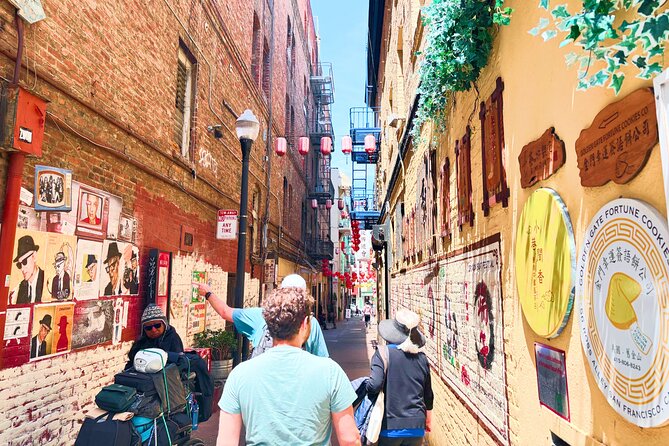
Some of the tour’s most memorable moments happen while walking. You’ll stroll past the street of painted balconies and see what’s described as the oldest Chinese temple in town. Along the way, your guide ties it back to catastrophe and recovery—specifically the devastating earthquake and fire of 1906 and how Chinatown responded afterward.
This segment is valuable because it gives you a lens for the neighborhood’s visual style. The colors and ornamentation are not just decoration. They reflect community identity and resilience, built over time and rebuilt after major loss.
You do not just hear names and dates. You hear how the neighborhood coped, regrouped, and reconstructed itself. If you have ever looked at a city and wondered why certain blocks look the way they do, this is the stop that answers that question in human terms.
Practical tip: expect some walking time here, plus street-level photos. If you want balcony shots, bring your phone out at a comfortable pace and avoid stopping abruptly in tight areas.
Ross Alley fortune cookies and alley-lore that turns the mood
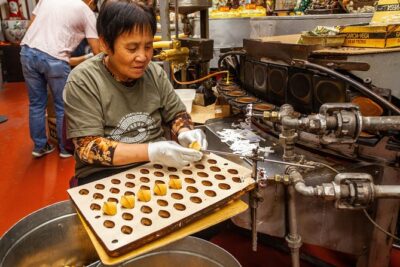
Then comes one of Chinatown’s most famous alleys: Ross Alley. This stop includes a visit to a fortune cookie factory, plus stories about criminal gangs that once prowled the alleyways.
I like the way this balances cute and gritty. Fortune cookies are playful by design. But the alley stories remind you that Chinatown also held conflict and survival challenges, especially during different immigration waves and economic pressures.
You get about 10 minutes here. That is enough to understand the concept and hear the bigger story without rushing. Also, if you’re a photo person, this is a good place for alley shots—narrow space, signage, and the classic Chinatown mood.
If you’re sensitive to darker history topics, it can help to know this stop includes references to gangs. The tour treats it as context, not shock value.
Grant Avenue architecture: what those bold colors are telling you
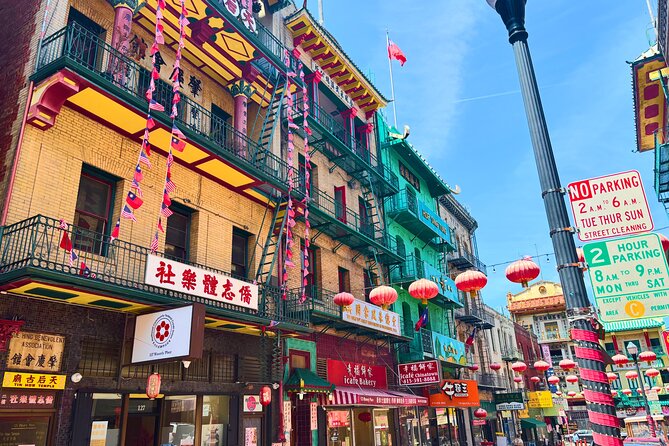
The next stretch goes along Grant Avenue, where you’ll walk past striking buildings and learn the story behind Chinatown’s bold, colorful architecture.
This stop is short—about 5 minutes—but it adds an important layer. You start to see how architecture, commerce, and cultural expression braid together. In Chinatown, storefronts and facades often act like billboards for identity: who is here, what businesses thrive, and how communities want to be recognized.
If you only treated this neighborhood as a food stop, you’d miss half the point. This is your architectural primer in compact form.
My advice: look up and notice the details. Even if you are not an architecture nerd, the colors and design choices will make more sense after your guide explains why they appeared where they did.
House of Dim Sum: the included meal that makes the price feel fair
Now you reach House of Dim Sum, where the tour includes dumplings. You’ll enjoy a variety of steamed, baked, and fried dumplings at about 15 minutes.
This is the real anchor of the tour. At $49, it is the included food that makes the math work, especially if you would otherwise order dim sum on your own. The format also helps you try more than one kind. Instead of picking one item and calling it done, you get several dumpling styles in one go.
A practical bonus: the restaurant can offer vegan dumplings if you tell the guide you want that option. That is a big deal on food tours, because vegan choices can otherwise be limited or last-minute.
One more thing: dim sum can be filling, fast. If you skipped breakfast, plan to use this stop as your main energy refill. If you already ate earlier, consider taking smaller bites at the dumpling start so you can taste the range.
Ending at Transamerica Redwood Park: a calm reset after the streets
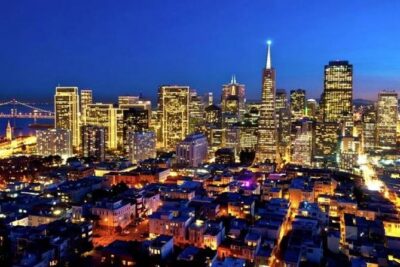
The tour finishes at Transamerica Redwood Park. It lasts about 30 minutes, and it’s a smart way to end. You go from dense streets to a grove of redwoods, in the shadow of SF’s most famous office building.
This stop is quiet on purpose. It gives you time to catch your breath, take photos without hustle, and review what you learned while the walk is still fresh in your mind. It also works as a navigation reset: once you exit the park area, it’s easier to plan your next move toward downtown.
It’s a neat trick of the city—nature and finance standing side by side. If you want a tour that doesn’t just drop you back on a sidewalk and call it done, this ending helps.
Is the $49 price a good deal?
At $49 per person for about two hours, this tour feels like fair value because the included meal is not an afterthought. The itinerary builds from small tastings to a real included dumpling spread, and it comes with an expert local guide who tells the stories behind the landmarks.
You should also think in terms of what you’d pay if you pieced it together yourself. Pastries from a popular Chinatown bakery can add up quickly. Dim sum, even as a smaller order, can easily cost as much or more than the tour price depending on what you pick. Add the guide’s storytelling, and the tour becomes less about the food cost and more about the context you get while you’re eating.
Plan to budget a little extra if you want more snacks beyond what’s included. The suggestion is around $20 for additional purchases at other stops. If you do that, you’ll still likely come out ahead compared to buying everything à la carte with no guidance.
Who this Chinatown food and culture tour suits best
I’d point you to this tour if you want a 2-hour introduction to San Francisco Chinatown that covers both the plate and the neighborhood. It’s a good match for first-timers who feel overwhelmed by all the sights and want a guided route that makes sense.
It also works well if you prefer small groups. With a maximum of 15 people, the experience doesn’t feel like a conveyor belt. The tour is also described as not rushed in a positive way, which matters in a place where the streets can feel crowded.
Bring it into your plans if you care about connections between community, politics, and how neighborhoods rebuild. The Rose Pak stop and the 1906 story are not just facts. They help you read Chinatown with a more informed eye.
Should you book this Chinatown food and culture tour?
If you want a practical, story-led way to experience Chinatown’s food scene and key landmarks in two hours, I’d book it. The best reason is simple: you get a real included dumpling meal plus multiple classic bites, all tied to neighborhood context like the painted balconies, Ross Alley fortune cookies, and the 1906 rebuilding story.
Skip it if you’re the type who wants a long sit-down meal, or if you already know the neighborhood deeply and just want more time shopping and wandering on your own.
FAQ
Is the Chinatown food and culture tour 2 hours long?
Yes. The tour runs about 2 hours (approx.).
What food is included in the price?
The tour includes fresh pastries at the bakery stop and an included dim sum spread at House of Dim Sum. The tour also includes a variety of steamed, baked, and fried dumplings.
Are vegan dumplings available?
Yes. The dim sum restaurant can offer vegan dumplings. Let your guide know you prefer this option.
Where does the tour start and end?
It starts at Woh Hei Yuen Park in San Francisco, CA 94133, and ends at Transamerica Redwood Park at 600 Montgomery St, San Francisco, CA 94111.
How much does it cost and what’s included?
The price is $49.00 per person. Your tour includes the walking experience and the included dim sum dumplings. Additional food purchases at other stops are not included.
How big are the groups?
The tour has a maximum of 15 travelers.
Can I bring a service animal?
Yes. Service animals are allowed.
Can I get a full refund if I cancel?
Yes. You can cancel up to 24 hours in advance for a full refund.
More Tour Reviews in San Francisco
- Muir Woods and Sausalito (Return by Bus or Ferry)★ 4.5 · 5,098 reviews
- Big Bus SF: Hop-on Hop-off Tour with 17 Stops and Sunset Option★ 4.0 · 4,539 reviews
- Napa and Sonoma Wine Country Full-Day Tour from San Francisco★ 4.5 · 4,455 reviews
- Small Group Yosemite and Giant Sequoias Day Trip from San Francisco★ 5.0 · 3,671 reviews
- San Francisco: Golden Gate Bay Cruise★ 4.7 · 3,644 reviews
- San Francisco: Hop-On Hop-Off Sightseeing Tour with 17 Stops★ 4.5 · 3,600 reviews
Eat San Francisco: More Food Walks
- San Francisco Authentic Food Tour with 5 Locals Favorites Dishes★ 5.0 · 852 reviews
- San Francisco: Chinatown Culinary Walking Tour★ 4.8 · 265 reviews
- San Francisco: North Beach and Little Italy Food Tour★ 4.8 · 188 reviews
- Mission District Food Tour: Appetizers, Entrée and Dessert★ 5.0 · 182 reviews
- Exclusive North Beach Food Tour in San Francisco★ 5.0 · 162 reviews
- SF’s Chinatown: Tea & Dim Sum Food Tour – Includes full meal, 3hr★ 5.0 · 153 reviews
More Hours in Chinatown
- Chinatown & North BeachLittle Italy: 7 Tastings & History★ 5.0 · 1,070 reviews
- Ghost Hunt in SF Chinatown with a Professional Investigator★ 5.0 · 922 reviews
- San Francisco Chinatown Walking Tour★ 5.0 · 778 reviews
- Chinatown Walking Tour: Food, History & Flavor★ 5.0 · 575 reviews
- San Francisco: Chinatown Culinary Walking Tour★ 4.8 · 265 reviews
- SF’s Chinatown: Tea & Dim Sum Food Tour – Includes full meal, 3hr★ 5.0 · 153 reviews
Just Reviewed: Fresh San Francisco Tours
- Private San Francisco City Tour + Alcatraz (Tickets Incl., Max 6)
★ 5.0 · 3 reviews - San Francisco: North Beach Food and History Walking Tour
★ 5.0 · 3 reviews - San Francisco Bay Cruise and City Combo Tour
★ 3.5 · 3 reviews - San Francisco City Half-Day Private Custom Tour
★ 5.0 · 3 reviews - San Francisco: Muir Woods, Point Reyes, and Meadery Tour
★ 4.2 · 3 reviews - Private Muir Woods and Sausalito Half Day Tour
★ 5.0 · 3 reviews
San Francisco Chinatown Tours, compared.
 ★ 5.0Chinatown & North BeachLittle Italy: 7 Tastings & HistoryFrom $961,070 reviews
 ★ 5.0Ghost Hunt in SF Chinatown with a Professional InvestigatorFrom $55922 reviews
 ★ 5.0San Francisco Chinatown Walking TourFrom $59778 reviews
 ★ 5.0Chinatown Walking Tour: Food, History & FlavorFrom $86575 reviews
 ★ 4.8Chinatown Culinary Walking TourFrom $84265 reviews
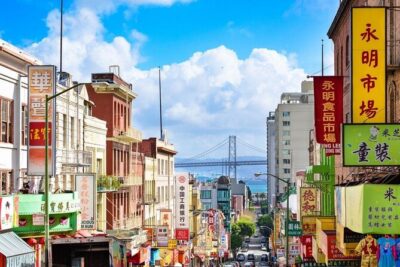 ★ 5.0SF’s Chinatown: Tea & Dim Sum Food Tour – Includes full meal, 3hrFrom $99153 reviews
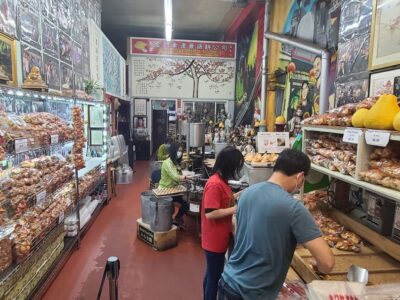 ★ 4.8Food Walking Tour of Chinatown & North BeachFrom $94148 reviews
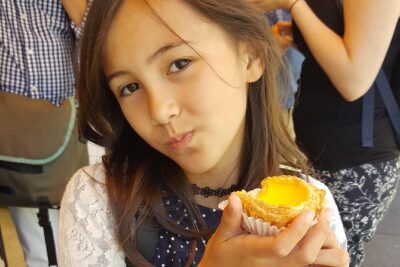 ★ 5.0San Francisco Chinatown Food TourFrom $99138 reviews
Browse the lists this tour appears in