Reviewed · SAN FRANCISCO CHINATOWN TOURS
San Francisco: Chinatown Food and History Walking Tour
Chinatown changes fast, and this walk keeps up. This San Francisco Chinatown food and history tour is interesting because it pairs famous landmarks with a few practical local stops where the stories make the snacks make sense. I love how the route starts at Dragon’s Gate and then moves through real neighborhood spaces like Stockton Street markets, not just photo ops. I also like the food flow: you get traditional tastes like Chinese cookies (or pork buns, if available), dim sum, and a fortune cookie factory finish.
One thing to consider: it’s 150 minutes of mostly walking on neighborhood streets, so you’ll want comfy shoes and a plan for hungry timing—because the tastings are spread through the route rather than all at once. Also, cookies vs. pork buns depend on availability, so go with a flexible appetite.
In This Review
- Key things to know before you go
- Starting at Dragon’s Gate: where your Chinatown story begins
- Stockton Street: pagoda-style architecture and food-market energy
- Old Saint Mary’s Cathedral: faith and the neighborhood’s turning points
- Eastern Bakery: cookies, tea, and the real-person tips that make it stick
- Portsmouth Square: the Gold Rush thread you can actually picture
- Delicious Dim Sum: the stop that fills you up without slowing the tour
- Fortune Cookie Factory: why the tiny paper note has weight
- Price and value: is $85 worth 2.5 hours of Chinatown?
- Who this tour is best for
- Should you book: Chinatown food with history that actually connects?
- FAQ
- How long is the Chinatown Food and History Walking Tour?
- How much does the tour cost?
- Where do I meet the tour guide?
- How early should I arrive?
- How big is the group?
- What food is included?
- Is there tea included?
- What language is the tour in, and is there free cancellation?
Key things to know before you go
- Small group (up to 12) means you can ask questions and get better pacing
- Dragon’s Gate meet-up keeps the start simple and easy to find
- Eastern Bakery adds a sweet stop with tea and inside cooking tips
- Portsmouth Square connects Chinatown to the Gold Rush origins of San Francisco
- Delicious Dim Sum is timed for a warm, filling mid-tour break
- Fortune Cookie Factory ends with both technique and history, not just the taste
More lanterns, tea and dumplings in Chinatown

Starting at Dragon’s Gate: where your Chinatown story begins
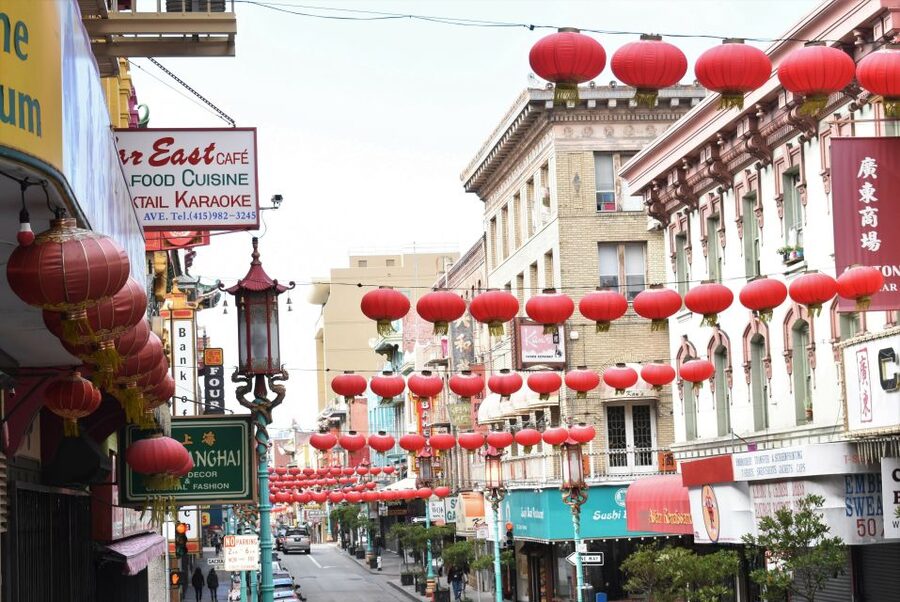
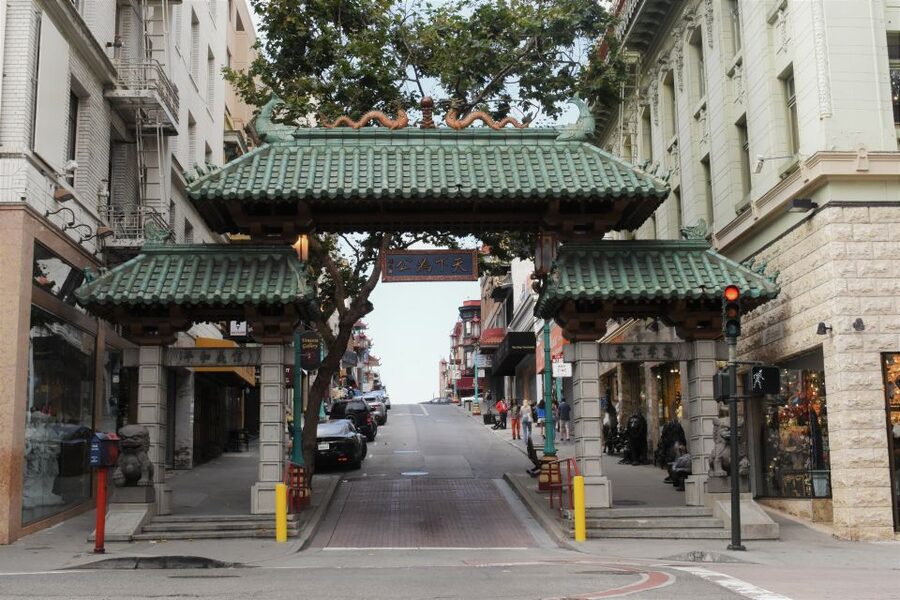
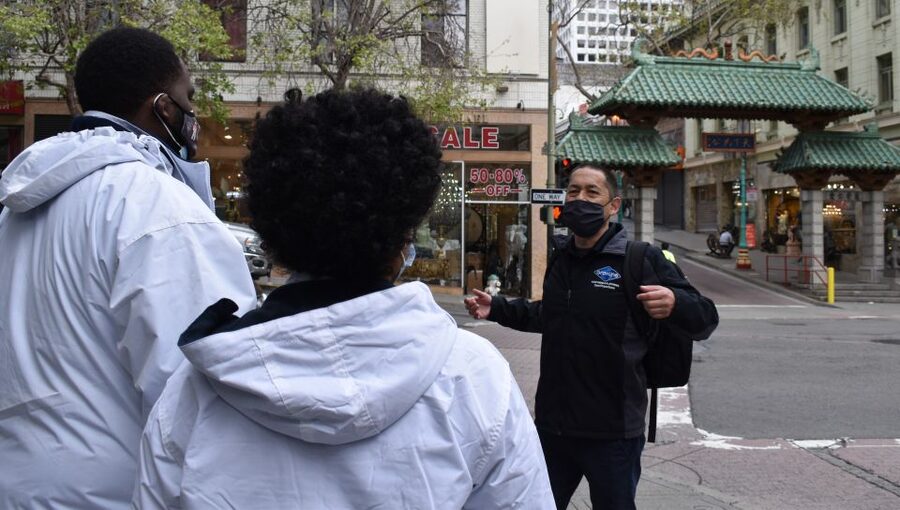
You meet your guide at the entrance to Chinatown: Dragon’s Gate, outside the Starbucks cafe right in front of it. The guide is in a Gray Line San Francisco uniform, and the instruction is to arrive 15 minutes early—this helps the group form up and keeps your start from feeling rushed.
This is a smart way to begin because the area around Dragon’s Gate sets the tone immediately: bright signage, lots of foot traffic, and a mix of old-world design cues and everyday city life. The tour doesn’t treat Chinatown like a museum piece. Instead, you get the idea of how the neighborhood has held onto identity while still evolving with San Francisco.
Also, because the group can be as small as up to 12, you’re not stuck waiting for a crowd every time the guide wants to pause. That matters on a walking tour, where momentum is everything.
If your guide is Joseph, you’re in good hands—his style tends to be friendly and fact-heavy, with a balance of Chinatown-focused detail plus wider San Francisco context so the neighborhood doesn’t feel like a separate planet.
Stockton Street: pagoda-style architecture and food-market energy
After the start, you head down Stockton Street, one of the spine streets that makes Chinatown feel like Chinatown. This part works best when you slow down a little and watch what’s happening around you: shops, busy markets, and food sellers offering items you might not see anywhere else in the city.
The guide’s commentary is the difference between “walking through Chinatown” and actually understanding what you’re seeing. You’ll hear about Chinatown’s culture, its history, and what it looks like today—then you’ll notice details you might have missed on your own, like the pagoda-inspired building designs and the Chinese decorative elements along the streets.
This stop is also a good reminder that the tour is food-centered without being only about eating. The food markets are visual proof of why the neighborhood exists as a destination, not just a sightseeing stop. And since photo stops are part of the experience, you’ll have moments to pull out your camera without holding up the group.
Tip for your planning: if you’re the type who likes to explore on your own after the tour, this is where you get your bearings. You’ll see which storefronts you want to circle back to, especially if a few snack smells keep pulling you off course.
Old Saint Mary’s Cathedral: faith and the neighborhood’s turning points
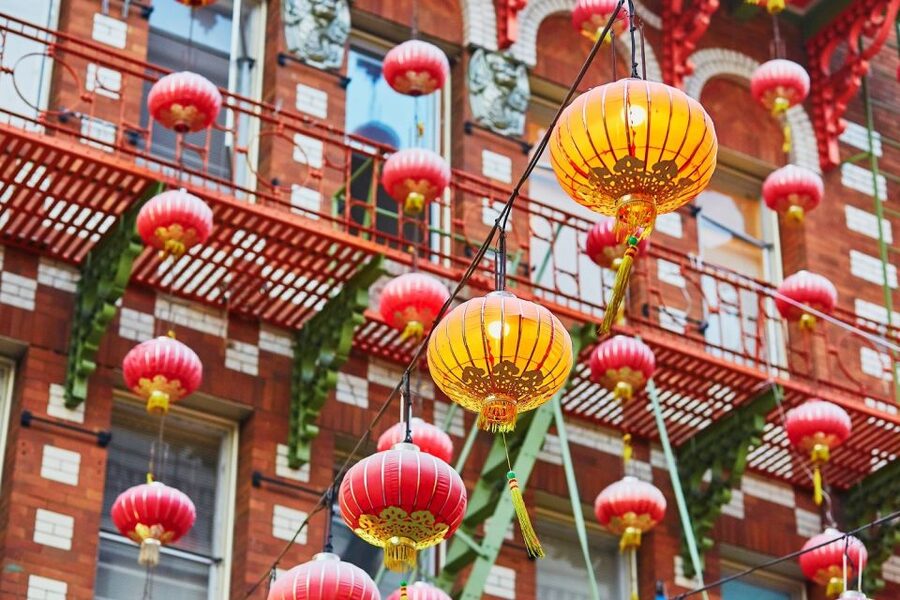
Next comes a quieter but meaningful visit: Old Saint Mary’s Cathedral. This stop shifts the pace from street-level chatter to place-based context.
The tour explains the religious culture and history tied to Chinatown, and that matters because Chinatown’s story is not only about shops and food. It’s also about community institutions and the way people built continuity in a changing city.
Even if you’re not visiting a lot of churches, this stop gives you a useful lens. You start to see Chinatown as a set of community spaces—places where people gathered, where traditions took root, and where identity stayed visible through generations.
Practical note: bring a respectful mindset for this part. It’s an active cultural landmark, so you’ll want to listen, keep your group flow, and avoid long distractions at the edges.
Eastern Bakery: cookies, tea, and the real-person tips that make it stick
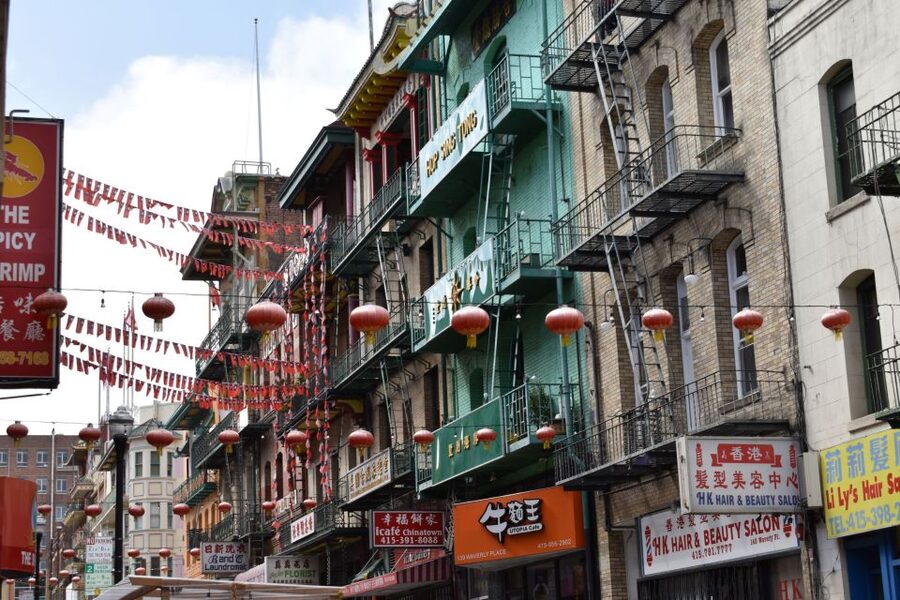
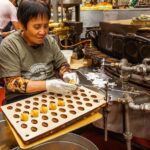
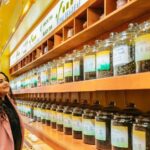
Your sweet stop is at Eastern Bakery, where you can taste traditional Chinese cookies and choose a tea. The tour also highlights that you’ll get inside cooking tips from the bakery owners—this is one of those small details that turns a tasting into a mini lesson.
Why this matters: cookies and pastries in Chinatown are more than “dessert.” They’re tied to everyday life and also to rituals, gifting, and shared moments. When you hear how something is made—how it’s handled, baked, or served—it changes how you think about what you’re tasting.
You may also encounter the tour’s alternate snack option depending on availability—traditional cookies or traditional pork buns. Either way, this stop is designed to give you a different flavor of Chinatown food culture than the later dim sum segment.
I like that the tour gives you choice in the tea part. It’s a small way to keep the experience personal without turning it into complicated decision-making in a busy area.
If you tend to rush through food tours, slow down here. Taste first, then listen. The best part is the connection between what’s on the table and the background your guide provides.
Still hungry? The city plate by plate
Portsmouth Square: the Gold Rush thread you can actually picture
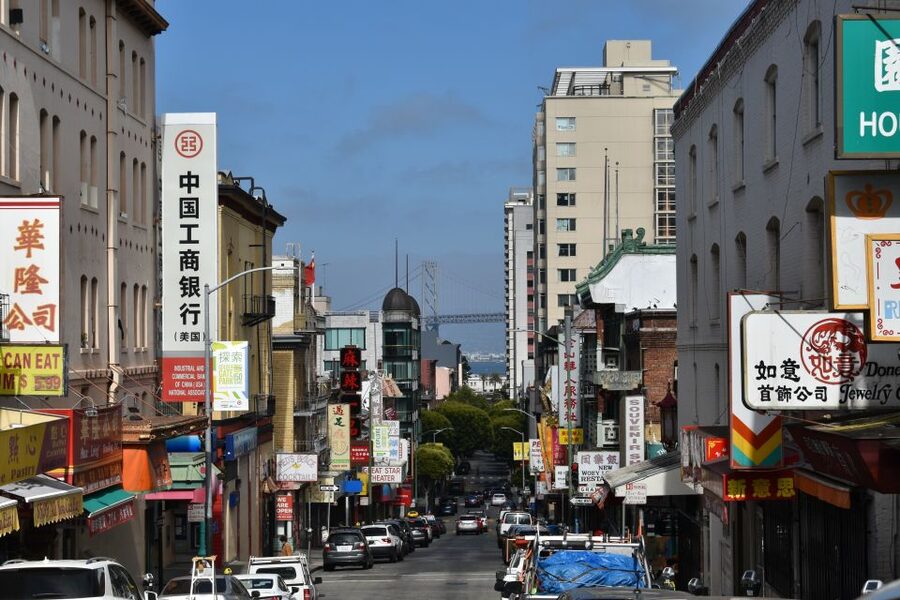
After the bakery, the tour heads to Portsmouth Square. This is where the story widens, connecting Chinatown’s origin to the bigger picture of San Francisco—especially the Gold Rush era and the early foundations of the city.
This stop is useful because it helps you stop thinking of Chinatown as a single neighborhood with a standalone backstory. Instead, it becomes part of a citywide sequence: when people arrived, when commerce grew, and how communities formed.
Portsmouth Square also gives you a change of scenery from storefronts and narrow street corridors. It’s a good place to reset your senses before the richer, warmer food segment coming up next.
If you enjoy history that has names, timelines, and cause-and-effect, this part is where it clicks. The tour doesn’t treat the past like trivia. It ties it to why you’re standing where you are now.
Delicious Dim Sum: the stop that fills you up without slowing the tour
Then comes a highlight for many people: dim sum at Delicious Dim Sum, where you’ll enjoy homemade dim sum. This is the practical midpoint of the route—warm, filling, and built for a walking-day schedule.
Dim sum is one of those foods that can be intimidating if you don’t know what you’re looking at. That’s where having a guide helps. Even if you’ve eaten dim sum before, the tour setting makes it easier to sample thoughtfully rather than panic-ordering the first thing you recognize.
The value here is not just that you get fed. It’s that you taste a key Chinatown food culture while your guide’s history context is still fresh. You’re not separating “history tour” and “food tour.” You’re getting them in the same rhythm.
After dim sum, you’ll be ready for the final stop without feeling stuffed too early. Still, keep in mind the entire tour is 150 minutes, so you’re walking throughout. If you’re sensitive to spicy flavors, you might want to take your cues from what’s served and how the items look and smell before you pick.
Fortune Cookie Factory: why the tiny paper note has weight
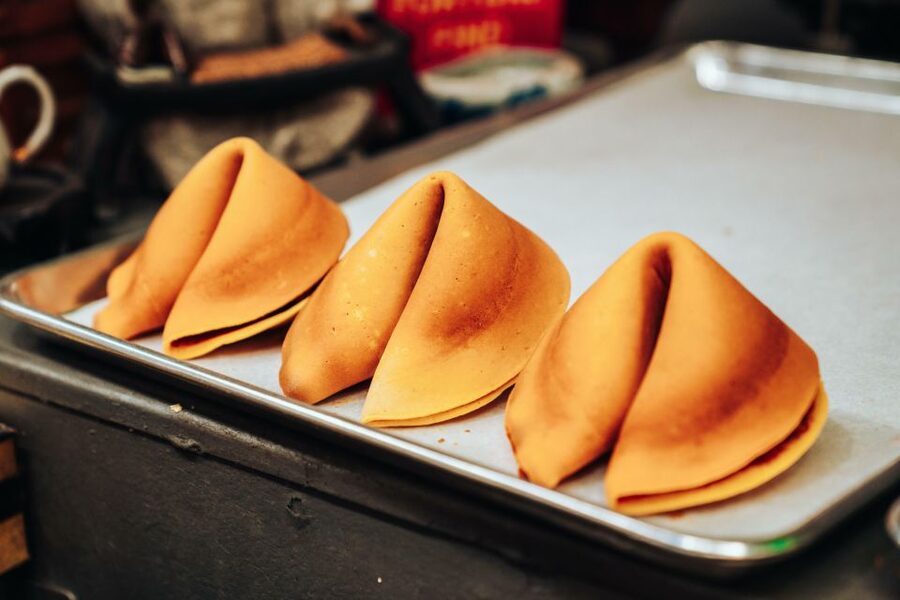
The tour ends at a Fortune Cookie Factory, where you’ll taste a fortune cookie and learn about the cooking techniques used to make them. You’ll also get the historical significance of fortune cookies—how a small dessert became part of a global tradition.
This final stop works because it’s memorable in a hands-on way. You’re not just eating another snack; you’re learning what makes it possible to produce something crisp with a surprise inside. The guide also connects the fortune aspect to the larger story of cultural sharing and adaptation.
And honestly, it’s a fun way to close. After walking through streets, cathedrals, squares, and bakeries, the fortune cookie is light, simple, and oddly satisfying—like a final page that ties the book together.
If you like souvenirs, don’t rush your take-away moment. Pay attention to the technique talk first, then enjoy the cookie without multitasking. It makes the ending feel intentional rather than random.
Price and value: is $85 worth 2.5 hours of Chinatown?
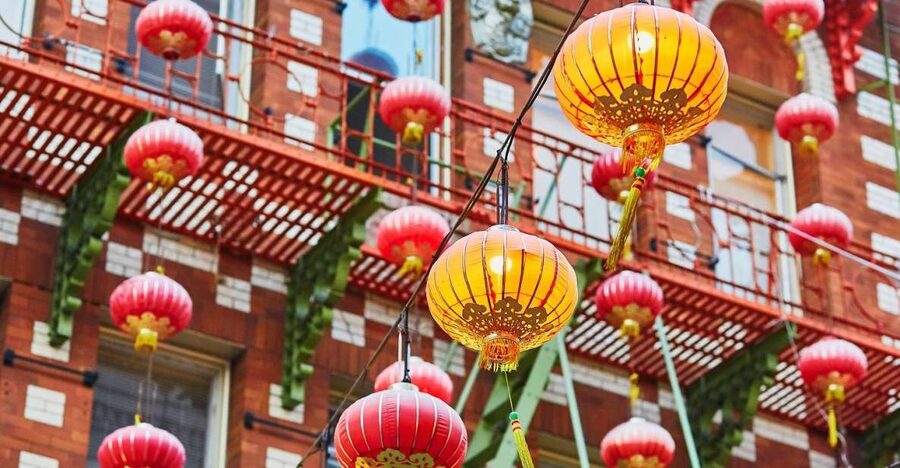
At $85 per person for 150 minutes, this tour sits in the “worth it if you like guided food moments” category.
Here’s why it can feel like good value:
- You’re not paying just for walking. The tour includes dim sum and a fortune cookie, plus traditional Chinese cookies or pork buns (subject to availability), and tea.
- You get a professional local guide, plus photo stops that save you from guessing where to pause.
- You’re in a small group (up to 12), which tends to make questions easier and the pacing smoother than a big-bus style tour.
Where the value equation depends on you: if you’re the type who loves food but doesn’t care much about history commentary, you might get less out of the cathedral and Portsmouth Square portions. If you’re the type who wants context with your snacks, this tour is built for you.
Also, this tour has a strong rating—around 4.9 out of reviews—so the “guide + food + story” combo seems to land well for most people.
Who this tour is best for
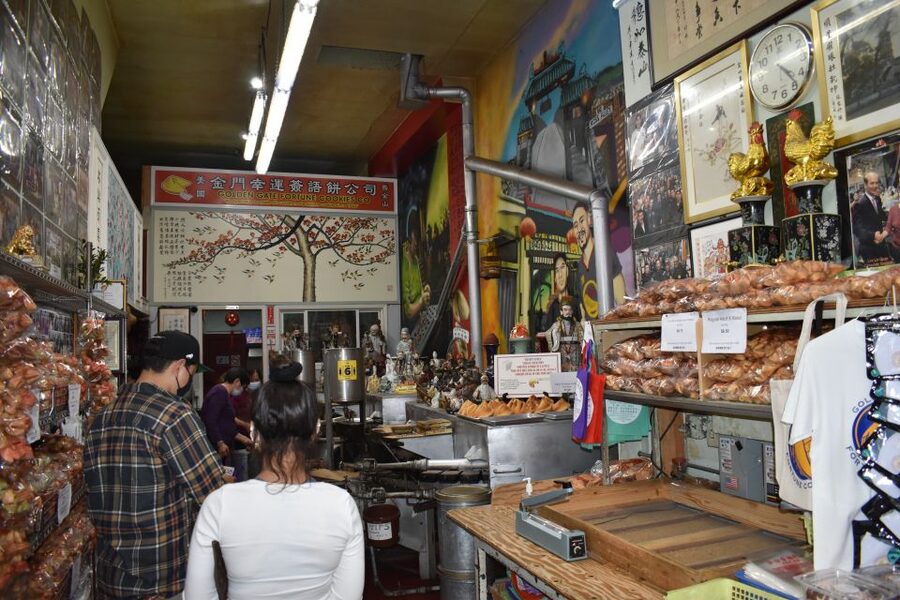
This fits well if you:
- want a guided walk that covers both famous sights and less-obvious local streets
- like your food tours with explanation, not just sampling
- prefer small-group pacing and conversation
- want a Chinatown intro that doesn’t feel like you’re guessing where to go next
It’s also family-friendly in tone, and the guide style described for this tour tends to be friendly and upbeat while still getting serious about facts when needed. If you enjoy being taken off the usual tourist track, that’s a plus here too.
One more practical thought: if you tend to find one restaurant you love on a tour and want more after, this route sets you up well. You’ll pass enough distinct stops that it’s easy to return to the places you liked most once you’re done.
Should you book: Chinatown food with history that actually connects?
I’d book it if you want Chinatown to make sense fast. This tour ties food tastings to landmarks and stories, so each stop feels like part of one connected walk rather than separate checklists.
Skip it only if you don’t want to walk for 2.5 hours, or if you’re strongly anti-guided experiences. The tour is structured, guided, and designed around tastings and commentary—so you’ll get the most from it if you’re open to both.
If you’re planning just one Chinatown activity in San Francisco, this is a solid pick: it covers the core sights, gives you real food, and ends in a way that sticks in your memory.
FAQ
How long is the Chinatown Food and History Walking Tour?
The tour lasts 150 minutes.
How much does the tour cost?
It costs $85 per person.
Where do I meet the tour guide?
You meet in front of the Dragon’s Gate, at the Starbucks cafe located in front of it.
How early should I arrive?
Please arrive 15 minutes before the activity starts.
How big is the group?
It’s a small group with up to 12 people.
What food is included?
The tour includes dim sum at Delicious Dim Sum and a fortune cookie at the Fortune Cookie Factory, plus traditional Chinese cookies or traditional pork buns (subject to availability).
Is there tea included?
Yes, at Eastern Bakery you can taste traditional Chinese cookies and tea of your choice.
What language is the tour in, and is there free cancellation?
The tour is in English with a live tour guide. You can cancel up to 24 hours in advance for a full refund.
More Tour Reviews in San Francisco
- Muir Woods and Sausalito (Return by Bus or Ferry)★ 4.5 · 5,098 reviews
- Big Bus SF: Hop-on Hop-off Tour with 17 Stops and Sunset Option★ 4.0 · 4,539 reviews
- Napa and Sonoma Wine Country Full-Day Tour from San Francisco★ 4.5 · 4,455 reviews
- Small Group Yosemite and Giant Sequoias Day Trip from San Francisco★ 5.0 · 3,671 reviews
- San Francisco: Golden Gate Bay Cruise★ 4.7 · 3,644 reviews
- San Francisco: Hop-On Hop-Off Sightseeing Tour with 17 Stops★ 4.5 · 3,600 reviews
Eat San Francisco: More Food Walks
- San Francisco Authentic Food Tour with 5 Locals Favorites Dishes★ 5.0 · 852 reviews
- San Francisco: Chinatown Culinary Walking Tour★ 4.8 · 265 reviews
- San Francisco: North Beach and Little Italy Food Tour★ 4.8 · 188 reviews
- Mission District Food Tour: Appetizers, Entrée and Dessert★ 5.0 · 182 reviews
- Exclusive North Beach Food Tour in San Francisco★ 5.0 · 162 reviews
- SF’s Chinatown: Tea & Dim Sum Food Tour – Includes full meal, 3hr★ 5.0 · 153 reviews
More Hours in Chinatown
- Chinatown & North BeachLittle Italy: 7 Tastings & History★ 5.0 · 1,070 reviews
- Ghost Hunt in SF Chinatown with a Professional Investigator★ 5.0 · 922 reviews
- San Francisco Chinatown Walking Tour★ 5.0 · 778 reviews
- Chinatown Walking Tour: Food, History & Flavor★ 5.0 · 575 reviews
- San Francisco: Chinatown Culinary Walking Tour★ 4.8 · 265 reviews
- SF’s Chinatown: Tea & Dim Sum Food Tour – Includes full meal, 3hr★ 5.0 · 153 reviews
Just Reviewed: Fresh San Francisco Tours
- Private San Francisco City Tour + Alcatraz (Tickets Incl., Max 6)
★ 5.0 · 3 reviews - San Francisco: North Beach Food and History Walking Tour
★ 5.0 · 3 reviews - San Francisco Bay Cruise and City Combo Tour
★ 3.5 · 3 reviews - San Francisco City Half-Day Private Custom Tour
★ 5.0 · 3 reviews - San Francisco: Muir Woods, Point Reyes, and Meadery Tour
★ 4.2 · 3 reviews - Private Muir Woods and Sausalito Half Day Tour
★ 5.0 · 3 reviews
San Francisco Chinatown Tours, compared.
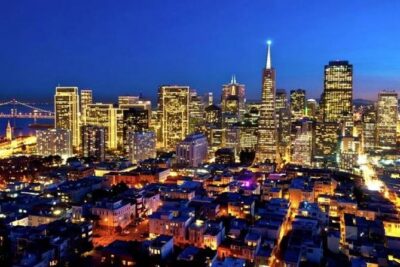 ★ 5.0Chinatown & North BeachLittle Italy: 7 Tastings & HistoryFrom $961,070 reviews
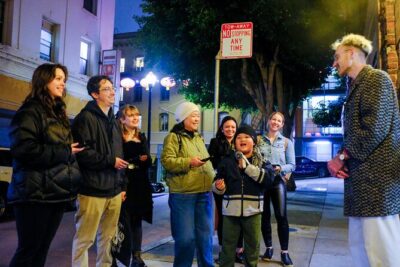 ★ 5.0Ghost Hunt in SF Chinatown with a Professional InvestigatorFrom $55922 reviews
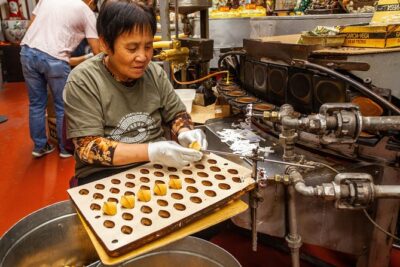 ★ 5.0San Francisco Chinatown Walking TourFrom $59778 reviews
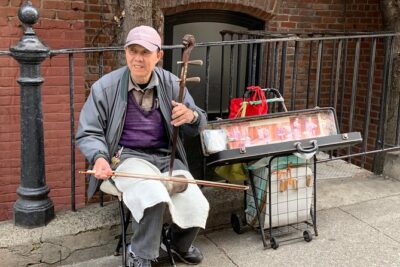 ★ 5.0Chinatown Walking Tour: Food, History & FlavorFrom $86575 reviews
 ★ 4.8Chinatown Culinary Walking TourFrom $84265 reviews
 ★ 5.0SF’s Chinatown: Tea & Dim Sum Food Tour – Includes full meal, 3hrFrom $99153 reviews
 ★ 4.8Food Walking Tour of Chinatown & North BeachFrom $94148 reviews
 ★ 5.0San Francisco Chinatown Food TourFrom $99138 reviews
Browse the lists this tour appears in