Reviewed · SAN FRANCISCO CHINATOWN TOURS
San Francisco: Chinatown Walking Food Tour
Five bites. One historic neighborhood.
This 3-hour Chinatown walking food tour pairs street-level sights with five Chinese food tastings, plus classic stops like the Chinese Fortune Cookie Factory, the oldest Buddhist Temple in San Francisco, and an authentic Chinese market. It’s built for people who don’t want to guess what to eat, or burn time waiting in line when there’s a better way to sample.
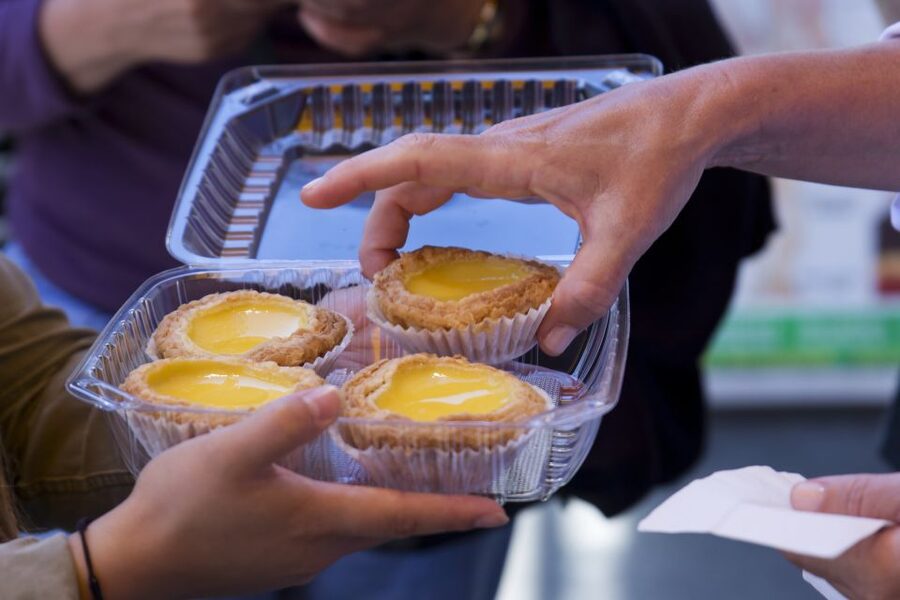
What I like most is the mix: you’ll taste cha siu pork buns, dim sum, and Hong Kong style egg tarts, along with other regional styles that cover different corners of Chinese cooking. I also like the human part—guides can bring the food history down to earth. In past groups, guides such as Jinny and Ted B have been praised for being upbeat, funny, and able to connect stories to what you’re eating.
One thing to weigh: if you have serious dietary limits, plan early. Tastings are prepared in advance, and last-minute dietary changes won’t be accommodated, so you’ll want to flag needs when you book.
In This Review
- Key things that make this Chinatown tour work
- Why this Chinatown food tour beats picking on your own
- Meeting at East West Bank: what to know before you start walking
- The food plan: five tastings that cover multiple styles
- New Hollywood Bakery: buttery cha siu pork buns as the first comfort hit
- Grant Place dim sum: Hong Kong style bites without the long lines
- AA Bakery & Café egg tarts: the sweet finish you can actually plan for
- Hunan House: when you want heat, depth, and bold flavors
- Bund Shanghai: sampling Shanghai-style food to broaden your mental map
- Z&Y Restaurant and Chef Han: why the story behind the food matters
- Fortune cookies, the oldest Buddhist Temple, and a real Chinese market
- How the tour avoids culinary tourist traps
- Price and value: $99 for 3 hours and five tastings
- Small group energy: what max 8 actually changes
- Who should book this Chinatown tour
- Final call: should you book this 3-hour Chinatown tour?
- FAQ
- How long is the San Francisco Chinatown walking food tour?
- What’s included in the price?
- Where does the tour meet?
- What are the food tastings like?
- Do I need to tell the tour about dietary restrictions?
- Is this a small group tour, and in what language is it guided?
- Is free cancellation available?
Key things that make this Chinatown tour work
- Real food stops, not just photos: you’re moving through actual shops and eateries in Chinatown
- Five tastings with range: from bakery buns to dim sum to egg tarts
- Food + culture in the same walk: fortune cookies, the oldest Buddhist Temple, and a Chinese market
- Small groups: limited to 8 participants, so questions aren’t shouted into the wind
- Guides who set context fast: people have called out guides like Jinny and Ted B for clear, lively storytelling
More lanterns, tea and dumplings in Chinatown

Why this Chinatown food tour beats picking on your own
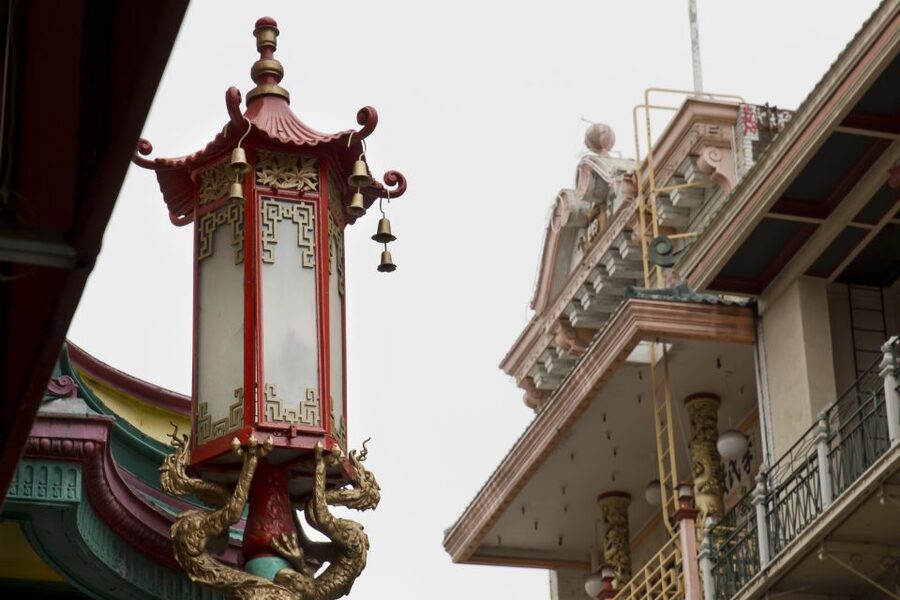
Chinatown in San Francisco is the kind of place where everything looks delicious and every menu looks like a test you didn’t study for. A walking tour helps because it collapses decision-making. You’re not hunting for what’s good right now—you’re eating what local food shops are known for, in an efficient route.
This tour also avoids the “grab-and-go” feeling that can happen when a group is rushed from one tourist stop to the next. Instead, it slows down just enough to connect food to place. You’ll also get more than just plates: the Fortune Cookie Factory stop and the oldest Buddhist Temple visit help you understand why Chinatown feels the way it does, not just what’s on the table.
Finally, the small-group format matters. When you’re capped at 8 participants, it’s easier to move through tight sidewalks, hear the guide, and ask follow-up questions without the group snapping into chaos.
Meeting at East West Bank: what to know before you start walking
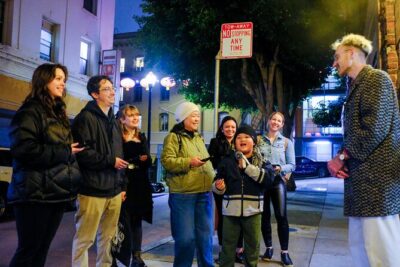
You meet in front of the East West Bank at 1066 Grant Ave (cross streets: Pacific and Grant). The key detail: meet on the Grant Avenue side.
A couple practical notes that help your first minutes feel smooth:
- The closest BART station is Montgomery, about a 20-minute walk from the meeting point.
- If you’re driving, Portsmouth Square Parking Garage is nearby (about 5 minutes on foot), at 733 Kearny Street between Clay and Washington.
This tour usually runs in the morning and lasts about 3 hours. Wear comfortable shoes—Chinatown is all hills, sidewalks, and “wait, where did that block go?” moments.
The food plan: five tastings that cover multiple styles
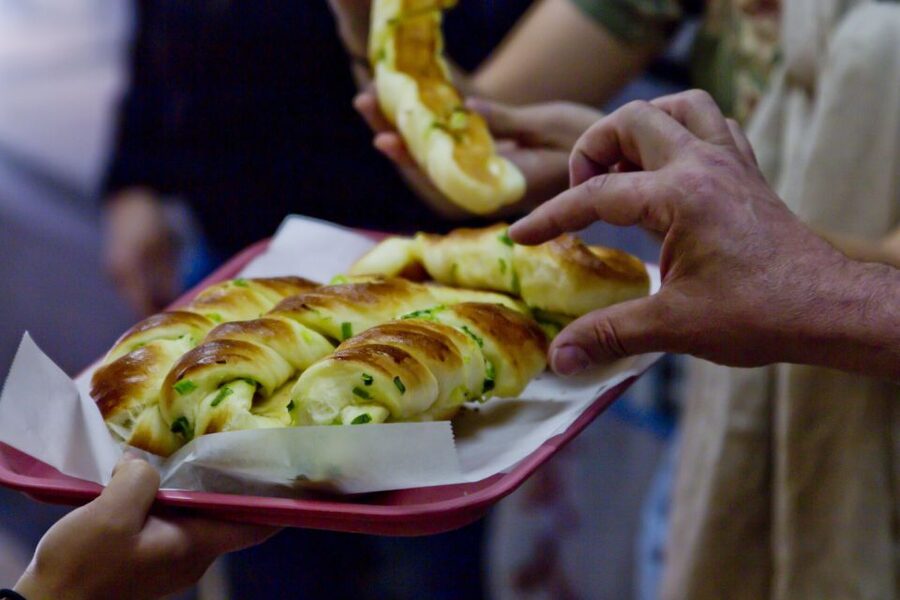
The tour is built around five food tastings from top Chinese-owned and operated spots—think bakery favorites, dim sum, and dishes representing different regional traditions. The food description specifically points to styles including Cantonese, Mandarin, and Szechuan influences, so you’re not stuck eating the same flavor profile over and over.
Here’s the lineup of food venues connected to those tastings. Not every stop is guaranteed to be in the exact order you’d predict, but these are the established places the tour uses:
- New Hollywood Bakery and Restaurant (cha siu pork buns)
- Bund Shanghai (Shanghai-style cuisine)
- Grant Place (Hong Kong style dim sum and Chinese specialties)
- Hunan House (Hunan flavors)
- AA Bakery & Café (Hong Kong style egg tarts)
- Z&Y Restaurant (with chef credentials tied to major officials)
Because tastings are prepared in advance at each location, the route stays on schedule. That also means you should tell the operator about dietary restrictions during booking—more on that below.
New Hollywood Bakery: buttery cha siu pork buns as the first comfort hit
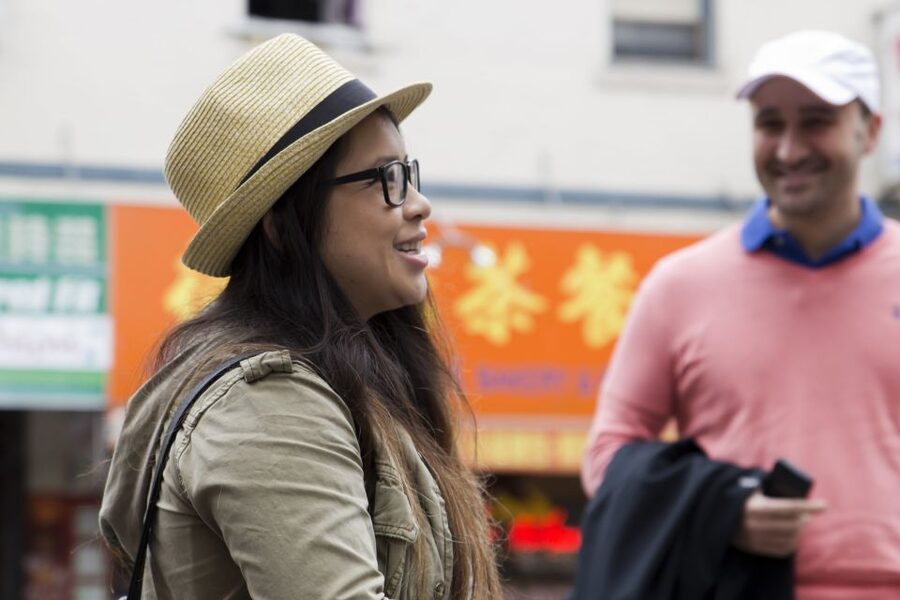
One of the standout bakery items here is the bun from New Hollywood Bakery and Restaurant. The description calls it light and buttery, filled with cha siu pork.
This is the kind of food that explains why Chinatown bakeries have loyal regulars. Buns like this work in two ways:
- They’re portable enough to eat while you’re walking.
- The filling gives you a baseline flavor—sweet-savory pork—that helps you notice differences in later tastings.
If you like your food to start gentle and satisfying rather than spicy right away, cha siu buns are a smart anchor.
Still hungry? The city plate by plate
Grant Place dim sum: Hong Kong style bites without the long lines
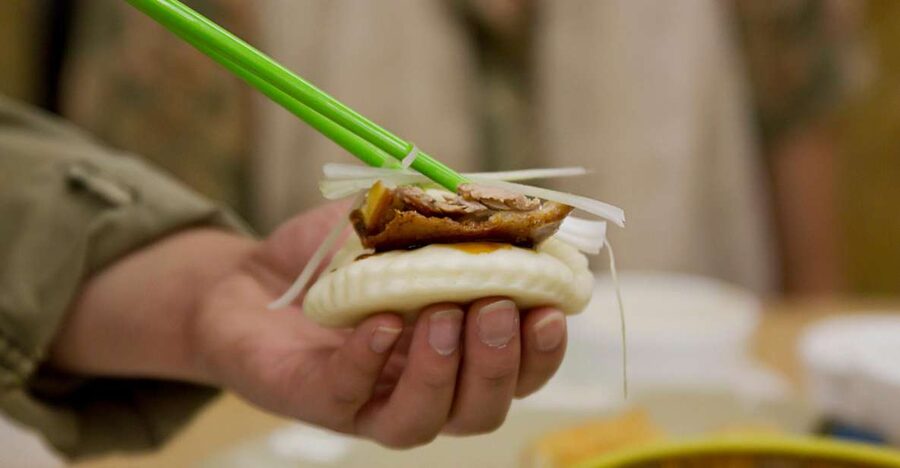
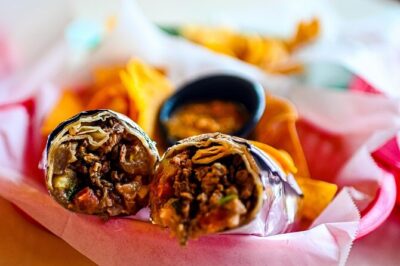
Another food stop centers on Grant Place, described as a local favorite known for Hong Kong style dim sum and Chinese specialties.
Dim sum is one of those categories where lines can form fast, and the “best” items can be hard to spot if you don’t know what to look for. The tour’s design helps you bypass the worst waiting. You get the dim sum experience without spending your appetite standing in line.
Practical tip: dim sum tastings tend to be small, but they’re intense. Take the first bite slowly, then pay attention to texture—dumpling wrappers and fried vs. steamed items tell you a lot about the cooking style.
AA Bakery & Café egg tarts: the sweet finish you can actually plan for
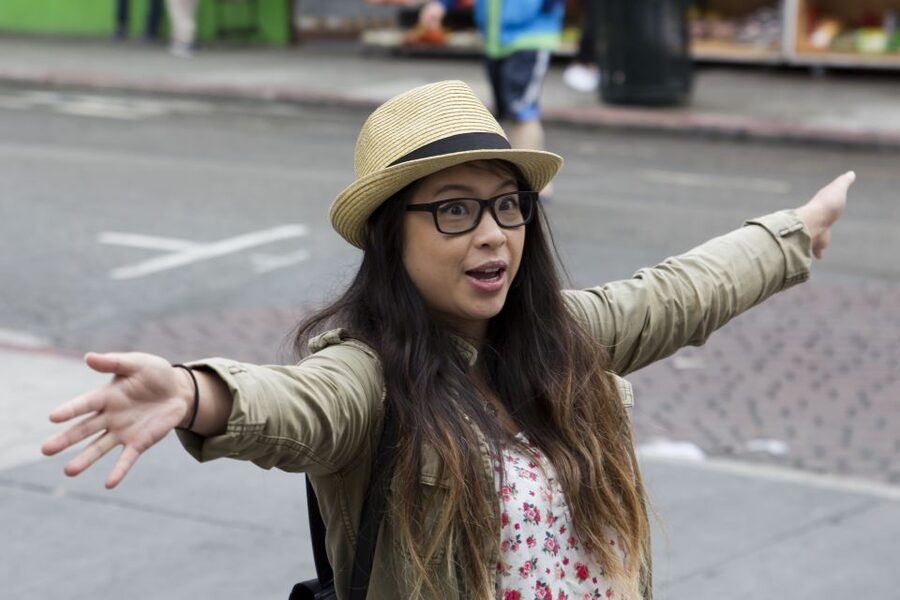
If you care about desserts at all, don’t treat this stop like an optional bonus. AA Bakery & Café is highlighted for Hong Kong style egg tarts, cooked to a smooth flan-like perfection with a buttery, flaky crust.
This is classic Chinatown bakery behavior: the dessert isn’t an afterthought. Egg tarts are small enough to handle mid-tour, and rich enough to satisfy your sweet tooth without needing a full sit-down meal.
Also, if you’re a texture person, egg tarts are a great comparison tasting. You’ll notice how custard sets and how the crust flakes (or doesn’t) depending on the bakery style.
Hunan House: when you want heat, depth, and bold flavors
Hunan House represents Hunan cuisine, known (in general terms) for flavors that can be stronger and more assertive than the mildest Cantonese-leaning dishes. On this tour, you’re tasting Hunan-style offerings as part of the five-food lineup.
So what does that mean for you? It means your tour isn’t locked into one mood. After the bun and dim sum, you can shift into something that feels more intense—often where peppery notes, savory depth, or warming spices show up.
If you’re sensitive to spice, you’ll want to rely on the guide and your own comfort level. The tour requires you to report dietary restrictions when booking, but regular spice preferences weren’t listed—so you’ll be safest if you’re honest with the guide and go step by step.
Bund Shanghai: sampling Shanghai-style food to broaden your mental map
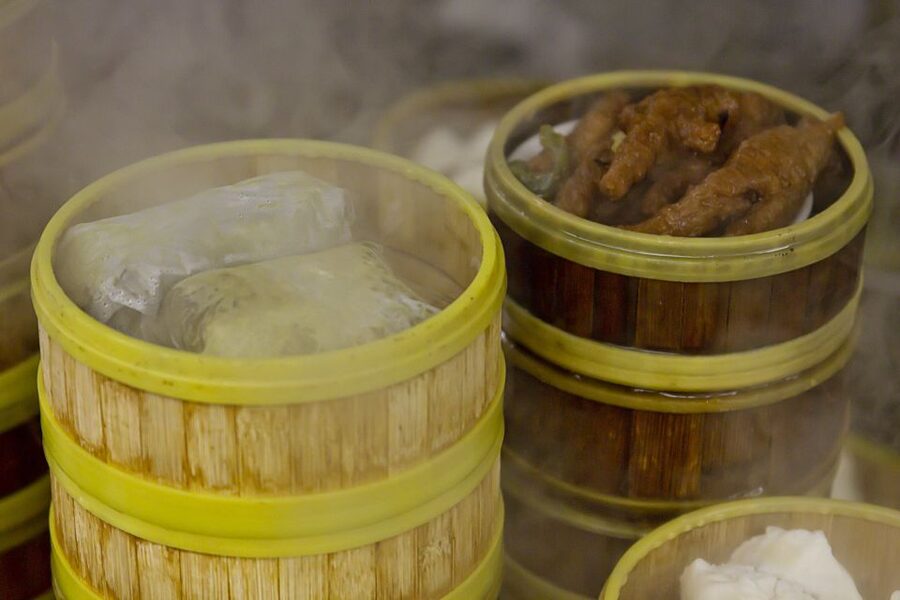
Bund Shanghai is part of the tour’s food lineup, labeled as traditional Shanghai-style cuisine.
Shanghai food often feels like a bridge between different Chinese culinary traditions. That makes it a useful tasting on a walking tour because it helps you stop thinking of “Chinese food” as one thing. Instead, you start noticing regional cues.
Even if you don’t eat a lot of Shanghai food normally, this stop helps you answer a useful question: what’s different about the way the region balances flavor, cooking method, and texture?
Z&Y Restaurant and Chef Han: why the story behind the food matters
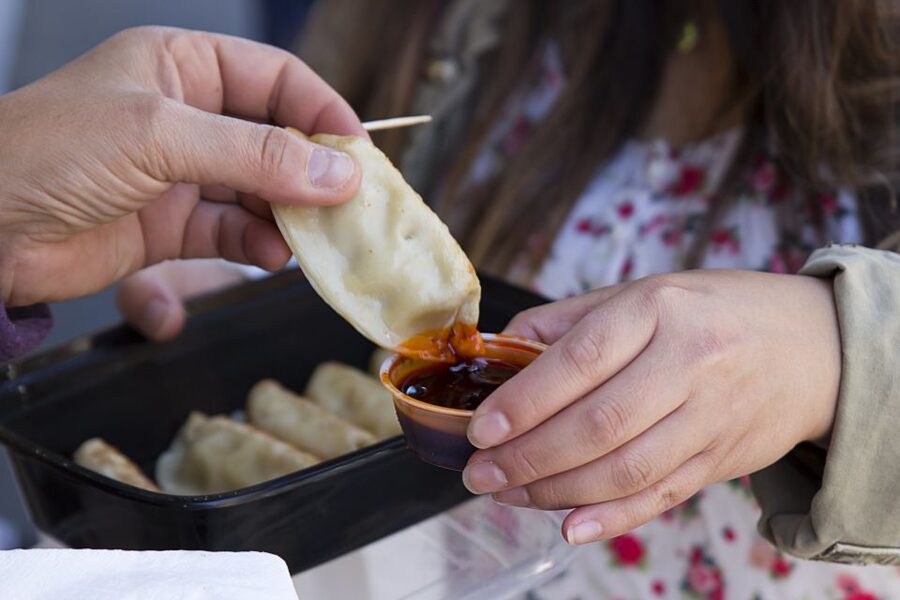
Z&Y Restaurant is noted for Chef Han, with a reputation tied to preparing food for presidents and foreign ministers of the People’s Republic of China.
That kind of detail changes the way you experience the meal. You’re not just tasting something because it’s popular. You’re tasting something that connects to a larger standard of cooking and a history of high-level Chinese dining.
In other words: this is where the tour can feel a bit more formal, even though you’re still in a walking-food-tour format. If you like when food comes with context, Chef Han’s spotlight stop can make your bites feel more intentional.
Fortune cookies, the oldest Buddhist Temple, and a real Chinese market
The food is the headline, but the tour earns its value by adding cultural context that you can feel in the neighborhood.
Here’s what you’ll see beyond plates:
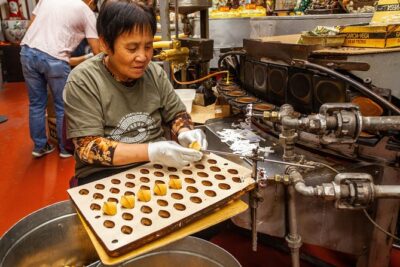
- The Chinese Fortune Cookie Factory
- The oldest Buddhist Temple in San Francisco
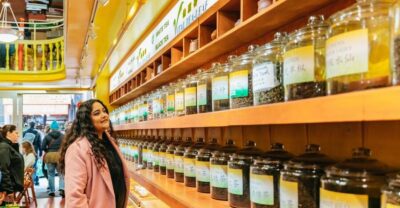
- An authentic Chinese market
Even without turning this into a lecture, these stops do something important: they connect Chinatown’s food culture to daily life. Fortune cookies are modern, yes, but they still show how Chinese-American traditions create new rituals. The temple gives you a sense of continuity. The market grounds everything back in shopping, community, and the kind of browsing locals do.
If you’ve ever felt like food tourism skips the why, this portion helps.
How the tour avoids culinary tourist traps
A big part of this experience is how it’s paced. It’s not built around long waits and “look at the famous line” energy. The tour description explicitly says you can sample without waiting in long lines, which is what you want when you’re on a schedule.
It also helps that tastings are prepared in advance. That means you can expect a consistent flow from stop to stop.
Here’s the tradeoff: because tastings are prepared in advance, you can’t count on last-minute substitutions. If you have complex dietary restrictions, make sure you provide them at purchase time. The tour states that last-minute dietary changes won’t be accommodated, and it specifically calls out severe allergies as a reason to contact them before booking.
Price and value: $99 for 3 hours and five tastings
At $99 per person for about 3 hours, you’re paying for three things:
- Access to great food venues (small specialty places and bakeries)
- The guide and routing so you don’t waste time guessing or waiting
- All food tastings included
Bottled beverages are not included, though some places may supply water. In practice, that means your biggest extra cost is probably just a drink if you need one.
Is it “cheap”? No. But it can be good value if you would otherwise spend the same money on:
- one or two meals you choose poorly,
- plus taxi or rides between neighborhoods,
- plus the time cost of lines.
A structured food tour like this is often worth it when you want to eat more variety than you’d normally attempt in one visit.
Small group energy: what max 8 actually changes
This tour is limited to 8 participants, which is a sweet spot for both food and storytelling. With a bigger group, you’re forced into a passive role: you follow, you eat, you don’t ask many questions.
With a small group, you can actually hear the guide. People in past groups have praised guides like Ted B for remembering names and making the vibe feel like a shared experience rather than a scripted job.
Even if you’re shy, you’ll likely feel less pressure. You’re not competing with a crowd for attention.
Who should book this Chinatown tour
This fits best if you:
- want a first-time Chinatown introduction that’s about food and place, not just landmarks
- like comparing styles—bakery vs. dim sum vs. regional dishes—within one walk
- don’t want to study menus or wait in lines
- value a guide who explains what you’re eating in plain terms
It might be less ideal if you:
- need very specific meal substitutions at the last minute
- have severe allergies and haven’t contacted the operator ahead of time
- want a slower, sit-down dining experience with full plates (this is a walking tastings format)
Final call: should you book this 3-hour Chinatown tour?
I’d book it if you want a practical, structured way to eat well in San Francisco Chinatown without turning your day into a line-hunting contest. The mix of five food tastings plus the Fortune Cookie Factory, the oldest Buddhist Temple, and a real market stop makes it feel like more than just dinner-on-a-walk.
Skip it or double-check your situation if you have serious allergies or dietary constraints that require careful substitutions—because tastings are prepared in advance and last-minute changes won’t be handled.
If you’re comfortable planning ahead and wearing good shoes, this is the kind of tour that can save you time and still feel authentic.
FAQ
How long is the San Francisco Chinatown walking food tour?
It lasts about 3 hours.
What’s included in the price?
All food tastings are included. Bottled beverages are not included.
Where does the tour meet?
Meet in front of the East West Bank at 1066 Grant Ave, San Francisco, CA 94133, on the Grant Avenue side (cross streets: Pacific and Grant).
What are the food tastings like?
You’ll taste a variety of Chinese cuisine styles through five food tastings, including items like cha siu pork buns, dim sum, and Hong Kong style egg tarts, plus tastings from several noted Chinatown food venues.
Do I need to tell the tour about dietary restrictions?
Yes. You should provide dietary restrictions when you purchase tickets. Last-minute dietary changes are not accommodated, and severe food allergies should be discussed by contacting them before booking.
Is this a small group tour, and in what language is it guided?
Yes. It’s limited to 8 participants, and the live tour guide speaks English.
Is free cancellation available?
Yes. You can cancel up to 24 hours in advance for a full refund.
More Tour Reviews in San Francisco
- Muir Woods and Sausalito (Return by Bus or Ferry)★ 4.5 · 5,098 reviews
- Big Bus SF: Hop-on Hop-off Tour with 17 Stops and Sunset Option★ 4.0 · 4,539 reviews
- Napa and Sonoma Wine Country Full-Day Tour from San Francisco★ 4.5 · 4,455 reviews
- Small Group Yosemite and Giant Sequoias Day Trip from San Francisco★ 5.0 · 3,671 reviews
- San Francisco: Golden Gate Bay Cruise★ 4.7 · 3,644 reviews
- San Francisco: Hop-On Hop-Off Sightseeing Tour with 17 Stops★ 4.5 · 3,600 reviews
Eat San Francisco: More Food Walks
- San Francisco Authentic Food Tour with 5 Locals Favorites Dishes★ 5.0 · 852 reviews
- San Francisco: Chinatown Culinary Walking Tour★ 4.8 · 265 reviews
- San Francisco: North Beach and Little Italy Food Tour★ 4.8 · 188 reviews
- Mission District Food Tour: Appetizers, Entrée and Dessert★ 5.0 · 182 reviews
- Exclusive North Beach Food Tour in San Francisco★ 5.0 · 162 reviews
- SF’s Chinatown: Tea & Dim Sum Food Tour – Includes full meal, 3hr★ 5.0 · 153 reviews
More Hours in Chinatown
- Chinatown & North BeachLittle Italy: 7 Tastings & History★ 5.0 · 1,070 reviews
- Ghost Hunt in SF Chinatown with a Professional Investigator★ 5.0 · 922 reviews
- San Francisco Chinatown Walking Tour★ 5.0 · 778 reviews
- Chinatown Walking Tour: Food, History & Flavor★ 5.0 · 575 reviews
- San Francisco: Chinatown Culinary Walking Tour★ 4.8 · 265 reviews
- SF’s Chinatown: Tea & Dim Sum Food Tour – Includes full meal, 3hr★ 5.0 · 153 reviews
Just Reviewed: Fresh San Francisco Tours
- Private San Francisco City Tour + Alcatraz (Tickets Incl., Max 6)
★ 5.0 · 3 reviews - San Francisco: North Beach Food and History Walking Tour
★ 5.0 · 3 reviews - San Francisco Bay Cruise and City Combo Tour
★ 3.5 · 3 reviews - San Francisco City Half-Day Private Custom Tour
★ 5.0 · 3 reviews - San Francisco: Muir Woods, Point Reyes, and Meadery Tour
★ 4.2 · 3 reviews - Private Muir Woods and Sausalito Half Day Tour
★ 5.0 · 3 reviews
San Francisco Chinatown Tours, compared.
 ★ 5.0Chinatown & North BeachLittle Italy: 7 Tastings & HistoryFrom $961,070 reviews
 ★ 5.0Ghost Hunt in SF Chinatown with a Professional InvestigatorFrom $55922 reviews
 ★ 5.0San Francisco Chinatown Walking TourFrom $59778 reviews
 ★ 5.0Chinatown Walking Tour: Food, History & FlavorFrom $86575 reviews
 ★ 4.8Chinatown Culinary Walking TourFrom $84265 reviews
 ★ 5.0SF’s Chinatown: Tea & Dim Sum Food Tour – Includes full meal, 3hrFrom $99153 reviews
 ★ 4.8Food Walking Tour of Chinatown & North BeachFrom $94148 reviews
 ★ 5.0San Francisco Chinatown Food TourFrom $99138 reviews
Browse the lists this tour appears in