
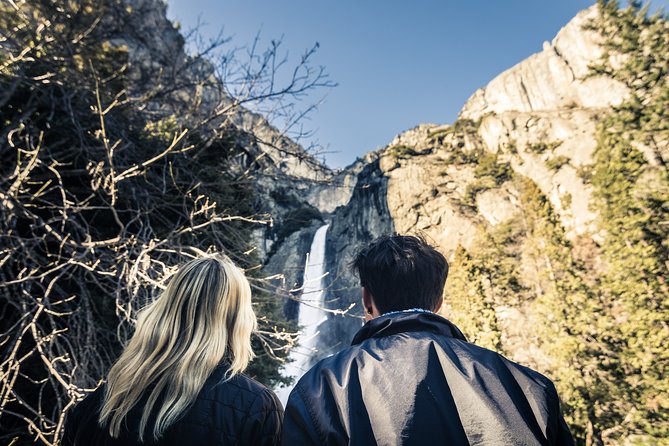
Reviewed · YOSEMITE NATIONAL PARK DAY TRIPS
San Francisco to Yosemite One-Way Transfer
Yosemite, without the car stress. This one-way transfer turns a long drive into a guided first look at Yosemite Valley plus major stops along the way, so you arrive ready to see the highlights. I especially like that it’s built around hotel pickup and a day plan that doesn’t require you to wrestle with car logistics.
I love the value of this deal: for U.S. residents, Yosemite park entry is included (so one less charge to plan for when the day is already early). I also like the onboard extras that help you get your bearings, including an expert guide and free geo-based audio guides in 8 languages.
My only real consideration is the early start and the pace. Pickups begin around 5:20 AM, and once you’re in Yosemite you’ll be fitting a lot of big sights into a short window, so it’s not the calm, meander-everywhere type of trip.
In This Review
- Key things to know before you go
- San Francisco hotel pickup at 5:20 AM: how the day actually starts
- Price and value: $99 plus Yosemite entry for U.S. residents
- The “drive there” part: Bay Bridge and Treasure Island stops
- Sierra Nevada views: why the bus ride still feels like part of the trip
- Entering Yosemite Valley: Tunnel View to the main waterfall zone
- El Capitan and Half Dome: the big walls and why rock climbers obsess over them
- Horsetail Fall timing: a seasonal highlight with a real-world catch
- Lower Yosemite Fall trail (quarter-mile one way): a short walk with big payoff
- Merced River and Yosemite Valley Lodge: slowing down without losing the day
- Valley Visitor Center: maps, displays, and smarter photo stops
- What the pace and group size feel like (and why it matters)
- Meals on the transfer: you’ll stop, but you’ll still pay
- Who should book this one-way SF to Yosemite transfer
- Quick practical tips so Yosemite feels magical, not chaotic
- Should you book the San Francisco to Yosemite one-way transfer?
- FAQ
- Is Yosemite park entry included in the ticket price?
- What’s the pickup time range from San Francisco area hotels?
- Do I need to rent a car or book park passes far in advance?
- Is food included during the tour?
- How much walking is involved, and what fitness level do I need?
- Are audio guides included, and what languages are available?
- Can I bring a service animal?
- Can I get a full refund if I cancel?
- What are the requirements for kids in car seats?
Key things to know before you go
- Hotel pickup across central San Francisco makes this transfer truly low-stress
- Yosemite Valley entry included for U.S. residents on this SF-to-Yosemite option
- Geo-based audio guides (8 languages) help you follow along without missing the story
- Tunnel View, Bridalveil Fall, El Capitan, and Half Dome are all built into the timed stops
- A seasonal Horsetail Fall moment may happen only around the right time of year
- The group max is 41, so you’ll want a seat with a good view early
Granite walls and giant sequoias, more Yosemite runs
San Francisco hotel pickup at 5:20 AM: how the day actually starts
This is an early-morning departure. The first pickup listed is at 5:20 AM (Holiday Inn San Francisco–Golden Gateway), and the last one you’ll see in the schedule goes out later, including a pickup around 6:40 AM in Livermore. If you hate waking up before sunrise, this part is worth planning for—pack your day stuff the night before and make peace with the alarm.
The meeting point is Hilton San Francisco Union Square, 333 O’Farrell St. Even though the bus picks up from multiple hotels, the experience ends back at that meeting point.
You’ll also want to be ready for the reality of shared rides: the pickup route matters. With lots of hotel stops, expect some waiting at the start if your hotel is later in the list, and expect a bus that’s moving—this is a transfer day, not a slow sightseeing crawl.
Price and value: $99 plus Yosemite entry for U.S. residents
At $99 per person for a one-way San Francisco to Yosemite transfer, the headline value is simple: you’re paying for transportation, guiding, and a tightly scheduled Yosemite visit.
The big cost saver is that the park entry fee for U.S. residents is included for the San Francisco to Yosemite option. For many people, that makes the difference between a smooth day and a day full of surprise add-ons once they’re already on the road.
If you’re not a U.S. resident, there’s an extra cost noted: an additional $100 park entry fee per person is collected by the operator via payment link or on the bus. There’s also a pass note for America the Beautiful Non-Resident Pass holders, with details tied to the $250 pass covering up to 4 people at entrance.
The “drive there” part: Bay Bridge and Treasure Island stops
The route doesn’t just transport you. It also gives you quick visual wins so the day doesn’t feel like one long bus ride.
Stop 1: San Francisco–Oakland Bay Bridge. This is where you get perspective fast. It carries about 260,000 vehicles per day across two decks, and you’ll see the scale of the bay crossing that connects the region’s neighborhoods.
Stop 2: Treasure Island. This artificial island was built for the 1939 World’s Fair, and it’s a California Historical Landmark. The cool part here is how you go from city-bay infrastructure to a place that has fair-ground roots—without needing to detour on your own.
These stops are short, but they work. They break up the early drive and make you feel like the day is already rolling before you reach the mountains.
Sierra Nevada views: why the bus ride still feels like part of the trip
Once you’re out of the city area, the tour heads into the Sierra Nevada region—basically, the mountain wall you’ll soon be aiming at with your eyes. There’s no long hike here, and there’s no “hard sell” moment. Instead, it’s framed as a geographic transition: the Central Valley side gives way to the Great Basin side over rugged terrain.
For me, this matters because Yosemite can hit you like a wall of awe the first time you see it. A little context on the approach helps you understand why Yosemite sits where it does, and why the views look the way they do once you’re in the valley.
Set these beside your pick before booking:



Entering Yosemite Valley: Tunnel View to the main waterfall zone
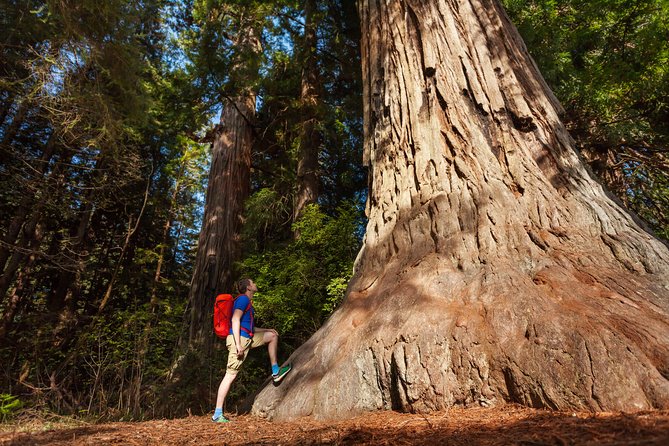
When you arrive, the day is built around Yosemite Valley’s signature sights. You’ll get time at the most photographed places, but not in a rushed “one stop, next stop” way—you’re meant to look and take it in.
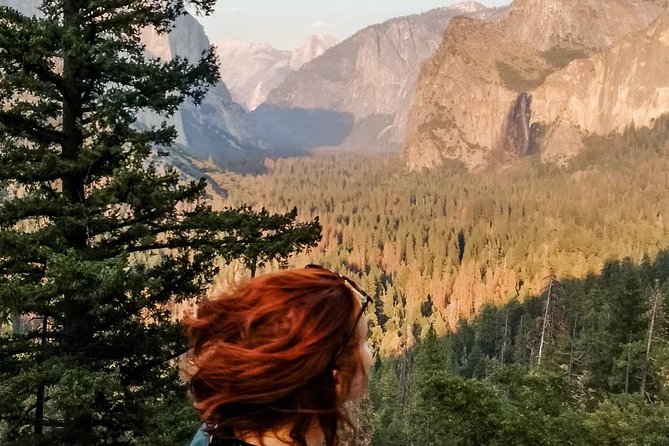
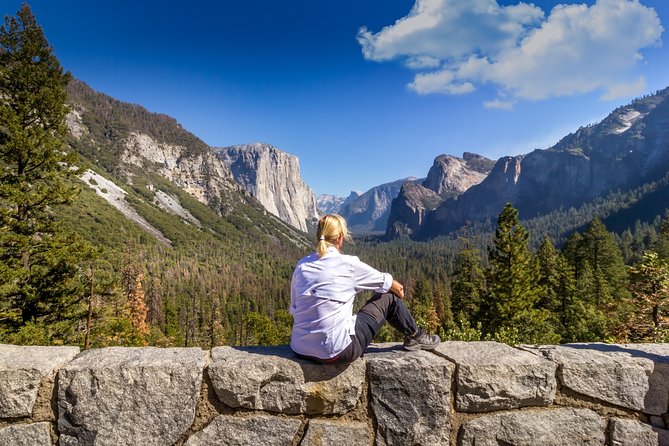
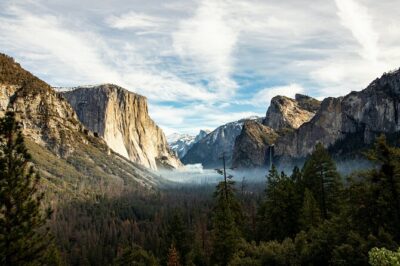
Tunnel View (about 15 minutes). This is the classic viewpoint looking into Yosemite Valley from State Route 41, a spot that’s been documented since its opening in 1933. Even if you’ve seen photos, it still lands differently in person because the view is both wide and deeply framed by granite.
Bridalveil Fall (free admission, short stop). This waterfall is one of the easiest “start spotting Yosemite” markers. In the valley, it often plays with wind and mist, so it can feel more alive than you’d expect.
These two stops are useful together. Tunnel View sets the big picture, and Bridalveil Fall shows you how water and rock work as a system in the valley.
El Capitan and Half Dome: the big walls and why rock climbers obsess over them
After Bridalveil, the tour shifts from waterfalls to granite giants.
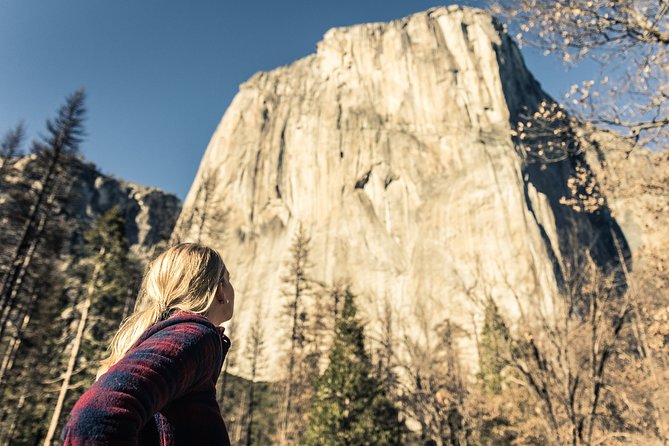
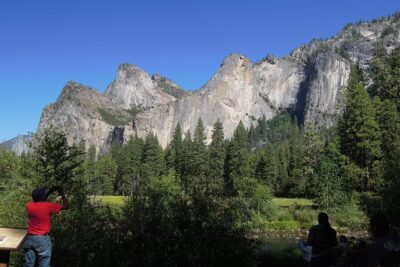
El Capitan (El Cap). This is the vertical rock formation on the north side of Yosemite Valley near the western end. It’s about 3,000 feet from base to summit along its tallest face. Even if you’re not a climber, it’s hard not to stare—this is the kind of scale that makes the rest of Yosemite feel “bigger than life,” literally.
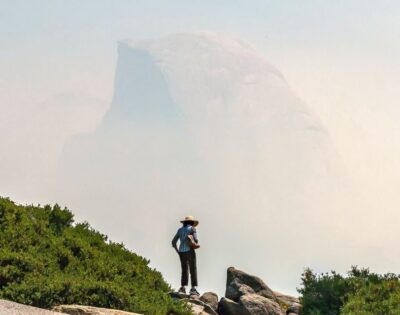
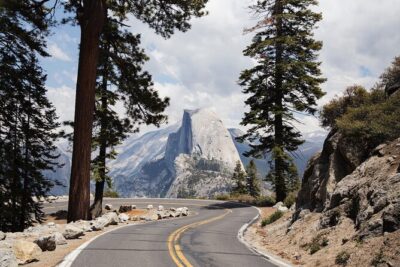
Half Dome. Named for its distinctive shape, it’s on the eastern end of Yosemite Valley. The shape is easy to recognize once you’ve seen it, and it’s also a reminder that Yosemite isn’t only about easy-to-photograph scenery. This is a place where geology does the storytelling.
One of the stronger points here is how these stops reinforce each other. You see Tunnel View, then you see the structures that make Tunnel View look the way it does. It’s not random. It’s a visual lesson.
Horsetail Fall timing: a seasonal highlight with a real-world catch
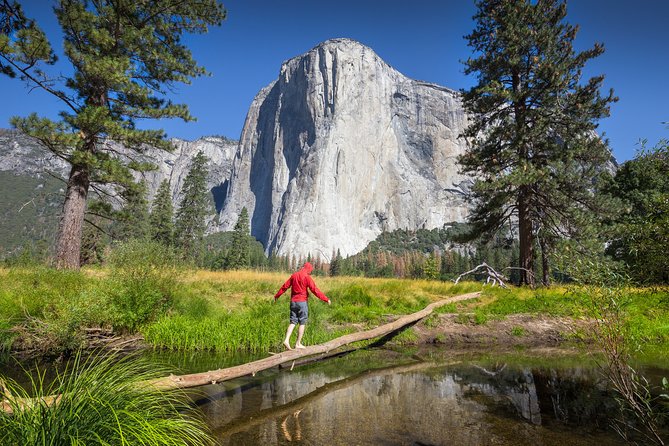
Horsetail Fall is described as seasonal and tied to winter and early spring. The tour specifically notes a famous timing window: around the second week of February, the setting sun can hit the fall at the right angle to illuminate the upper reaches.
Here’s the practical takeaway: you may or may not catch Horsetail Fall in action depending on season and conditions. If it’s scheduled during a time when it’s flowing, it’s one of those “wow, that’s why people talk about it” stops. If not, you’ll still have plenty of other Yosemite Valley highlights to enjoy.
Lower Yosemite Fall trail (quarter-mile one way): a short walk with big payoff
This is the main “active” moment.
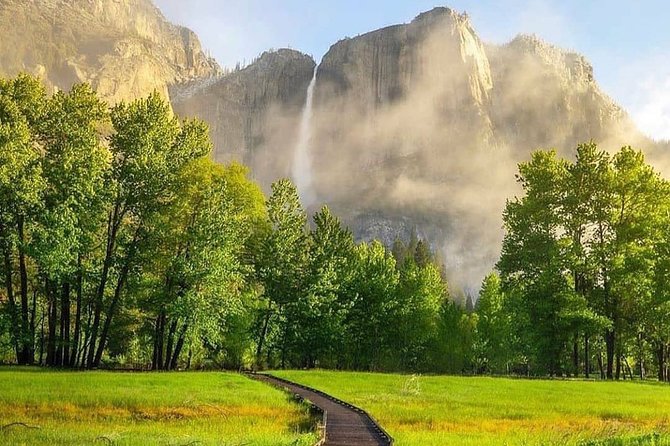
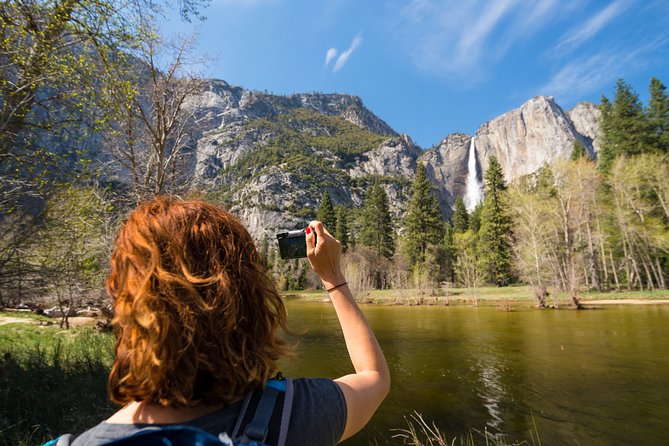
Lower Yosemite Fall Trail (about 15 minutes). You’ll do a short hike—about a quarter-mile one way—to a mist-blown view from the base of the 320-foot waterfall. It’s highlighted as a must-visit for accessibility and proximity, which matters because a lot of Yosemite is either very long to reach or very physically demanding.
Even with a short trail, conditions can affect the experience. Wear shoes with good traction. If you go in wetter seasons, expect slippery spots near water.
Also note the winter adjustment: between November and March, when trails aren’t safe due to snow and ice accumulation, the tour substitutes the hike with additional time in Yosemite Valley. So you’re not just “losing time”—you’re shifting to safer sightseeing.
Merced River and Yosemite Valley Lodge: slowing down without losing the day
You’ll also get time near the Merced River, which runs through the central part of California and is connected to valley features via smaller creeks (Tenaya, Yosemite, Bridalveil, and Pigeon Creeks join in the valley area).
This stop is valuable because it reminds you Yosemite Valley is not only walls and falls. It’s a working river system, and that changes what it feels like on foot—sound, mist, and the way the valley air sits.
Yosemite Valley Lodge is next, and it’s a logical waypoint. The tour notes that it’s a favorite choice for families and large groups, and it’s close to Yosemite Falls—so it’s a good base feel even on a day trip.
Valley Visitor Center: maps, displays, and smarter photo stops
If you want to get more out of limited time, use the Valley Visitor Center.
It’s open year-round and described as the largest and most comprehensive for displays, books, postcards, and maps. It also has staff members who can answer questions—helpful when you’re trying to decide where to look next or how to interpret what you’re seeing.
Even if you’re not a museum person, this stop can turn your day from “I saw stuff” into “I understood the stuff.” It’s especially useful when you arrive with a head full of photos and need a quick translation into real geography.
What the pace and group size feel like (and why it matters)
The tour has a maximum of 41 travelers. That’s big enough that you should expect a bus rhythm: listen, look, move, repeat. It’s not a private van where you can linger whenever the view hits you.
That said, the stops are structured. You’re not locked into one long continuous drive without breaks. You also get free unique geo-based audio guides in 8 languages, which can help you keep up even when you can’t hear every detail through the bus noise.
In the reviews tied to this kind of experience, I’ve seen real praise for guides who made the ride fun and interactive. Names that came up include Rob and Ross, both described as friendly and knowledgeable about what you’re seeing. The practical point for you: the guide quality can noticeably change how much you enjoy the journey from town to valley.
Meals on the transfer: you’ll stop, but you’ll still pay
Food isn’t included. The tour notes that it makes stops for breakfast, lunch, and dinner on the trip back. That means you’re not stuck without options, but you should budget for meals separately.
My advice: eat something simple before you go. Then during the tour’s meal stops, you can keep it flexible—grab what’s easy, avoid heavy meals if you’re prone to feeling travel-sick, and save energy for the Yosemite walking moments.
Who should book this one-way SF to Yosemite transfer
This works best if you want Yosemite highlights without driving yourself. You’re also a good fit if you want the park entry handled for you (at least for U.S. residents) and you prefer an organized schedule with guided context.
It’s also a strong choice if you’re short on time. A Yosemite day from San Francisco can be exhausting if you’re arranging everything manually. This transfer wraps pickup, transport, and Yosemite Valley timing into one plan.
You might consider a different setup if you want a slow, independent Yosemite experience with lots of hiking choices and long stays at each viewpoint. This tour gives you the big hitters, then moves on.
Quick practical tips so Yosemite feels magical, not chaotic
Pack for both city-cool and mountain-cold. Even though San Francisco can feel mild, the tour notes that winter temperatures in Yosemite can vary drastically, so wear winter clothes—especially shoes or boots with rubber soles and treads.
Bring the basics for a long day: a light layer, sun protection, and something for the breeze at viewpoints. If you’re visiting around winter months, treat traction and warmth as non-negotiable.
If you’re traveling with kids, there’s a clear requirement: California law requires a car safety seat for children under 8 and under 4’9″. If a child’s seat isn’t provided, boarding may be refused.
Should you book the San Francisco to Yosemite one-way transfer?
If you want an efficient, guided transfer that hands you a Yosemite Valley experience without the hassle of driving and sorting logistics, I’d say this is a smart buy. The hotel pickup, the Yosemite entry fee included for U.S. residents, and the way the day is built around the valley’s signature stops make it feel like paying for convenience and time.
I’d only hesitate if you hate early mornings or if you’re hoping for a slow, independent Yosemite exploration. In that case, you might want something with more flexibility and longer stays per stop.
FAQ
Is Yosemite park entry included in the ticket price?
For the San Francisco to Yosemite option, Yosemite park entry fee is included for U.S. residents. Non-U.S. residents aged 16 and older are charged an additional $100 park entry fee per person after completing the booking.
What’s the pickup time range from San Francisco area hotels?
Pickup times start at 5:20 AM and run through later hotel and area pickups (for example, 6:40 AM is listed for Livermore). Your exact pickup time depends on which pickup point you select.
Do I need to rent a car or book park passes far in advance?
This transfer is designed so you do not need to rent a car. The plan includes park entry fee for U.S. residents, which reduces the need to arrange that part ahead of time.
Is food included during the tour?
No. The tour includes stops for breakfast, lunch, and dinner on the return trip, but meals are not included.
How much walking is involved, and what fitness level do I need?
The tour indicates a moderate physical fitness level. It includes the Lower Yosemite Fall Trail (about a quarter-mile one way). Between November and March, if snow and ice make the trail unsafe, the hike is substituted with additional time in Yosemite Valley.
Are audio guides included, and what languages are available?
Yes. You get free unique geo-based audio guides in 8 languages.
Can I bring a service animal?
Yes. Service animals are allowed.
Can I get a full refund if I cancel?
Yes. Free cancellation is available. You can cancel up to 24 hours in advance of the experience’s start time for a full refund. If you cancel less than 24 hours before, the amount paid is not refunded.
What are the requirements for kids in car seats?
California law requires a car safety seat for all children under 8 years and under 4’9″ (1.4 meters). If you do not provide the safety seat at the time of the tour and do not inform the operator, boarding may be refused and you won’t receive a refund.
More Private Drivers in San Francisco
- Private Arrival Transfer from San Francisco Airport SFO★ 3.5 · 286 reviews
- San Francisco: SFO Airport Private Transfer to Downtown★ 4.3 · 168 reviews
- Private Departure Transfer to San Francisco Airport SFO★ 4.0 · 152 reviews
- Private Transfer from San Francisco International Airport to San Francisco Hotel★ 4.0 · 44 reviews
- Private Transfer: Round trip transfer from San Francisco International Airport★ 4.5 · 37 reviews
- San Francisco Airport 1-Way Transfer to/from the City★ 4.8 · 36 reviews
More Tour Reviews in San Francisco
- Muir Woods and Sausalito (Return by Bus or Ferry)★ 4.5 · 5,098 reviews
- Big Bus SF: Hop-on Hop-off Tour with 17 Stops and Sunset Option★ 4.0 · 4,539 reviews
- Napa and Sonoma Wine Country Full-Day Tour from San Francisco★ 4.5 · 4,455 reviews
- Small Group Yosemite and Giant Sequoias Day Trip from San Francisco★ 5.0 · 3,671 reviews
- San Francisco: Golden Gate Bay Cruise★ 4.7 · 3,644 reviews
- San Francisco: Hop-On Hop-Off Sightseeing Tour with 17 Stops★ 4.5 · 3,600 reviews
East to Yosemite: More Day Trips
- Small Group Yosemite and Giant Sequoias Day Trip from San Francisco★ 5.0 · 3,671 reviews
- Yosemite Highlights & Giant Sequoias Day Tour from San Francisco★ 4.5 · 3,455 reviews
- From SF: Yosemite Day Trip with Giant Sequoias Hike & Pickup★ 4.9 · 1,331 reviews
- Yosemite National Park: Full Day Tour from San Francisco★ 4.0 · 937 reviews
- From San Francisco: Day Trip to Yosemite National Park★ 4.5 · 883 reviews
- Yosemite Day Tour from San Francisco★ 4.5 · 713 reviews
Just Reviewed: Fresh San Francisco Tours
- Private San Francisco City Tour + Alcatraz (Tickets Incl., Max 6)
★ 5.0 · 3 reviews - San Francisco: North Beach Food and History Walking Tour
★ 5.0 · 3 reviews - San Francisco Bay Cruise and City Combo Tour
★ 3.5 · 3 reviews - San Francisco City Half-Day Private Custom Tour
★ 5.0 · 3 reviews - San Francisco: Muir Woods, Point Reyes, and Meadery Tour
★ 4.2 · 3 reviews - Private Muir Woods and Sausalito Half Day Tour
★ 5.0 · 3 reviews
Yosemite National Park Day Trips, compared.
 ★ 5.0Small Group Yosemite and Giant Sequoias Day Trip from San FranciscoFrom $2393,671 reviews
 ★ 4.5Yosemite Highlights & Giant Sequoias Day Tour from San FranciscoFrom $2193,455 reviews
 ★ 4.9From SF: Yosemite Day Trip with Giant Sequoias Hike & PickupFrom $2391,331 reviews
 ★ 4.0Yosemite National Park: Full Day Tour from San FranciscoFrom $199937 reviews
 ★ 4.5From San Francisco: Day Trip to Yosemite National ParkFrom $209883 reviews
 ★ 4.5Yosemite Day Tour from San FranciscoFrom $209713 reviews
 ★ 4.5Yosemite National Park 2-Day Tour from San Francisco with LodgingFrom $619412 reviews
 ★ 4.4Day Trip to Yosemite with Giant Sequoias HikeFrom $209290 reviews
Browse the lists this tour appears in