
Reviewed · SAN FRANCISCO
San Francisco’s Wild Side, Ecotour With Meteorologist
San Francisco has a secret way up. This small-group ecotour threads natural wonders through the city, guided by a local scientist who ties plants and place to the Bay Area’s weather patterns. The walk ends with ceramic-tile stair panoramas that show you why fog and wind here act like a local superpower.
I love the way the route starts in a redwood grove, then turns into a practical tour of how Northern California ecosystems work, not just a photo stop. I also like that the guide explains the “why” behind what you’re feeling outside, so meteorology becomes useful instead of just interesting. You’re not stuck guessing whether to bring a jacket, because the tour frames conditions as part of the landscape.
One drawback to plan for: you’ll climb multiple stairways and walk on a few dirt paths. It’s a slow pace with breaks, but it can still feel like a workout, and it’s not suitable for mobility impairments.
In This Review
- Key highlights
- A meteorology-minded walk through San Francisco’s real microclimates
- Starting at the National AIDS Memorial Grove on Nancy Pelosi Drive
- Golden Gate Park redwood groves and learning the tallest trees on Earth
- Monarch Bear Grove, Shakespeare Garden, and the park’s quieter details
- Music Concourse and the Conservatory of Flowers: where botany meets architecture
- Inner Sunset neighborhood history, architecture, and a real sourdough stop
- Two sets of tiled stairways: ceramic mosaics, maintenance, and effort
- Grandview Park viewpoint: ocean-to-bay or above-the-fog skies
- Price and value: why $35 for 150 minutes can make sense
- Who should book this eco walk, and who should pass
- Should you book San Francisco’s Wild Side ecotour with a meteorologist?
- FAQ
- How long is the San Francisco Wild Side ecotour?
- How big is the group?
- Where do we meet?
- What’s included in the price?
- What should I bring?
- Is this tour suitable for people with mobility impairments?
Key highlights
- Meteorologist-led weather talk that helps you read fog, wind, and microclimates around the city
- Golden Gate Park redwood grove start, with tree-focused learning early on
- Inside-the-park detours to Monarch Bear Grove, Shakespeare Garden, hidden statues, Music Concourse, and the Conservatory of Flowers area
- Inner Sunset neighborhood walk with architecture history and a chance to buy fresh sourdough and baked goods
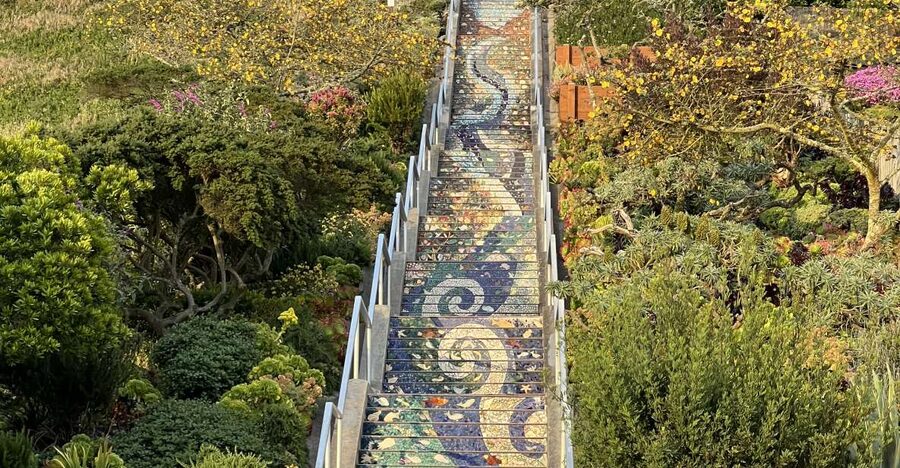
- Two tiled stairways made of thousands of ceramic tiles, including story-rich details
- Grandview Park viewpoint with ocean-to-bay views on some days or a “bird’s-eye above the fog” look on others
Still narrowing it down? Set this one beside a handful of San Francisco standouts.

A meteorology-minded walk through San Francisco’s real microclimates
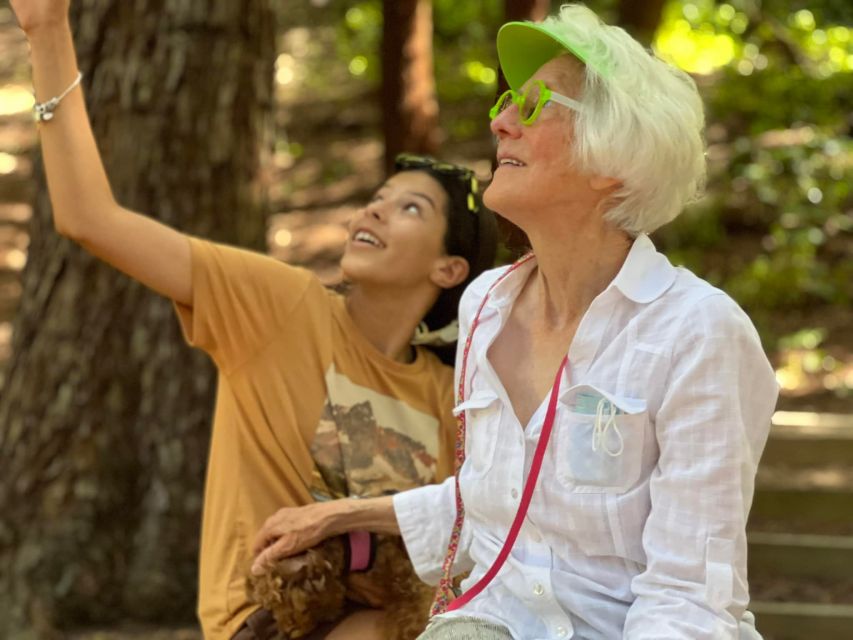
What makes this tour different is the weather angle. In San Francisco, the temperature shift you feel can happen over just a few blocks, and this guide treats that like a story you can understand. Instead of random facts, the tour connects what you see in the park to why the Bay Area atmosphere behaves the way it does.
You also get a better sense of why Golden Gate Park feels cooler or calmer than the streets just outside it. The guide’s meteorology background is especially helpful if you’re visiting in foggy shoulder seasons, because you’ll stop thinking of fog as a mood and start thinking of it as a system.
The payoff is simple: you’ll end the afternoon with a mental map of the city’s weather zones. And you’ll know what to expect when you step from sun to shade, park to neighborhood, and hilltop to lookout.
Starting at the National AIDS Memorial Grove on Nancy Pelosi Drive
You meet at the intersection of Nancy Pelosi and Bowling Green Drives, directly in front of the National AIDS Memorial Grove. It’s a clear landmark, and it gives the tour a strong sense of place right away.
This is a small group limited to 10 participants. That matters because you’re not just walking in a crowd—you can ask questions, slow the group down when needed, and actually hear the guide’s explanations as you go. It also keeps the pace from turning into a long line of people snapping pictures and moving on.
English is the tour language, and the guide is live on the entire route. So if you’re the type who notices wind direction, plant differences, or why one path feels hotter than another, you’ll get plenty of chances to ask.
Golden Gate Park redwood groves and learning the tallest trees on Earth
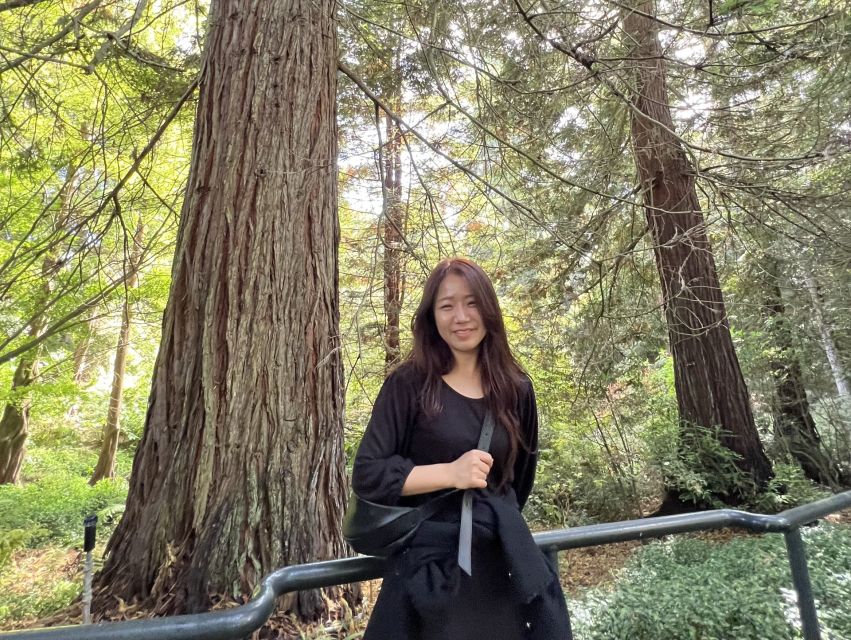
The first big chunk of the afternoon is Golden Gate Park on foot. You begin in one of the park’s redwood groves, where you learn about the tallest trees on Earth and what makes them thrive.
This is one of the best places to start because it sets a baseline. Before you chase views, you’re building context: what “healthy growth” looks like in a grove, what the environment needs, and why tree shapes and survival strategies matter. It’s not just “look at the trees.” You understand the basics of why they grow the way they do.
You’ll want comfortable clothing and shoes here. Even if the pace is described as slow, you’re still outdoors for about 150 minutes, and early terrain matters for energy later when the stair climbs arrive.
Monarch Bear Grove, Shakespeare Garden, and the park’s quieter details
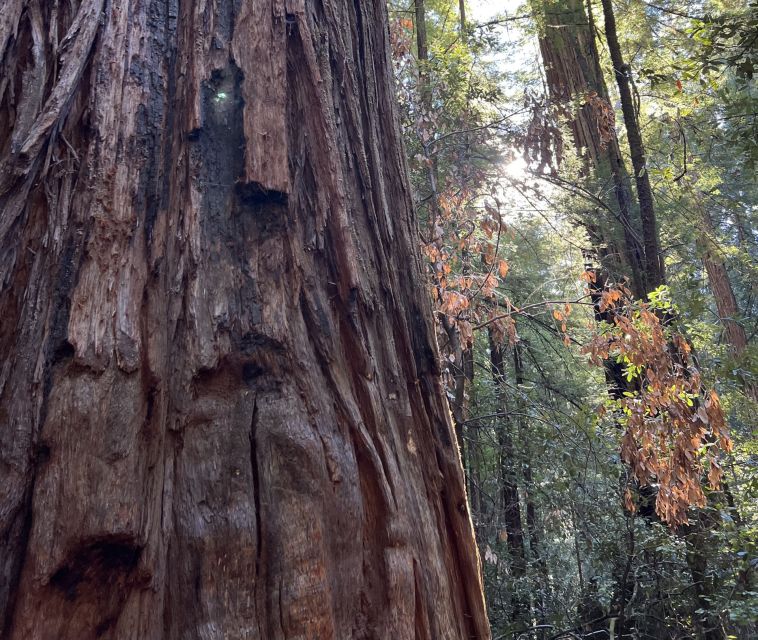
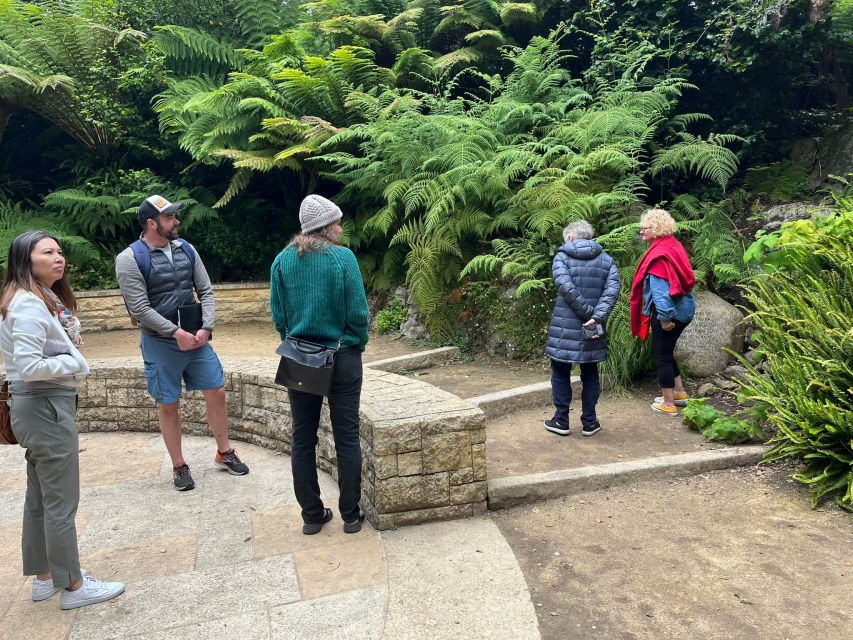
After the redwoods, the tour keeps moving through Golden Gate Park with stops that reward curiosity. You’ll walk alongside areas like the Monarch Bear Grove, Shakespeare Garden, and several lesser-known statues scattered through the park.
I like this part because it avoids the common trap: only visiting the most famous spots. Instead, you get the sense of how people experience the park day-to-day—small paths, unexpected sculptures, and garden spaces that feel discovered rather than scheduled.
There’s also a practical benefit. When you learn what to look for—plant types, garden layouts, and the reason these spaces exist—you stop treating Golden Gate Park like a single attraction and start seeing it as a system. That makes the rest of the day’s city scenery more meaningful.

Music Concourse and the Conservatory of Flowers: where botany meets architecture
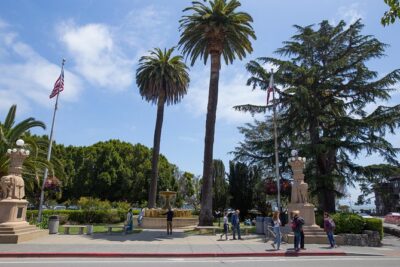
As the tour caps its time inside Golden Gate Park, you pass through the Music Concourse and walk alongside the Conservatory of Flowers area.
This portion helps connect two sides of San Francisco you may feel during your trip: the city’s love of design and its long relationship with plants. The Conservatory setting also gives you a “frame” for what you learned earlier outdoors. Even if you don’t go inside anywhere specific, the outdoor viewing and walk-through context makes the gardens feel more purposeful.
It’s also a nice transition point. Park walking is slower, more shaded, and more textured. Moving toward the neighborhoods afterward can feel like stepping from one kind of ecosystem into another—green space to human space—without changing the fact that you’re still walking with an active guide.
Inner Sunset neighborhood history, architecture, and a real sourdough stop
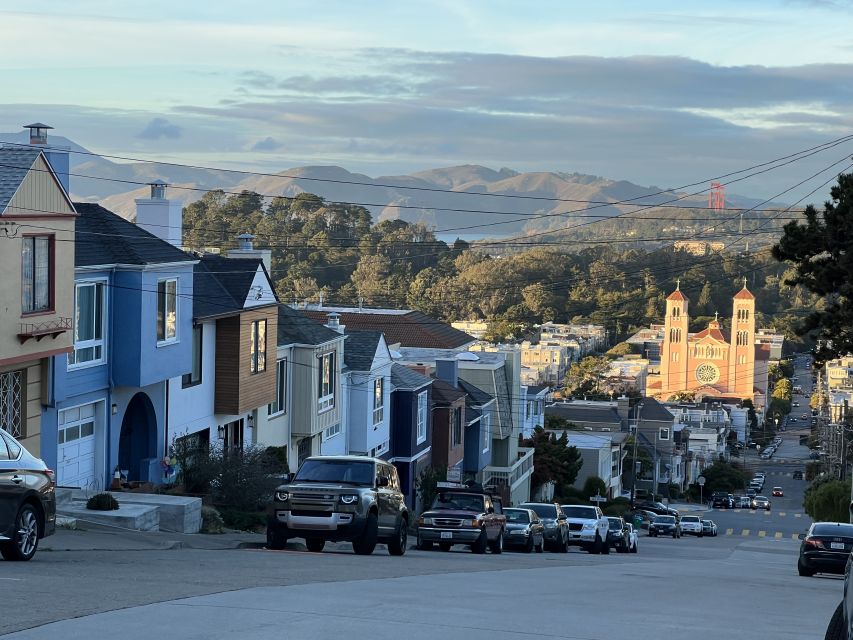
Once you leave Golden Gate Park, you head into Inner Sunset. This isn’t a drive-by. You walk through a neighborhood where you can get a sense of local rhythm, including the architecture and history the guide explains along the way.
Then comes one of the most enjoyable segments: a chance to purchase famous, freshly made San Francisco sourdough bread and baked goods from local bakeries. The tour includes a light snack and bottled water, but this is your option to add something you can carry as you stroll.
A small practical tip: if you plan to buy something, have your timing ready. The tour is structured, so decide early whether you want a quick bite or something bigger. This is also where you’ll appreciate being with a small group—there’s less rushing and more time to spot which bakery looks best for your cravings.
You’ll also learn how the neighborhood fits into the larger city story. That turns “just walking in a neighborhood” into something with context, so you notice more than storefronts and street signs.
Two sets of tiled stairways: ceramic mosaics, maintenance, and effort
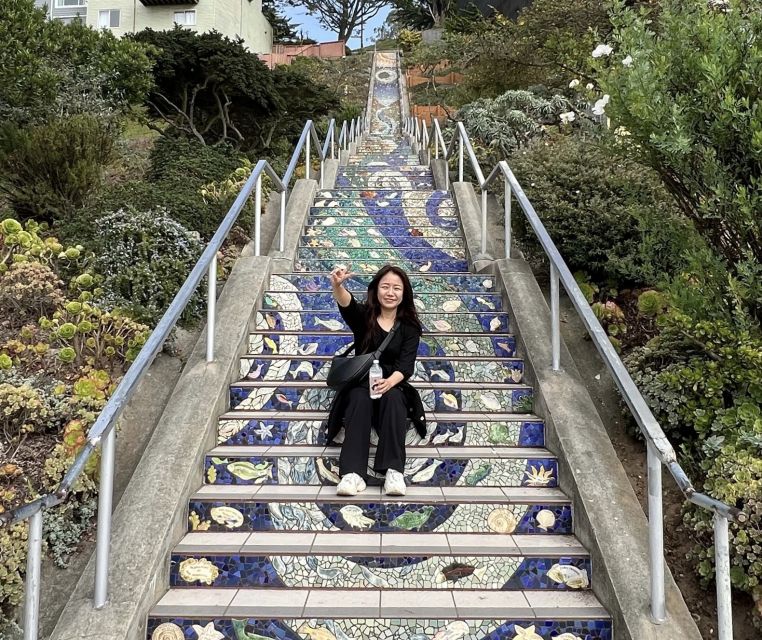
Now you earn the views. You’ll make your way up two sets of San Francisco’s iconic tiled stairways. These climbs are made of thousands of intricately placed ceramic tiles, and the details matter.
This part is where the guide’s style shines: you’re not just climbing. You’re being told why the mosaics are arranged the way they are, how the tilework functions as art, and what it takes to maintain these stair areas over time. That turns “lots of steps” into something more interesting and easier to handle, because you’re paying attention while you work.
You should be ready for the physical reality too. The pace is slow and the guide gives little breaks, but you’re still climbing. If you’re visiting from sea level and you’re not used to hills, start the day with shoes that support your feet and ankles.
My advice for this section is simple: treat it like training, not like a race. If you go steady, you’ll keep your energy for the final viewpoint, where the best payoff comes.
Grandview Park viewpoint: ocean-to-bay or above-the-fog skies
The tour culminates at Grandview Park, a favorite viewpoint over the city. The view changes depending on the day. On some days, you can catch sight from the Pacific Ocean to the Bay, while other days deliver a bird’s-eye look above the fog.
This is one of those moments in San Francisco where weather is part of the attraction. If it’s foggy, don’t assume it’s a disappointment. In many Bay Area scenes, fog makes the city look layered and calm, and it can even sharpen the contrast between neighborhoods.
Also, dress like a local for variation. Even in daytime, your temperature can change as you move from sheltered areas into wind-exposed lookouts. Bring layers so you can adjust without spending the whole time fiddling with clothing.
Price and value: why $35 for 150 minutes can make sense
At $35 per person for about 150 minutes, this tour can be strong value—especially if you want more than a typical sightseeing stroll. You’re paying for three things at once: a local guide, a guided route that connects nature and city design, and structured explanations that you can’t easily recreate on your own.
What makes it feel fair is the mix of inclusions and extras. You get a light snack and bottled water, and the guide is actively working the whole time, answering weather questions and guiding you between multiple distinct environments: redwoods, gardens, neighborhood streets, and tiled stair lookouts.
And because the group stays small (up to 10), you’re less likely to feel like you’re being rushed through stops. That’s where the per-minute value really shows.
If you’re trying to choose one “guided experience” in San Francisco, this is the kind that gives you ideas you can use afterward—how to read the city’s weather and how to spot details in places you might otherwise overlook.
Who should book this eco walk, and who should pass
This tour fits best if you like walking, asking questions, and learning through observation. You’ll enjoy it whether you’re visiting for the first time or you’ve lived in the Bay Area before, because you’re guided to areas and details that many people skip.
It’s also a good pick for a family-friendly active outing, since the guide manages pacing with small breaks and keeps the route engaging. For team events, it works too, partly because it’s small and social without being loud.
But if you have mobility limitations, this isn’t a match. The tour includes multiple stairways and dirt paths, and it’s specifically listed as not suitable for mobility impairments. If that’s you, you’ll probably have a better time with something flatter.
For everyone else, your main prep is footwear. Comfortable shoes are non-negotiable, especially once the tiled stair climbs begin.
Should you book San Francisco’s Wild Side ecotour with a meteorologist?
If you want a San Francisco afternoon that feels like real place-learning, I’d book this. The combination of weather talk, Golden Gate Park ecology, a neighborhood stroll, and a grand finale viewpoint gives you variety without feeling chaotic.
You should also book it if you enjoy small-group pacing. This tour feels built for conversation, not just attendance.
Skip it only if stairs and uneven ground are dealbreakers for you. Otherwise, bring comfy shoes, wear layers, and arrive ready to look up—because the best moments here happen where the weather and the city line up.
FAQ
How long is the San Francisco Wild Side ecotour?
It lasts 150 minutes.
How big is the group?
The tour is limited to 10 participants.
Where do we meet?
You meet at the intersection of Nancy Pelosi and Bowling Green Drives, directly in front of the National AIDS Memorial Grove.
What’s included in the price?
A light snack and bottled water are included.
What should I bring?
Wear comfortable shoes, since you’ll climb multiple stairways and walk on a few dirt paths.
Is this tour suitable for people with mobility impairments?
No. It is not suitable for people with mobility impairments due to stairways and walking on uneven ground.
More Tour Reviews in San Francisco
- Muir Woods and Sausalito (Return by Bus or Ferry)★ 4.5 · 5,098 reviews
- Big Bus SF: Hop-on Hop-off Tour with 17 Stops and Sunset Option★ 4.0 · 4,539 reviews
- Napa and Sonoma Wine Country Full-Day Tour from San Francisco★ 4.5 · 4,455 reviews
- Small Group Yosemite and Giant Sequoias Day Trip from San Francisco★ 5.0 · 3,671 reviews
- San Francisco: Golden Gate Bay Cruise★ 4.7 · 3,644 reviews
- San Francisco: Hop-On Hop-Off Sightseeing Tour with 17 Stops★ 4.5 · 3,600 reviews
Just Reviewed: Fresh San Francisco Tours
- Private San Francisco City Tour + Alcatraz (Tickets Incl., Max 6)
★ 5.0 · 3 reviews - San Francisco: North Beach Food and History Walking Tour
★ 5.0 · 3 reviews - San Francisco Bay Cruise and City Combo Tour
★ 3.5 · 3 reviews - San Francisco City Half-Day Private Custom Tour
★ 5.0 · 3 reviews - San Francisco: Muir Woods, Point Reyes, and Meadery Tour
★ 4.2 · 3 reviews - Private Muir Woods and Sausalito Half Day Tour
★ 5.0 · 3 reviews