
Reviewed · NAPA & SONOMA WINE TOURS
Sonoma County: Tasting Pass (Choose 1, 2, or 90 Days)
Four sips in one day can work. The Sonoma County Tasting Pass turns the chaos of choosing where to drink into a simple mobile passport, with one-tap access to tasting flights and discounts across wineries, breweries, and distilleries. I like the no-app setup (delivered by text and email, saved to your home screen), and I like that you can pick your first stop and then work within a tight validity window. One drawback to plan for: some venue addresses can be a little hard to find when you’re relying on the pass.
This is built for self-guided drinking days—no group herding, no set route you can’t change. You’ll be redeeming your pass by showing your phone to staff, and in most places you’ll get a tasting flight (with discounts often offered too). It’s also smart for folks who want options beyond the biggest names, since you can choose from 26 craft drink makers (venues are subject to change).
In This Review
- Key points to know before you start
- Sonoma County Tasting Pass: what it really feels like
- Price and value: how $39 can make sense
- How the 1-day, 2-day, and 90-day rules change your strategy
- Choosing stops: more than big-name wineries
- Stop-by-stop guide: what to expect from specific favorites
- Trione Vineyards and Winery: friendly service and affordable finds
- Trentadue Winery: views you’ll remember
- Aldina Vineyards: tasting-room-only and Cabernet friendly
- Pech Merle Winery and Paradise Ridge: pick for variety and pacing
- Muscardini Cellars and the “end-of-day” strategy
- Breathless Wines and Spicy Vines: when you want non-standard character
- Add in big-name anchors (if you want them)
- Planning your route: avoid the classic Sonoma time trap
- Transportation: what you must sort out yourself
- Who should book, and who should skip it
- Quick practical facts before you go
- Should you book the Sonoma County Tasting Pass?
- FAQ
- FAQ
- What is included with the Sonoma County Tasting Pass?
- Do I need to download an app?
- How do I use the pass at a winery or brewery?
- Is transportation included?
- What do I need to bring?
- How many days is the pass valid?
- How many locations can I visit with the 1-day pass?
- Can I choose where to go first?
- Are reservations required anywhere?
- Who can use the pass?
Key points to know before you start

- Mobile pass, no app download: delivered instantly via text and email and saved for one-tap access
- Redeem by showing your phone: staff redeem tasting flights and may offer purchase discounts
- Pick your own pace (1, 2, or 90 days): validity runs from your first use
- More than 20 participating venues: wineries plus craft drink makers, including distilleries and breweries
- Reservations may matter: some spots require or strongly encourage booking (see your pass)
Sonoma County Tasting Pass: what it really feels like
Think of this as a shortcut to decision-making. Sonoma County has plenty of tasting rooms, but figuring out which ones are worth your time can turn into a second job. This pass gives you a menu of participating craft drink makers, then lets you build your day around what sounds good right now.
You’ll present your phone at each stop, and you’re aiming for two wins: a tasting flight and a chance at exclusive discounts on bottles or cases when offered. The pass is also designed for fast movement between stops. The phone method is simple—no paper voucher scavenger hunt, and you’re not waiting on an app to load.
If you’re the type who likes to steer your own schedule, that freedom matters. If you’re the type who hates planning even a little, you’ll still do fine, but you’ll get better results if you map out your route and keep the “valid window” rule in mind.
Price and value: how $39 can make sense
The listed price is $39 per person, and the value math mostly comes down to how many tastings and how many discount opportunities you stack.
Here’s the practical way to think about it:
- A tasting flight has a real cost at most Sonoma rooms. Even if the pass doesn’t cover every dollar, it can offset a chunk of what you’d otherwise pay.
- Discounts are the multiplier. When a tasting room offers a deal on bottles or cases, your savings can jump from small to meaningful.
- Time is money. If the pass helps you pick good stops faster, you spend less time driving in circles and more time tasting.
One more angle: this pass can be a great fit if you don’t feel locked into the big, famous names. You can build a day around the kinds of wine you like and the vibe you want—then add a couple of standout scenic spots to make it feel like more than just a checklist.
How the 1-day, 2-day, and 90-day rules change your strategy
The pass options work like this:
- 1-day pass: valid for one person at four locations for up to 24 hours after your first use.
- 2-day pass: valid for one person up to 48 hours after your first use.
- 90-day pass: valid for one person up to 90 days after purchase.
That “starts when you use it” detail is the biggest lever you control. If you activate it at a far-flung location first, you compress your options. If you start near where you’ll spend the rest of your day, you can move efficiently.
A smart approach is to treat the first use like a planning anchor:
- Start the clock when you’re ready to hit your main cluster of stops.
- Give yourself buffer time for traffic and the reality of getting in and out of tasting rooms.
Also, venues can change. Your pass will show which places have reservation requirements, so don’t ignore that. Sonoma tastings can be busy, and a “walk-in hope” plan can turn into waiting.
Choosing stops: more than big-name wineries
Your lineup can include award-winning wineries, craft breweries, cideries, and micro-distilleries—basically a craft drink map of Sonoma County. The participating list includes names like Kendall-Jackson, DeLoach Vineyards, Russian River Vineyards, and Pech Merle Winery, plus smaller producers and specialty rooms.
You also get a nice mix of styles depending on what you want that day. For example:
- If you’re hunting for classic wine-country variety, you can pick more traditional tasting rooms.
- If you want a “craft day” that isn’t only about wine labels, you can lean into breweries, cideries, and distilleries that are on the pass.
One thing I like: this pass supports repeatable exploration. With the 90-day option, you can spread tastings out across weekends rather than trying to cram everything into one sprint. That’s often when your choices get better—less rushed, more time to compare and actually remember what you liked.
Stop-by-stop guide: what to expect from specific favorites
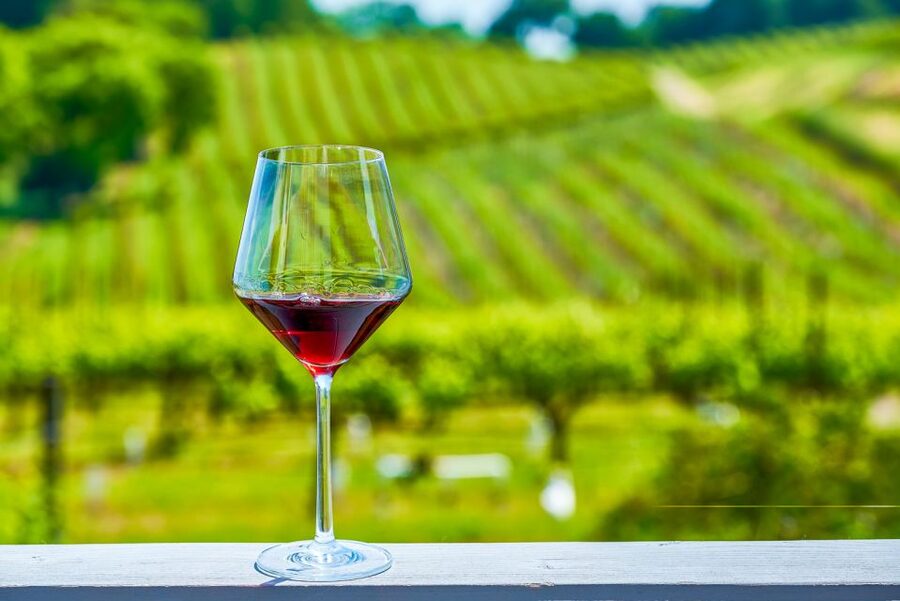
Since the pass lets you choose, you should think of these as “the kinds of stops that can become your anchor points” rather than a fixed itinerary. Here are standout examples from the participating list and what makes them worth targeting.
Trione Vineyards and Winery: friendly service and affordable finds
Trione Vineyards and Winery is the kind of tasting room that works for both beginners and wine nerds. One big reason: you can get a wide variety of affordable wines, which means you’re not stuck hunting for the priciest bottle on the list to justify the visit.
It’s also known for standout friendliness. Staff Shawn and Tanya are specifically called out for being welcoming and helpful. If you want tastings that feel human—not performative—this is the sort of stop to prioritize.
Possible drawback to keep in your head: if navigation is frustrating from the pass, give yourself a few minutes extra to locate the entrance and settle in before the tasting starts.
Trentadue Winery: views you’ll remember
If you’re building a day that feels like a real outing (not just sipping), Trentadue Winery is a good candidate. The best reason to include it is the views. Even when you’re focused on the tasting, scenery helps turn the whole stop into a highlight.
This matters because the pass can compress a lot of locations into a day. A place with strong scenery gives you a payoff even if the tasting is just average that day.
Aldina Vineyards: tasting-room-only and Cabernet friendly
Aldina Vineyards is listed as a tasting-room-only stop, which can be a plus if you want less of a drive through the vineyard maze and more time in the tasting room itself. It’s also a good choice if you’re a Cabernet fan—the wine selection is specifically noted for that.
A tasting-room-only style can keep your schedule tighter. That’s useful when your pass window is running and you still want a few more stops afterward.
Pech Merle Winery and Paradise Ridge: pick for variety and pacing
Pech Merle Winery shows up as a stop people like for a longer day. If you’re doing a 2-day style plan, Pech Merle can work as part of a balanced mix—especially when you want to keep things moving without jumping between far-away corners.
Paradise Ridge Winery is another good mid-to-late-day option when you’re trying to keep the tasting experience varied and not only wine-heavy in the big-name vein. Pairing it with a more scenic stop can make your day feel thoughtfully constructed instead of random.
Muscardini Cellars and the “end-of-day” strategy
Muscardini Cellars is a smart pick when you want an end-of-day tasting that still feels special. The key is timing. If you’re booking several stops, the last one is where your tastes can get a little foggy, so a place you already expect to enjoy helps.
Also, if your plan includes driving into a nearby town for food after tastings, a location you can reach without extra stress is worth its weight in gold.
Breathless Wines and Spicy Vines: when you want non-standard character
Breathless Wines and Spicy Vines are on the participating list, and they fit well if you want a break from the same-tasting-room routine. These stops are useful in a multi-stop day because they give you a chance to compare flavors and styles, not just labels.
If you like having at least one or two stops that feel different, build your day around those early or mid-afternoon so you’re still fresh for the comparisons.
Add in big-name anchors (if you want them)
If your group includes at least one person who wants the famous Sonoma experience, the pass includes recognizable names like Kendall-Jackson and Russian River Vineyards. I think these work best as “anchor stops,” while you surround them with more personal finds so the day isn’t only about crowds and well-known brands.
Planning your route: avoid the classic Sonoma time trap

Sonoma County isn’t just wine—you’re driving between tasting rooms, sometimes with winding roads and limited parking. The pass is easiest to use when your stops are clustered.
Here’s how to keep your day from turning into a traffic documentary:
- Start with your first use location. That triggers your validity clock. Put it where you can realistically hit several other stops nearby.
- Check reservation or strongly encouraged booking. Your pass will flag some venues. If it says reservations are needed, treat it as needed.
- Group your styles. You don’t have to “wine all day,” but it helps to decide your vibe: wine-forward, or mixed craft.
- Build in a realistic pace. A long day can work, but you’ll taste less clearly at the end. If you want quality, not just quantity, pick fewer stops and linger longer.
If you’re staying in Santa Rosa, you can use the pass to explore Sonoma County tasting rooms and still have time to head toward Sonoma for the afternoon. That combo can feel efficient because you’re not starting from scratch each day.
Transportation: what you must sort out yourself

This pass does not include transportation. That’s not a footnote—it’s the whole game. You’ll need a plan: a designated driver, a rideshare strategy, or pre-booked transport.
One practical tip: don’t treat driving times like they’re exactly what your phone predicts. Between parking and walking to the room, time slips away fast. If you’re doing a 1-day or 2-day pass, build slack into your schedule.
Also, remember the pass involves alcohol tastings. Pace yourself like a planner, not like a hero.
Who should book, and who should skip it
This pass is a strong fit if:
- You want a self-guided tasting day with lots of choice.
- You want to compare multiple makers in a short time.
- You care about getting tasting value and possible discounts, not just checking boxes.
It may be a poor fit if:
- You dislike planning even lightly. You’ll do best when you map your stops and respect the validity window.
- You need organized transportation included (it’s not).
- You’re bringing anyone who can’t participate. The pass is not suitable for pregnant women or people under 21.
If you’re a Sonoma County regular or you’re returning and already know the big classics, this pass can feel like a shortcut to the next layer: smaller makers and craft drink stops that still give you the fun of a tasting day.
Quick practical facts before you go

- You’ll need a passport or ID card.
- It’s a mobile-exclusive drink passport.
- Your pass is valid 1 day to 3 months, depending on which option you buy.
- Participating venues are subject to change.
And yes, you’re showing your phone at each location. That means your battery matters. Keep a charger or portable power in your day bag and don’t rely on one low-percentage miracle.
Should you book the Sonoma County Tasting Pass?
If you like choice, value, and the ability to build your own day, I’d say yes. At $39 per person, it’s the kind of pass that can pay off quickly if you actually use it at multiple participating makers and take advantage of tastings and possible discounts.
You should think twice if you want a tightly guided, worry-free experience with transportation handled for you. This pass rewards planning and sensible pacing. Done that way, it turns Sonoma County from a vague wine-country idea into a concrete set of enjoyable stops you can manage in real time.
FAQ
FAQ
What is included with the Sonoma County Tasting Pass?
Your purchase includes the Sonoma County Tasting Pass itself. Tastings and discounts are redeemed at participating venues by showing your mobile pass.
Do I need to download an app?
No. Your pass is delivered instantly via text and email, and you can save it to your phone’s home screen for one-tap access.
How do I use the pass at a winery or brewery?
When you visit a participating business, show your phone to the staff to redeem your tasting flight and any available discounts.
Is transportation included?
No. Transportation is not included.
What do I need to bring?
Bring a passport or ID card.
How many days is the pass valid?
There are three options: a 1-day pass, a 2-day pass, and a 90-day pass. The pass validity is tied to your first use and runs for up to 24 hours, 48 hours, or up to 90 days depending on the option.
How many locations can I visit with the 1-day pass?
The 1-day pass is valid at your choice of 4 locations for up to 24 hours after your first use.
Can I choose where to go first?
Yes. You select which location you wish to visit first, and the exact address is shown in your pass. Your pass is valid for 24 hours after first use.
Are reservations required anywhere?
Some venues may require or strongly encourage reservations. Your pass will indicate which venues have reservation requirements.
Who can use the pass?
It’s an alcohol tasting pass and is not suitable for pregnant women or people under 21.
Napa & Sonoma Wine Tours, compared.
 ★ 4.5Napa and Sonoma Wine Country Full-Day Tour from San FranciscoFrom $1654,455 reviews
 ★ 4.5San Francisco Super Saver: Muir Woods & Wine Country w/ optional Gourmet LunchFrom $1793,352 reviews
 ★ 5.0Small-Group Wine Country Tour from San Francisco with TastingsFrom $1791,543 reviews
 ★ 4.7Muir Woods, Napa & Sonoma Valley Wine TourFrom $1661,205 reviews
 ★ 5.0Napa Valley Small Group Winery TourFrom $1511,009 reviews
 ★ 4.5Sonoma Valley Open Air Wine Trolley TourFrom $135782 reviews
 ★ 4.5Napa Valley Wine Trolley Classic TourFrom $135701 reviews
 ★ 5.0Small Group: Ultimate Napa & Sonoma Wine Tour from San FranciscoFrom $179678 reviews
Browse the lists this tour appears in