
Reviewed · KAYAK, SURF & WATER SPORTS
Beginner Surfing in San Francisco at Pacifica Beach
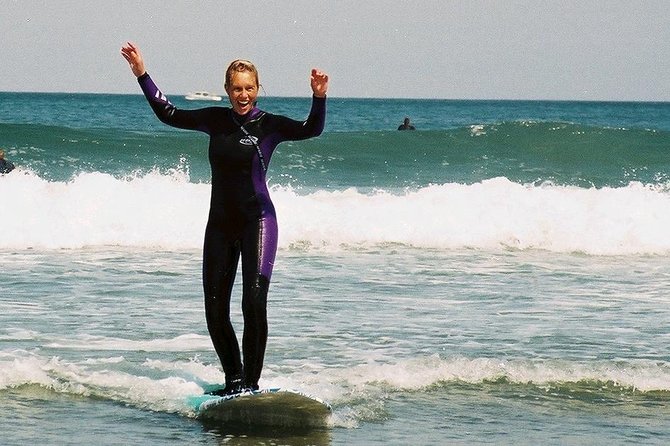
Surfing feels huge until someone shows you the steps. This beginner clinic at Pacifica Beach breaks everything down with patient coaching, small-group attention, and a setup that helps you get to the fun part faster. Instructors you might learn from include Alan, David, and Joao, with an emphasis on safety and making it feel doable.
I like how the lesson starts on land with real ocean awareness: where waves break, how to read conditions, and the etiquette that keeps you and others safe. I also love that you get a lot of water time for a first lesson, with practice on whitewater and shallower areas before you go farther out.
One thing to plan for: this experience depends on good weather, and if conditions are poor you may need to switch dates or get a refund. Also, parking costs aren’t included, so budget for that if you’re driving.
In This Review
- Key highlights worth your attention
- Pacifica Beach: why this kind of spot helps beginners learn fast
- Your 2.5 hours: what happens from arriving to getting on waves
- Land lesson essentials: ocean awareness, safety, and etiquette that matter
- From paddling to pop-up: how the skills are taught step by step
- Whitewater practice: the confidence-building part that actually sticks
- Gear and comfort: wetsuit and surfboard are included
- Price and value: is $139 worth it for a beginner clinic?
- Who should do this surf lesson in Pacifica (and who might want a different plan)
- Practical tips before you go
- Should you book this beginner surf clinic?
- FAQ
- What is included with the beginner surfing lesson?
- How much time will I spend in the water?
- Do I need prior surfing experience?
- What is the minimum age to join?
- Where is the meeting point?
- What happens if the weather is bad or I need to cancel?
Key highlights worth your attention
- Max 8 people per clinic means you’re not lost in a crowd.
- CPR/First-Aid and lifeguard-certified instructors focus on safety from minute one.
- Land lesson first, then shallow whitewater helps you build confidence fast.
- Push-up to pop-up technique practice is taught step by step.
- Wetsuit and surfboard included so you can show up and go.
- Morning or mid-day sessions make it easier to fit into a travel day.
More time on the water, paddle and board

Pacifica Beach: why this kind of spot helps beginners learn fast
Pacifica is one of those coastlines where you can actually make progress without feeling like you’re in the deep end from the first minute. The clinic uses a beginner-friendly plan: you start with wave sections where it’s realistic to catch whitewater and build rhythm. That matters, because the goal in lesson one isn’t to prove you’re fearless. It’s to learn the mechanics and confidence behind staying on your feet.
Another smart part is the instructor mindset. The vibe is purposefully not aggressive or intimidating. You’re there to learn ocean skills, not to survive a social test. If you’re new to surf, that supportive tone makes it easier to listen, ask questions, and try again when a wave doesn’t cooperate.
Your 2.5 hours: what happens from arriving to getting on waves
The whole experience runs about 2 hours 30 minutes. You’ll also want to know how that time breaks down, because beginners often worry they’ll spend most of the class watching.
Here’s the practical flow:
- Setup time on the beach for suiting up and getting onto the right gear and area
- About 30 minutes of land instruction focused on ocean awareness, safety, and technique
- Roughly 1:30 to 2 hours in the water, with time geared toward learning and repeating
That in-water window is a big deal at this price point, because you’re not just doing a quick dip. The clinic is built around repetition: paddling, positioning, pushing up, popping up, then getting another attempt.
You also have a choice of morning or mid-day sessions. If you’re trying to protect your energy for another part of your day, mid-day can be easier. Morning can be great if you want a full travel day ahead after you’re done.
Land lesson essentials: ocean awareness, safety, and etiquette that matter
Before you paddle, you get the stuff that keeps you and everyone else out of trouble. The land lesson covers ocean conditions and wave breaks, plus safety in and out of the water. You’ll also get wave etiquette, which is basically the rules of sharing a space where you’re moving on a moving object.
For a first-timer, etiquette isn’t abstract. It affects where you sit, when you go, and how you react if a wave isn’t the one you thought you’d catch. This is why I think that land time is worth your attention. It turns surfing from random chaos into something that starts to make sense.
Instructors in this program are CPR/First-Aid and lifeguard certified, and that shows in how the teaching is described: safety-conscious, calm, and focused on giving each person a clear path. Several instructors (including Alan, David, and Joao) were praised for being patient and detail-oriented—exactly what you want when you’re learning the basics.
From paddling to pop-up: how the skills are taught step by step
In the water, the clinic’s progression is simple: start where it’s manageable, then grow from there. You begin in shallow areas and ride the whitewater. Whitewater is key because it’s the part of the wave that has already broken—less mysterious, easier to time, and better for building balance.
You’ll work through core techniques:
- Paddling and getting your position
- Push up and pop up from the board
- Riding waves and learning balance as you stand
What I like about this approach is that it reduces the number of things you have to do at once. Beginners often fail because they’re trying to remember everything in the second the wave arrives. Here, you practice on the basics until your body catches up.
Also, instructors are described as staying close and encouraging. That matters because the biggest beginner problem is hesitation. If you’ve ever second-guessed yourself halfway through a new activity, you’ll get why having someone guide you into your next attempt helps.
One review-focused detail that’s especially useful: you can improve quickly enough that some people were standing on their own after one lesson. That doesn’t mean every wave will cooperate, but it suggests the method is effective.




Whitewater practice: the confidence-building part that actually sticks
The first time you catch a wave, it can feel like luck. The clinic tries to turn that into skill. By riding whitewater repeatedly, you learn how the board responds to your feet and how your timing changes as you gain control.
The shallow-area approach also helps you build a relationship with the ocean without feeling overwhelmed. You’re learning what it feels like to:
- get up at the right moment
- stay balanced as the wave carries you
- reset calmly when a ride ends
This is where the best instruction shows up. People praised instructors for being inclusive and supportive, with a focus on individual success. That often means you’re not just hearing generic advice—you’re getting corrections tailored to what your body is doing.
If your goal is to go from complete beginner to someone who can catch and stand, this is the path the clinic uses: whitewater first, then comfortable exploration.
Gear and comfort: wetsuit and surfboard are included
You don’t have to hunt down rentals. The clinic includes all rental gear at no charge, including the wetsuit and surfboard. That’s a real value add because surf gear can eat into your budget fast, especially if you’re only using it for one session.
It also removes friction. On a trip, the easiest activities are the ones where you show up and someone else handles the logistics. Here, the plan is to get you suited up, get you to the right teaching spots, and start coaching.
One small comfort note: people mentioned worrying about being cold and then forgetting about it once the activity got going. I wouldn’t assume that will happen for everyone, but it does suggest the wetsuit setup is taken seriously.
Price and value: is $139 worth it for a beginner clinic?
At $139 per person for about 2 hours 30 minutes, the value comes from what’s bundled. You’re paying for a guided, structured lesson with a certified staff, plus gear included. Parking is not included, but the base price covers taxes, fees, and handling charges, and you’re not paying extra for the wetsuit and board.
Group size matters here. With a maximum of 8 travelers, you should expect more individual attention than you’d get in a large class where the instructor has to shout over the ocean. Reviews also rate the experience highly, with strong marks for patience and safety.
If you’ve been curious about surfing but thought it would be too hard or too intimidating, this price can feel like a fair experiment. You’re not paying for a vague introduction—you’re paying for coaching that targets the exact skills beginners need: ocean awareness, paddling, pop-up technique, and standing on waves.
Who should do this surf lesson in Pacifica (and who might want a different plan)
This experience is aimed at beginners, with a minimum age of 12. It’s a great fit if you’re:
- trying surfing for the first time
- looking for a structured lesson rather than winging it
- want safety-forward instruction with certified staff
- prefer a smaller group experience
It can also suit solo travelers and families who want a hands-on activity with guidance rather than a passive tour.
If you’re highly experienced and looking for advanced maneuvers, you might find the beginner pacing less satisfying. But if you want to build fundamentals correctly—especially safety and etiquette—this clinic is a strong starting point.
Practical tips before you go
A few things will help you get the most out of your session:
- Weather matters. The clinic requires good weather, and poor conditions can lead to a different date or a full refund.
- Bring a flexible mindset. The day has setup time, land training, and then an extended water practice period.
- Arrive ready to get wet. You’ll be in and out as you learn techniques and ride whitewater.
- Plan for parking costs if you’re driving; that part isn’t included.
You’ll receive confirmation at booking and get a mobile ticket. The meeting point is 5000 CA-1, Pacifica, CA 94044, and the tour ends back there.
Should you book this beginner surf clinic?
If your goal is to go from first-time curiosity to actual wave riding basics, I’d book it. The best evidence is in the instruction approach: a safety-first land lesson, then repeated whitewater practice, with instructors praised for patience, detail, and inclusive coaching. The small group size (up to 8) is also a big quality signal.
I’d only hesitate if you’re traveling during a stretch where weather is likely to be rough, since the clinic requires good conditions. And if you hate adding any extra cost for parking, plan for that upfront.
If you want a beginner surf experience that feels guided, structured, and genuinely focused on getting you standing, this Pacifica clinic is an easy yes.
FAQ
What is included with the beginner surfing lesson?
The lesson includes a professional guide, all rental gear at no extra charge (including the wetsuit and surfboard), and all taxes, fees, and handling charges. Parking fees are not included.
How much time will I spend in the water?
You should expect about 1:30 to 2 hours of water time during the roughly 2.5 hour lesson. Setup time and the land lesson are part of the total.
Do I need prior surfing experience?
No. This is a beginner clinic focused on learning basics like ocean awareness, paddling, pop-up technique, and riding whitewater in beginner-friendly areas.
What is the minimum age to join?
The minimum age is 12 years.
Where is the meeting point?
The meeting point is 5000 CA-1, Pacifica, CA 94044. The activity ends back at the meeting point.
What happens if the weather is bad or I need to cancel?
The experience requires good weather. If it’s canceled due to poor weather, you’ll be offered a different date or a full refund. You can cancel for a full refund if you cancel at least 24 hours in advance.
More Tour Reviews in San Francisco
- Muir Woods and Sausalito (Return by Bus or Ferry)★ 4.5 · 5,098 reviews
- Big Bus SF: Hop-on Hop-off Tour with 17 Stops and Sunset Option★ 4.0 · 4,539 reviews
- Napa and Sonoma Wine Country Full-Day Tour from San Francisco★ 4.5 · 4,455 reviews
- Small Group Yosemite and Giant Sequoias Day Trip from San Francisco★ 5.0 · 3,671 reviews
- San Francisco: Golden Gate Bay Cruise★ 4.7 · 3,644 reviews
- San Francisco: Hop-On Hop-Off Sightseeing Tour with 17 Stops★ 4.5 · 3,600 reviews
On the Water: Paddle and Surf
- San Francisco Indoor Skydiving with 2 Flights & Personalized Certificate★ 5.0 · 11 reviews
- Beginner Surf Lessons At Stinson Beach★ 5.0 · 5 reviews
- 2 Hours fun in a Automatic Slingshot★ 5.0 · 4 reviews
- San Francisco Bay Kayak Or Paddle Board Tour★ 4.5 · 4 reviews
- Learn to Paddle Board on the San Francisco Bay!★ 5.0 · 4 reviews
- Learn to Catch and Cook Crab under Golden Gate Bridge SF★ 5.0 · 4 reviews
Just Reviewed: Fresh San Francisco Tours
- Private San Francisco City Tour + Alcatraz (Tickets Incl., Max 6)
★ 5.0 · 3 reviews - San Francisco: North Beach Food and History Walking Tour
★ 5.0 · 3 reviews - San Francisco Bay Cruise and City Combo Tour
★ 3.5 · 3 reviews - San Francisco City Half-Day Private Custom Tour
★ 5.0 · 3 reviews - San Francisco: Muir Woods, Point Reyes, and Meadery Tour
★ 4.2 · 3 reviews - Private Muir Woods and Sausalito Half Day Tour
★ 5.0 · 3 reviews
Kayak, Surf & Water Sports, compared.
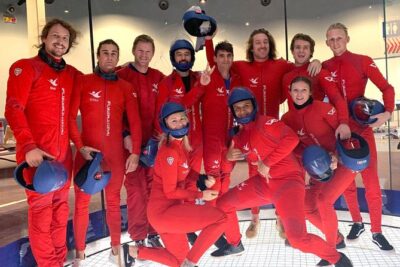 ★ 5.0San Francisco Indoor Skydiving with 2 Flights & Personalized CertificateFrom $12511 reviews
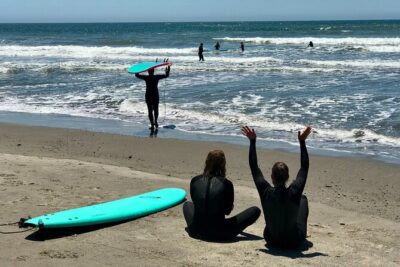 ★ 5.0Beginner Surf Lessons At Stinson BeachFrom $1005 reviews
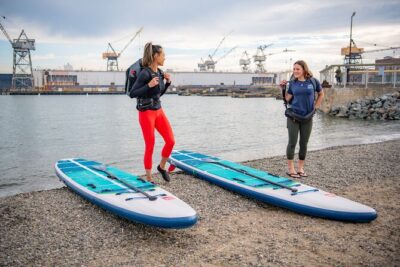 ★ 4.5San Francisco Bay Kayak Or Paddle Board TourFrom $1314 reviews
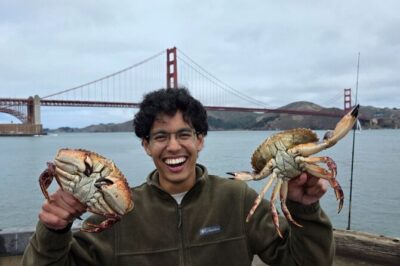 ★ 5.0Learn to Catch and Cook Crab under Golden Gate Bridge SFFrom $1504 reviews
 ★ 5.02 Hours fun in a Automatic SlingshotFrom $1794 reviews
 ★ 5.0Learn to Paddle Board on the San Francisco Bay!From $1314 reviews
Browse the lists this tour appears in