Reviewed · NAPA & SONOMA WINE TOURS
Intro to Wine Tasting with Napa Sommelière
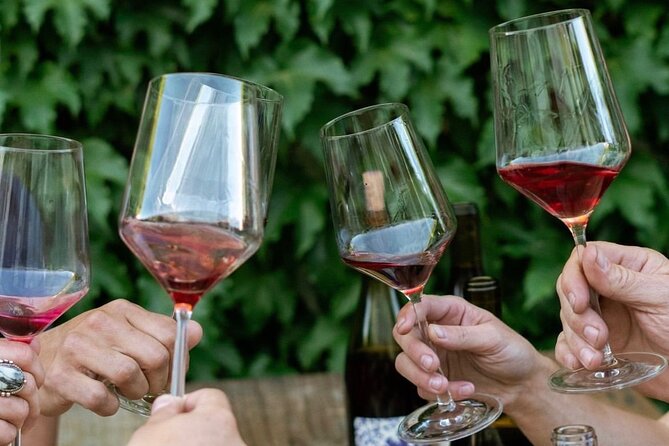
Wine tasting etiquette can feel like a quiz. This 3-hour Napa & Sonoma session turns that stress into something fun, with Elisabeth guiding you through professional tasting technique, how wine is made, and how to pair it with food. I especially like the small group of up to six, and I love that Elisabeth focuses on real conversation skills, not just pouring and nodding.
You’ll do two tasting-room or restaurant stops and enjoy a full flight at each, with snacks included. One possible consideration: the experience relies on smooth on-the-ground logistics, and there can be inconsistencies at the stops (like water/snack setup), so if that matters to you, be ready to speak up early.
In This Review
- Key Points to Know Before You Go
- How This Napa Sommelière Session Changes Your Tasting Game
- Two Stops, Two Flights: What the 3 Hours Actually Feel Like
- A practical note on pacing
- Stop One: Learn the Etiquette and Taste with Purpose
- Palate prep might differ at each stop
- Stop Two: Production Stories and Why Organic vs Biodynamic Matters
- Why the second stop matters for your confidence
- What You’re Learning Beyond Wine: Conversation Skills
- Group Size: Why Six People Changes Everything
- Snacks, Water, and Timing: Small Details That Matter
- Price Value: What’s Included, and What You Might Still Pay
- Who This Tour Suits Best (and Who Might Want Another Option)
- When to think twice
- Tips to Get the Most Out of Your Tasting Flight
- Should You Book This Napa Sommelière Wine Tasting?
- FAQ
- How long is the wine tasting experience?
- Where does the tour start?
- Is the experience offered in English?
- How many wine stops are included?
- Are snacks included?
- Are drinks included?
- What group size should I expect?
- Is there a minimum number of participants?
- Are service animals allowed?
- Does the tour depend on weather?
Key Points to Know Before You Go
- Up to 6 people keeps it conversational, not crowded
- Two tasting stops means two full flights in about 3 hours
- You learn the why behind tasting: method, vocabulary, and etiquette
- Organic vs biodynamic basics show up alongside production stories
- Food pairing fundamentals help you connect wine to what you eat
- Snacks are included, but one tasting-room fee is the responsibility of guests
Another day among the Napa and Sonoma vines
How This Napa Sommelière Session Changes Your Tasting Game
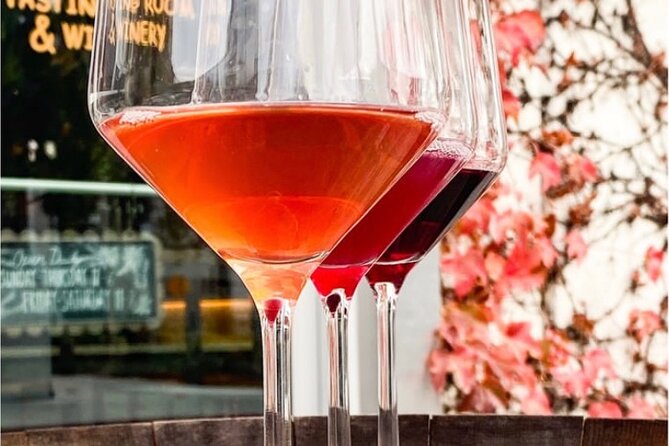
If you’ve ever stood in a tasting room feeling like everyone else already speaks wine, you know the problem: people want to taste, but the etiquette and terminology can feel like a secret code. This tour is built to remove that awkwardness fast. Instead of treating tastings like a performance, Elisabeth teaches you a simple, repeatable approach—what to do with your glass, what to notice, and how to describe what you’re getting without sounding like a robot.
What I like most is the tone. You’re not handed a lecture. You’re walked through technique in a way that helps you use it during the flight. That’s the real value: by the end, you should be able to talk with a sommelier like you belong there—asking sensible questions, noticing differences on purpose, and understanding what might be driving the taste.
This is also the kind of experience that works even if you’re a beginner. Elisabeth’s teaching is aimed at making tasting feel less mysterious and more practical. And if you already know a bit, the pacing can meet you there—because the format is small and personal.
Two Stops, Two Flights: What the 3 Hours Actually Feel Like
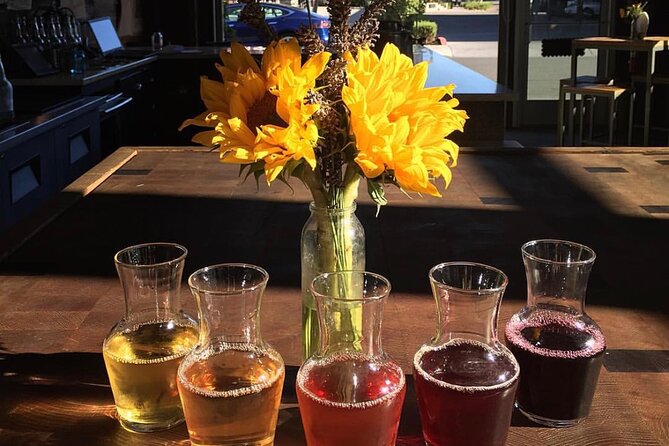
The tour runs about three hours and ends back at the meeting point. You’ll visit two tasting rooms or restaurants, and at each place you’ll enjoy a full flight of wine. That matters because you’re not learning in theory—you’re applying what you’re practicing while you’re tasting.
Between the stops, the “classroom” moves with you. Elisabeth can connect what you’re tasting to how the wine gets made, and she uses the flight itself as the lesson. That’s why this format usually lands better than a single long tasting where you run out of focus before the lesson really clicks.
You also get snacks included. This is more important than it sounds. Tastings can turn into a sugar-and-acid roller coaster if your stomach is empty, and the snacks help you stay present and able to notice subtle differences.
A practical note on pacing
Because you’re tasting multiple wines, expect a steady tempo: observe, taste, discuss, repeat. In a good group, you’ll feel like the time flies. In a messy one, you might feel rushed. The tour’s maximum of six helps a lot here, because Elisabeth can adjust on the fly.
Stop One: Learn the Etiquette and Taste with Purpose
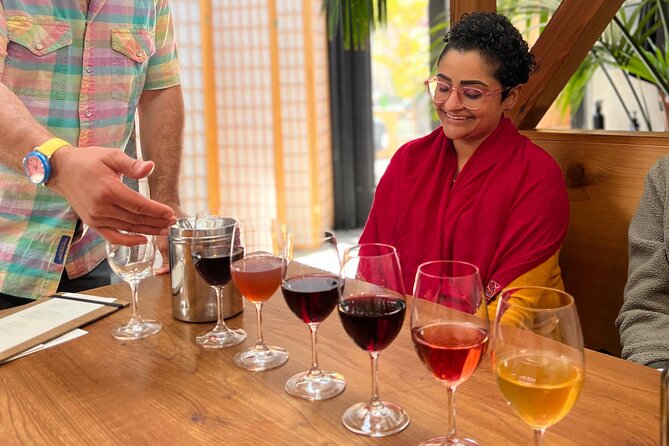
At the first tasting-room stop, the goal is to get you speaking the same language as the people pouring. Elisabeth typically sets you up with the basics you need right away: how to assess wine in a way that’s consistent (so your impressions make sense), plus the etiquette around how to participate.
Think of it like training wheels for tasting:
- You learn what to look for in aroma and flavor
- You learn what to say so it’s useful
- You learn how to ask follow-up questions without freezing
This is where the tour can feel most like a confidence booster. You’re not just drinking. You’re learning a method you can repeat next time you visit Napa or Sonoma. One of the strongest themes from the experience is that Elisabeth is kind, personable, and answers questions in a way that keeps the room relaxed.
Other tables and pours worth the walk

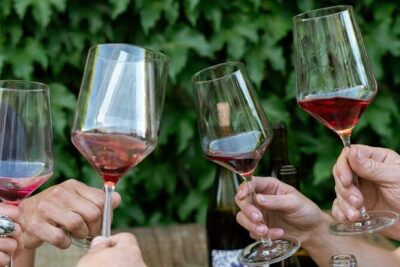
Palate prep might differ at each stop
One detail to keep in mind: one stop may offer water as a palate cleanser, while another may not. If you’re sensitive to strong flavor swings or you like resetting between pours, plan to request what you need early. It’s a small thing, but it can make the tasting feel smoother.
Stop Two: Production Stories and Why Organic vs Biodynamic Matters
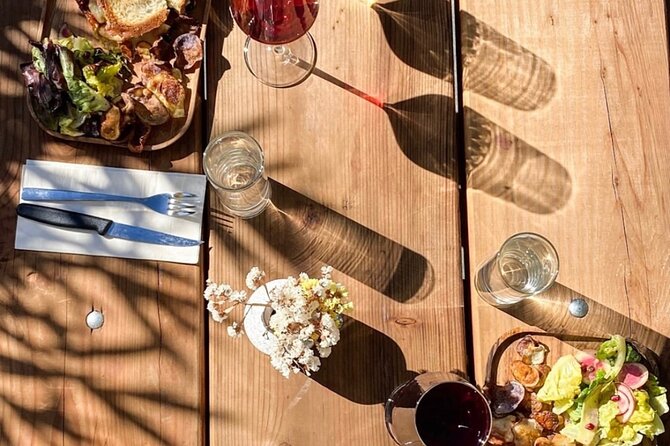
The second stop is where tasting usually turns from “what do I like?” into “what’s driving this?” Elisabeth includes production context—how wines are made, and how farming choices can shape the final glass.
You’ll hear about organic vs biodynamic viticulture, and this isn’t just trivia. The point is to help you connect vineyard practices with what you taste. Biodynamic and organic approaches aren’t the same as adding flavors by hand; they’re about how grapes are grown and cared for, and that can influence vine health, fruit characteristics, and overall style.
From there, the tour brings in food pairing fundamentals. This is a big win for anyone who wants wine to feel relevant to real life, not just a tasting-room event. Pairing is practical: you learn to think in terms of what food and wine do to each other—how to match weight, acidity, and flavor intensity so the pairing doesn’t fall apart.
Why the second stop matters for your confidence
By the time you reach the second flight, you’ve already tasted once with guidance. That means you can compare with intention. You’re more likely to notice patterns and ask better questions—like what style choices might be behind the differences you’re tasting.
What You’re Learning Beyond Wine: Conversation Skills
The best part of this tour isn’t the wine itself (though the flights help). It’s the shift in how you show up in a tasting room afterward.
Elisabeth’s approach is built around helping you have a fuller conversation with a wine professional—meaning:
- You can describe what you’re sensing without overthinking
- You understand enough production basics to ask informed questions
- You learn tasting etiquette so you don’t feel awkward when a pour arrives
Some guides can rattle off terms. Elisabeth’s strength, as seen in how people describe the experience, is connecting those terms to something you can actually use. She also brings a personal style that makes the lesson feel social rather than scripted.
One detail worth noting from the experience: Elisabeth is associated with Napa and has also studied wine making abroad. That combination tends to show up as balanced storytelling—local roots, broader perspective.
Group Size: Why Six People Changes Everything
This tour caps at six travelers, and that’s not just a comfort detail. It’s how you get a real tasting lesson instead of a general talk.
With a small group:
- You can ask questions without waiting for a lull
- Elisabeth can read the room and adjust explanations
- You get more time for your glass and your thoughts
- The tour stays interactive, which helps you remember the method
If you’ve done wine tours where you’re one of 20 people, you know how fast it becomes a money-for-pours scenario. Here, the format supports actual learning.
Snacks, Water, and Timing: Small Details That Matter
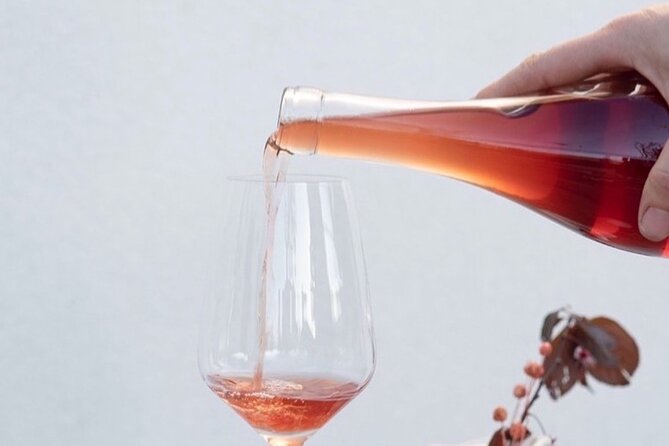
You’ll have snacks included, and that helps keep the experience comfortable. Still, based on how the stops can be handled, you should expect that the comfort setup might not be identical everywhere.
Here are the things I’d plan for:
- You may not get the same palate-cleanser routine at both stops
- Seating can vary, and loud background sound can be distracting
If you’re sensitive to noise or have hearing difficulties, don’t hesitate to ask for a seat where you can actually follow conversation. It’s a simple request that can make the lesson easier to catch.
Also, if you have any concerns about animals, remember this is a tour where service animals are allowed. If barking or animal presence would bother you, it’s smart to mention it in advance so you can plan accordingly.
Price Value: What’s Included, and What You Might Still Pay
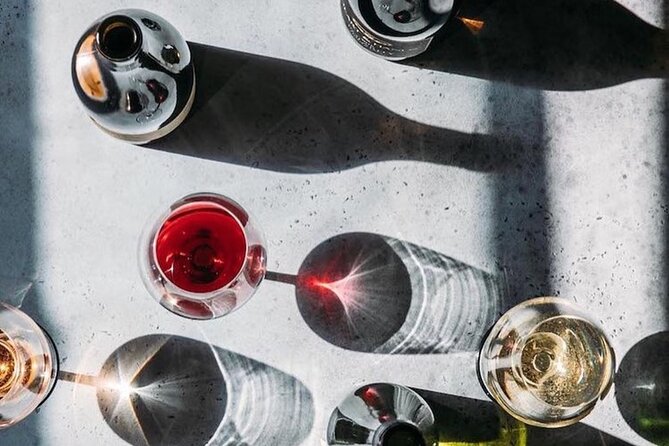
The big value point is that you’re getting:
- Two tasting stops
- Full flights at each
- Snacks included
- A guided lesson on tasting method, etiquette, production basics, and pairing
There’s also one twist that affects your total out-of-pocket spending: one of the tasting-room fees is the responsibility of the guests. So even if the tour price feels like it should cover everything, you should budget for that extra tasting-room charge on your side when you arrive at the stop that requires guest payment.
I like that the tour is transparent about this structure. It also means you’re not stuck paying surprise restaurant add-ons for the sake of filling time—you’re paying for tasting experiences and guidance, and then handling one tasting fee directly where that’s required.
Who This Tour Suits Best (and Who Might Want Another Option)
This is a great fit if you want:
- A guided intro to tasting etiquette
- Help learning wine vocabulary in a usable way
- A more social wine experience where you can ask questions
- A foundation in organic vs biodynamic and pairing basics
You’ll probably love it if you’re:
- New to wine and tired of feeling behind
- A casual wine fan who wants structure
- Someone who wants to feel confident walking into the next tasting room
When to think twice
If you’re the type who expects perfectly uniform operations at every stop—same water setup, same materials for every participant, and zero small hiccups—you might find this tour a little less “polished” than the high-end production you’re imagining. It still teaches well, but it isn’t presented like a machine.
Also, if you need a printed list of every wine you taste to do follow-up research later, you may want to take notes (or photos if that’s allowed). The experience doesn’t clearly promise a comprehensive written wine list for your take-home research.
Tips to Get the Most Out of Your Tasting Flight
Here’s how to make the most of the 3 hours without turning it into homework.
- Arrive ready to learn the basics. Ask your first question early so Elisabeth can set your level.
- Pace your sips. The method matters more than speed.
- Take quick notes during the flight. Even a few words per glass helps you remember what you liked and why.
- Tell Elisabeth what you enjoy now (dry vs sweet, light vs bold, food you love). She can tailor the tasting pace to your comfort level.
- If water or palate resets matter to you, ask early at the first stop so you can keep your palate consistent for the second.
Should You Book This Napa Sommelière Wine Tasting?
I’d book it if your main goal is to learn how to taste and talk wine with confidence. The best reason is the teaching style: Elisabeth is approachable, she tailors the experience to your knowledge base, and she makes the etiquette feel normal instead of intimidating. Add in two full flights and snacks, and the time-to-value tends to feel strong.
I’d hesitate if you need strict consistency in the small logistics details, like identical water/snack setup at every stop, or if you expect a fully packaged take-home list of all wines. In that case, you can still go—just show up with the mindset of learning in the moment, and plan to take your own notes.
If you want a guided Napa/Sonoma introduction that helps you actually participate in tastings afterward, this is a very solid pick.
FAQ
How long is the wine tasting experience?
It lasts about 3 hours.
Where does the tour start?
It starts at Ernest Rota Commons, First Street Napa Mall, Napa, CA 94559, USA.
Is the experience offered in English?
Yes, it’s offered in English.
How many wine stops are included?
You’ll visit two tasting rooms or restaurants.
Are snacks included?
Yes, snacks are included.
Are drinks included?
Yes, alcoholic beverages are included, with wine flights at each stop.
What group size should I expect?
The tour is limited to a maximum of 6 travelers.
Is there a minimum number of participants?
Yes, the minimum is two participants.
Are service animals allowed?
Yes, service animals are allowed.
Does the tour depend on weather?
Yes, it requires good weather. If canceled due to poor weather, you’ll be offered a different date or a full refund.
Forkfuls of Napa and Sonoma, Block by Block
- #1 Sonoma Walking Food, Wine Tasting & History Tour (Public Tour)★ 5.0 · 457 reviews
- Yountville Food and Wine Tour in Napa★ 5.0 · 89 reviews
- Behind-the-Scenes Food and Wine E-Bike Tour★ 5.0 · 68 reviews
- Sonoma Plaza Food and Wine Pairing Tour★ 5.0 · 44 reviews
- Napa’s Downtown Food & Wine Tour★ 4.5 · 37 reviews
- #1 Sonoma Walking Food, Wine Tasting & History Tour (Private)★ 5.0 · 14 reviews
More Tour Reviews in Napa and Sonoma
- Napa Valley Small Group Winery Tour★ 5.0 · 1,009 reviews
- Sonoma Valley Open Air Wine Trolley Tour★ 4.5 · 782 reviews
- Napa Valley Wine Trolley Classic Tour★ 4.5 · 701 reviews
- Hot Air Balloon Rides in Napa Valley★ 4.5 · 592 reviews
- Napa Valley Daily Join In Group Wineries Tour Including Lunch★ 4.5 · 476 reviews
- #1 Sonoma Walking Food, Wine Tasting & History Tour (Public Tour)★ 5.0 · 457 reviews
More Days in Wine Country
- Napa Valley Small Group Winery Tour★ 5.0 · 1,009 reviews
- Sonoma Valley Open Air Wine Trolley Tour★ 4.5 · 782 reviews
- Napa Valley Wine Trolley Classic Tour★ 4.5 · 701 reviews
- Hot Air Balloon Rides in Napa Valley★ 4.5 · 592 reviews
- Napa Valley Daily Join In Group Wineries Tour Including Lunch★ 4.5 · 476 reviews
- #1 Sonoma Walking Food, Wine Tasting & History Tour (Public Tour)★ 5.0 · 457 reviews
Just Reviewed: Fresh Napa and Sonoma Tours
- Sonoma Trike and Mindfulness – 3 hour guided tour
★ 5.0 · 3 reviews - Napa Valley Mountainside Small Group Winery Tour
★ 5.0 · 3 reviews - Napa – Sonoma Limo up to 9 passengers
★ 5.0 · 3 reviews - Affordable and Flexible Napa Wine Tour
★ 5.0 · 3 reviews - Private Chauffeured Winery Tour
★ 4.0 · 4 reviews - Napa Puzzling Adventure
★ 4.5 · 4 reviews
Napa & Sonoma Wine Tours, compared.
 ★ 4.5Napa and Sonoma Wine Country Full-Day Tour from San FranciscoFrom $1654,455 reviews
 ★ 4.5San Francisco Super Saver: Muir Woods & Wine Country w/ optional Gourmet LunchFrom $1793,352 reviews
 ★ 5.0Small-Group Wine Country Tour from San Francisco with TastingsFrom $1791,543 reviews
 ★ 4.7Muir Woods, Napa & Sonoma Valley Wine TourFrom $1661,205 reviews
 ★ 5.0Napa Valley Small Group Winery TourFrom $1511,009 reviews
 ★ 4.5Sonoma Valley Open Air Wine Trolley TourFrom $135782 reviews
 ★ 4.5Napa Valley Wine Trolley Classic TourFrom $135701 reviews
 ★ 5.0Small Group: Ultimate Napa & Sonoma Wine Tour from San FranciscoFrom $179678 reviews
Browse the lists this tour appears in