Reviewed · SAN FRANCISCO FOOD TOURS
Melting Pot of the Mission District Food Tour
Three hours of Mission District food and stories. On this small-group walk, you move from Mission Dolores Park to iconic neighborhood counters for a mix of local bites and clear-cut explanations of how the area has changed. You’ll also stop for a mural-filled landmark building tied to the city’s roots.
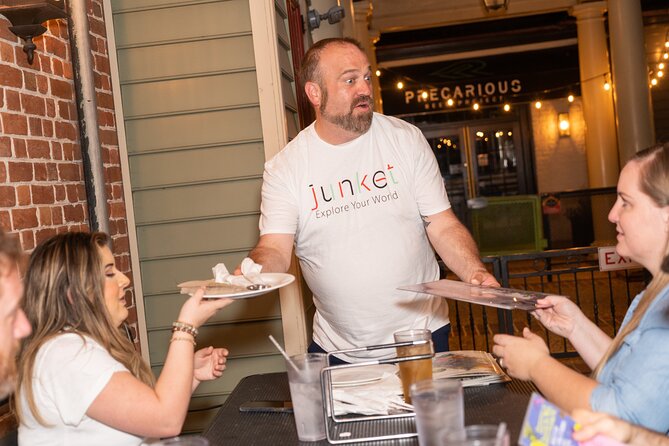
I like how the tour links food to real local questions, like gentrification at Bi-Rite Creamery and fair-trade sustainability at Dandelion Chocolate. I also appreciate the guide team—Michael (and Melody as the helper) keep things lively while still taking time to answer questions and point you toward good plans for the rest of your day.
One possible drawback: you’ll eat a lot over about 2 hours 45 minutes, so come hungry and plan for a fairly active, mostly on-foot route in San Francisco weather. At $93, it’s also a splurge compared with buying items on your own, though the guidance and tastings are part of what you’re paying for.
In This Review
- Key highlights you can plan around
- Starting at Dolores & 19th: getting oriented fast
- Mission Dolores Park: history that sets your route
- Bi-Rite Creamery: dessert plus an honest look at change
- The mural landmark stop: seeing San Francisco through art
- Dandelion Chocolate: sustainability you can taste
- Taqueria El Buen Sabor: street food, real credibility, and stories
- La Copa Loca Gelato: dessert with community impact
- What you’re really paying for: $93 and the value math
- Who this Mission District food walk fits best
- Should you book this Mission District food tour?
- FAQ
- Where does the tour start and end?
- What time does the tour begin?
- How long is the Mission District food tour?
- How many people are in the group?
- Is the tour offered in English?
- What’s included in the tour price?
- What is not included?
- Is free cancellation available?
Key highlights you can plan around
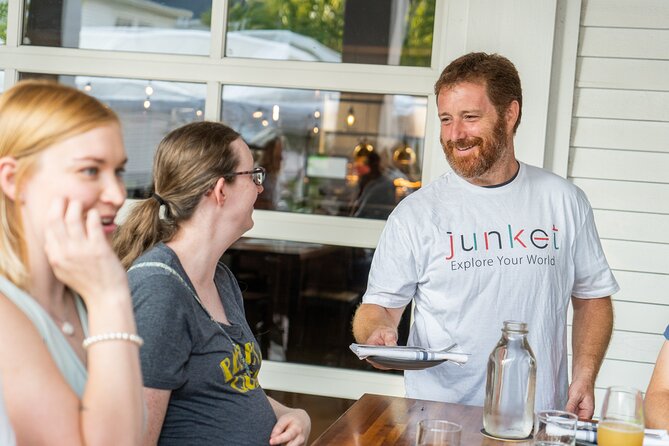
- Small group, more conversation: the tour caps at 13 travelers, so it stays interactive.
- Michael and Melody run the show: expect history that’s explained clearly, plus room for questions.
- Food with a point of view: you’ll hear about neighborhood change, fair trade, and community impact.
- A full, filling lunch: multiple stops include tastings, with street food plus dessert.
- Local recommendations at the end: the guide helps you map out the rest of your Mission Day.
Murals and taquerias, more of the Mission

Starting at Dolores & 19th: getting oriented fast
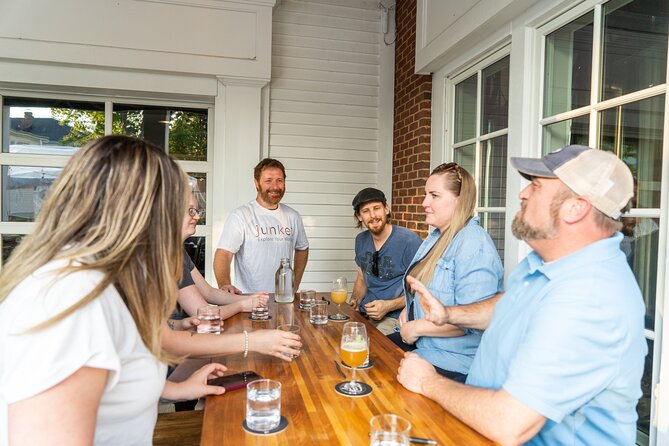
The tour kicks off at Dolores Street & 19th Street, right around where you can easily plug into other transit and neighborhood exploring afterward. Starting at 11:00 am is handy—you’re not stuck doing a late lunch, and you’ll still have plenty of time to continue exploring after you finish back at the same meeting point.
This is a guided walk, not a drive-by tour. That matters in San Francisco because the Mission changes block to block. One minute you’re near Mission Dolores Park, the next you’re around local shops where you can actually see how people live and what they buy. The timing is tight enough to keep moving, but not so rushed that you miss the stories.
You’ll also get that “I can see the neighborhood now” effect. Even the earliest stop isn’t just a warm-up. The guide sets the stage by talking about Mission Dolores Park and how the city took shape—so when you move from park energy to neighborhood storefronts, you’re reading the area with context instead of just looking at it.
Finally, a practical note for planning: it’s offered in English with a mobile ticket. So if you’re the kind of traveler who likes simple logistics, this fits your style.
Mission Dolores Park: history that sets your route
Your first stop is Mission Dolores Park, around 10 minutes. It’s a quick hit, but the way the guide frames it is the key. You’ll hear about the park’s history and how the city came to be, which gives you a mental map for what you’re about to taste and where that food culture fits.
This is also where you get your bearings. Dolores Park sits at a natural crossroads in the Mission, and it’s an easy reference point for understanding the neighborhood’s evolution. Even if you’ve seen photos of the Mission before, you’ll likely notice you’re looking at the same themes in a different way once you understand the background the guide shares.
And because the stops list free admission tickets, you’re not constantly stopping to sort out extra costs just to experience the place. That keeps the focus on the guided walk and the food.
Bi-Rite Creamery: dessert plus an honest look at change
Next up is Bi-Rite Creamery for about 15 minutes. This is one of the stops where you taste food, but you’re really there for the connection between what you eat and who the neighborhood serves.
The guide explains how gentrification is changing local demographics and how the food response shows up on the ground. That’s important in a place like the Mission, where new businesses and shifting clientele can quickly alter what feels accessible. You get a more nuanced picture than the usual tourism story that says everything is just “trendy” now.
What I like about putting this kind of talk here is pacing. You’re not starting the tour with heavy topics. You’re starting with park context, then moving into a neighborhood staple-style place, and only then hearing how those two realities connect. It makes the lessons feel grounded instead of abstract.
It’s also a good stop for questions. With a maximum group size of 13, you can ask follow-ups and still move on. That’s where the guide team quality shows—Michael’s style is informational and responsive, and Melody adds context too, based on what the group wants to know.
The mural landmark stop: seeing San Francisco through art
At one point during the walk, you’ll stop at a building described as an epicenter of San Francisco since the city’s creation. The highlight is the murals, and the guide ties those visuals back to the broader story of the area.
Because the details here are about what you see—murals—and what the guide explains—history anchored in place—this stop works as a breath between tastings. It’s also a reminder that “food tour” doesn’t mean “only food.” In the Mission, art, streets, and storefront choices are all part of the same living story.
This is the kind of stop that’s easy to skip if you’re walking on your own. With a guide, you get the missing context, so you’re not just admiring art—you’re understanding why it’s there and what it represents for people who live nearby.
Still hungry? The city plate by plate
Dandelion Chocolate: sustainability you can taste
Dandelion Chocolate is next, about 20 minutes. This stop leans into the chocolate sustainability movement and the idea that buying local and for fair-trade matters. You also hear a clear, simple message: every ounce purchased helps a family in need.
I like how this lesson is practical. It doesn’t stay in the realm of generic “support local” slogans. The guide explains the impact chain—how what you buy connects to who benefits. In a city where people can talk about ethics a lot, this is the kind of stop where you actually see what ethical purchasing means in action.
This is also a good pause for your taste buds. Chocolate is a natural reset after earlier sweet-treat energy, and it helps you stay awake and engaged without needing more heavy food.
Taqueria El Buen Sabor: street food, real credibility, and stories
Then the tour moves into the core Mission street-food moment: Taqueria El Buen Sabor for about 30 minutes. This is a mom-and-pop tacoeria known locally and also for having hosted celebrity chefs. The guide focuses on authentic Mexican street food and explains the dish’s history and how it gained popularity in the United States.
This stop is often the one people remember because it’s both familiar and specific. You know tacos, sure, but you’re hearing where the style came from and why it spread—so the food feels like part of a larger story, not just a snack stop.
The guide’s approach matters here too. You’re not rushed through a line. There’s time to listen, eat, and ask questions. That Q-and-A energy is part of what makes the tour feel human. Based on what I’d expect from a guide team like Michael and Melody, you’ll probably leave with a few extra cultural context nuggets you didn’t know you wanted.
And yes, you should come hungry. This is a stop that pulls its weight in the amount of food you get as part of the day’s tastings.
La Copa Loca Gelato: dessert with community impact
Finally, you land at La Copa Loca Gelato for about 20 minutes. The focus here is sweet treats, plus how the stand is making a difference for the community. The tour states that food is included, and this stop is the one where gelato is clearly part of what you’ll sample.
This is a smart ending. Gelato is satisfying but not overly heavy, and it gives you a chance to wrap up the tour with something that feels like celebration. The guide’s community-angle framing also leaves you with a more complete sense of the Mission—food as pleasure, but also food as a way neighborhoods support each other.
By the time you reach this part of the route, your “where am I?” questions should be fading. You’re moving through the Mission with a clearer mental map: park context first, neighborhood change next, murals and meaning in the middle, and then sustainability plus street-food culture ending with community-driven sweetness.
What you’re really paying for: $93 and the value math
At $93 per person, this is not a budget tour. In San Francisco terms, though, it can still feel fair because you’re paying for more than snacks.
Here’s what the price covers, based on what’s included:
- A local guide who offers well-researched history
- Multiple stops with outstanding local foods
- Time to eat and ask questions without feeling like a human speedrun
Not included is gratuity and alcohol, so you’ll want to plan for that if you usually tip or if you prefer a drink with dessert.
The best “value” argument is simple: the tour is long enough and food-focused enough to feel like a real meal plus guided context. One of the strongest signals from the experience description is the promise that all tastes equal a good lunch. That’s exactly what it feels like when you string together street food, chocolate, and gelato across a guided route.
And because it’s a small-group experience (maximum 13 travelers), it tends to deliver better interaction than the big bus-style versions.
Who this Mission District food walk fits best
This tour is a great match if you:
- Want Mission District food with context, not just a checklist of places
- Like guided history that helps you understand what you’re seeing on the street
- Enjoy small groups where the guide team can answer questions—especially with Michael and Melody involved
It may be less ideal if you:
- Prefer very light snacking rather than a meal-like pace
- Are sensitive to walking for nearly three hours in mixed weather
- Only want one kind of food experience, since you’ll get a broad mix: dessert, chocolate, tacos, then gelato
Language is English, so if you’re not comfortable there, you might want to look for another option.
Should you book this Mission District food tour?
Yes, I’d book it if you’re going to be in the Mission and you want a single, well-guided way to eat and learn without overplanning. The small group size, the guide team’s responsive style, and the pairing of food with neighborhood change are what make this work.
If you’re on the fence because of price, think of it like this: you’re not just buying bites—you’re buying interpretation, pacing, and local recommendations that help you get more out of the rest of your day.
FAQ
Where does the tour start and end?
It starts at Dolores Street & 19th Street, San Francisco, CA 94114, and it ends back at the same meeting point.
What time does the tour begin?
The start time is 11:00 am.
How long is the Mission District food tour?
It runs about 2 hours 45 minutes.
How many people are in the group?
The maximum group size is 13 travelers.
Is the tour offered in English?
Yes, it’s offered in English.
What’s included in the tour price?
The tour includes a local guide, well researched history, and outstanding local foods. Food is included during the tour, with tastings across the stops.
What is not included?
Gratuity and alcoholic drinks are not included.
Is free cancellation available?
Yes. You can cancel up to 24 hours in advance for a full refund.
More Tour Reviews in San Francisco
- Muir Woods and Sausalito (Return by Bus or Ferry)★ 4.5 · 5,098 reviews
- Big Bus SF: Hop-on Hop-off Tour with 17 Stops and Sunset Option★ 4.0 · 4,539 reviews
- Napa and Sonoma Wine Country Full-Day Tour from San Francisco★ 4.5 · 4,455 reviews
- Small Group Yosemite and Giant Sequoias Day Trip from San Francisco★ 5.0 · 3,671 reviews
- San Francisco: Golden Gate Bay Cruise★ 4.7 · 3,644 reviews
- San Francisco: Hop-On Hop-Off Sightseeing Tour with 17 Stops★ 4.5 · 3,600 reviews
Eat San Francisco: More Food Walks
- San Francisco Authentic Food Tour with 5 Locals Favorites Dishes★ 5.0 · 852 reviews
- San Francisco: Chinatown Culinary Walking Tour★ 4.8 · 265 reviews
- San Francisco: North Beach and Little Italy Food Tour★ 4.8 · 188 reviews
- Mission District Food Tour: Appetizers, Entrée and Dessert★ 5.0 · 182 reviews
- Exclusive North Beach Food Tour in San Francisco★ 5.0 · 162 reviews
- SF’s Chinatown: Tea & Dim Sum Food Tour – Includes full meal, 3hr★ 5.0 · 153 reviews
Murals and Tacos: The Mission
- Mission District Food Tour: Appetizers, Entrée and Dessert★ 5.0 · 182 reviews
- San Francisco: Mission District Food Tour with 6 Tastings★ 4.9 · 104 reviews
- Mission District Food Tour★ 5.0 · 69 reviews
- Mission District Food and Culture Walking Tour★ 4.5 · 47 reviews
- San Francisco: Mission District Walking Food Tour★ 4.8 · 22 reviews
- Mission 18th Street San Francisco Food Tour★ 4.5 · 15 reviews
Just Reviewed: Fresh San Francisco Tours
- Private San Francisco City Tour + Alcatraz (Tickets Incl., Max 6)
★ 5.0 · 3 reviews - San Francisco: North Beach Food and History Walking Tour
★ 5.0 · 3 reviews - San Francisco Bay Cruise and City Combo Tour
★ 3.5 · 3 reviews - San Francisco City Half-Day Private Custom Tour
★ 5.0 · 3 reviews - San Francisco: Muir Woods, Point Reyes, and Meadery Tour
★ 4.2 · 3 reviews - Private Muir Woods and Sausalito Half Day Tour
★ 5.0 · 3 reviews
San Francisco Food Tours, compared.
 ★ 5.0San Francisco Authentic Food Tour with 5 Locals Favorites DishesFrom $87852 reviews
 ★ 4.8Chinatown Culinary Walking TourFrom $84265 reviews
 ★ 4.8North Beach and Little Italy Food TourFrom $84188 reviews
 ★ 5.0Mission District Food Tour: Appetizers, Entrée and DessertFrom $115182 reviews
 ★ 5.0Exclusive North Beach Food Tour in San FranciscoFrom $115162 reviews
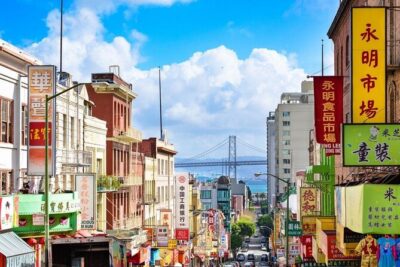 ★ 5.0SF’s Chinatown: Tea & Dim Sum Food Tour – Includes full meal, 3hrFrom $99153 reviews
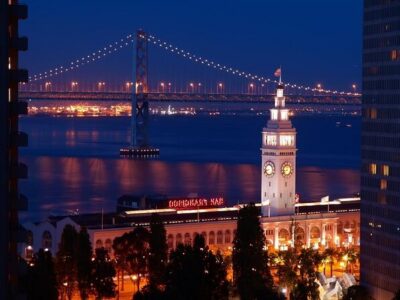 ★ 4.5San Francisco Combo: Ferry Building Food Tour and AlcatrazFrom $181152 reviews
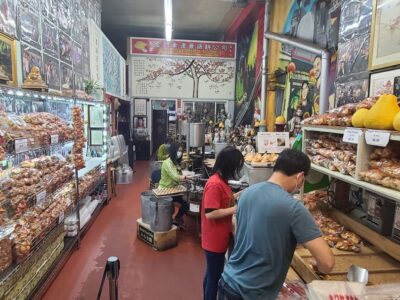 ★ 4.8Food Walking Tour of Chinatown & North BeachFrom $94148 reviews
Browse the lists this tour appears in