Reviewed · SAN FRANCISCO FOOD TOURS
San Francisco: Mission District Food Tour with 6 Tastings
Six bites, and suddenly you get the neighborhood. This Mission District food tour connects street art with what people actually eat, guided by a local who ties flavors to the community’s immigrant history. I like that it’s not just a snack run. You also walk the blocks where the stories show up in murals, storefronts, and long-running bakeries.
I particularly love the six tastings approach, because it keeps momentum and makes it easy to compare styles of Mission food in one outing. The stops also include favorites like a Mission-style baby burrito, Filipino-Mexican fusion tocino, and traditional Mexican sweet bread, with a reveal for a secret signature dish at the end.
One consideration: this is a fair amount of walking and it is not suitable for wheelchair users or people with mobility impairments. There’s also a dietary limit—gluten-free diets can’t be accommodated—so plan ahead if you need special meals.
In This Review
- Key things to know before you go
- Mission District food and mural storytelling in 3 hours
- Price and value: is $90 worth your stomach?
- Meeting with the orange umbrella and pacing tips
- Stop 1: artisan focaccia square to start strong
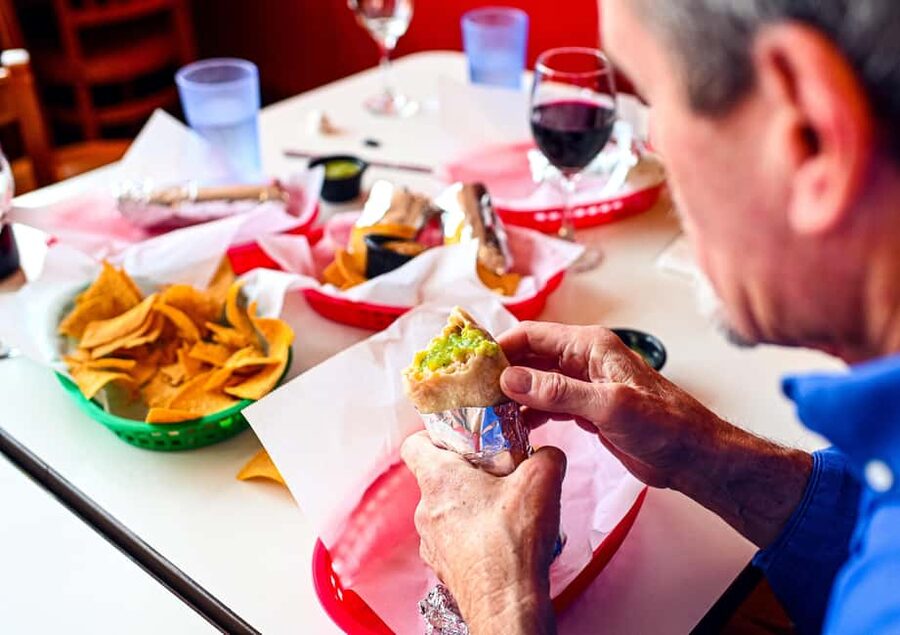
- Stop 2: the Mission-style baby burrito
- Stop 3: tocino taco and the Filipino-Mexican fusion angle
- Stop 4: traditional Mexican sweet bread for the sugar reset
- The secret signature dish and small-batch chocolate moment
- The murals and immigrant stories that make the food stick
- What to bring, and what to expect when plans shift
- Who this Mission District tour suits best
- Should you book the Mission District food tour?
- FAQ
- How long is the tour, and how many tastings do you get?
- What’s the price per person?
- Where do we meet the guide?
- What food is included on the tour?
- Is the secret signature dish revealed during the tour?
- Can the tour accommodate gluten-free diets?
- What if I have another dietary requirement?
- What should I bring?
- Is transportation included?
- Is this tour wheelchair accessible?
Key things to know before you go
- Meet up with an orange umbrella so you can spot your guide fast
- 6 tastings in 3 hours, starting with artisan focaccia
- Mission-style baby burrito plus a Filipino-Mexican tocino taco
- Traditional Mexican sweet bread for a proper sugar break
- Secret signature dish revealed during the tour, so you stay curious
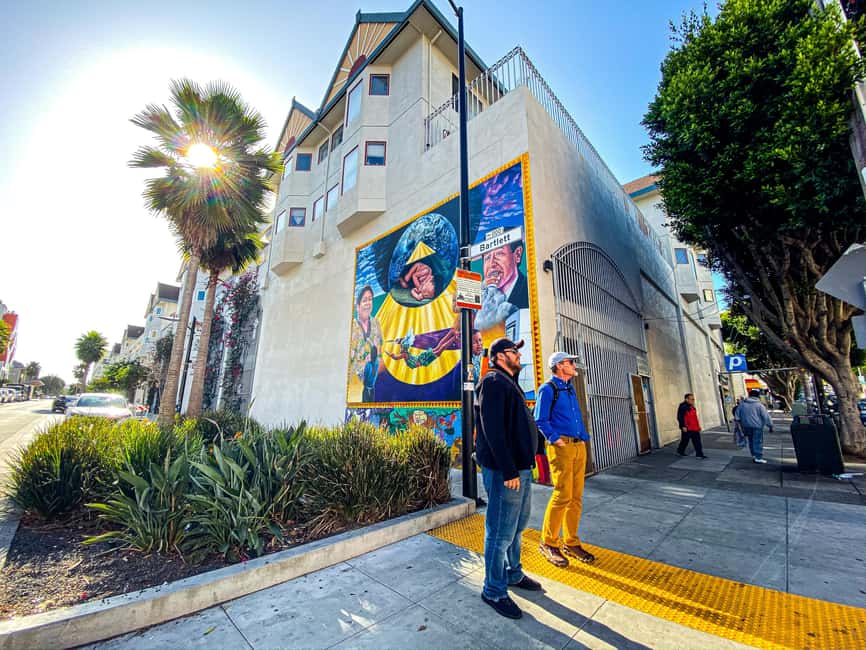
- Murals and street art walkthrough, with stories about the neighborhood’s immigrant roots
Murals and taquerias, more of the Mission
Mission District food and mural storytelling in 3 hours
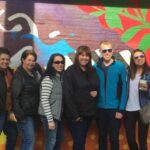
This tour works because it treats Mission District eating like culture, not just calories. You’re walking through a neighborhood that has always had waves of immigrants, then layers of Latino identity, and a strong visual voice in public art. The guide links what you’re eating to why it ended up in the mix—who brought it, how it changed, and why locals still care.
The schedule is tight in a good way. At 3 hours, you get enough time to eat 6 items without feeling like you’re in line forever, and you can still absorb the murals and street scenes along the way. You’re moving block to block, which matters here. You’ll notice details you’d miss if you only stopped at a restaurant and called it a day.
Another plus: the tour has a live English guide and a clear format—snack, story, walk, repeat. Guides you might get include people like Dara and Mark, and also names like Zachary, Harrison, Mike, and Corey. Whoever leads your group, the common thread is connecting food choices to local history and day-to-day community life.
Price and value: is $90 worth your stomach?
At $90 per person for about 3 hours and 6 tastings, the math usually works out best if you actually want the guide component. Without that storytelling, a half-day food crawl can be done on your own. With it, you’re paying for the shortcut: someone else knows where to go, what’s worth tasting, and how each stop connects to the Mission’s character.
Also, these aren’t random snacks. You’re starting with artisan focaccia, then getting into iconic Mission formats like the baby burrito. You’re also getting a Filipino-Mexican fusion taco (tocino) and Mexican sweet bread—so you’re not just repeating one flavor profile. Add in the reveal of a signature secret dish and there’s a real “what will it be?” element that helps the tour feel more than just check-the-box eating.
To make the value feel even better, go hungry and plan your meal timing. If you try to “top off” before the tour, you’ll feel stuffed early and lose the joy of tasting slowly.
Meeting with the orange umbrella and pacing tips
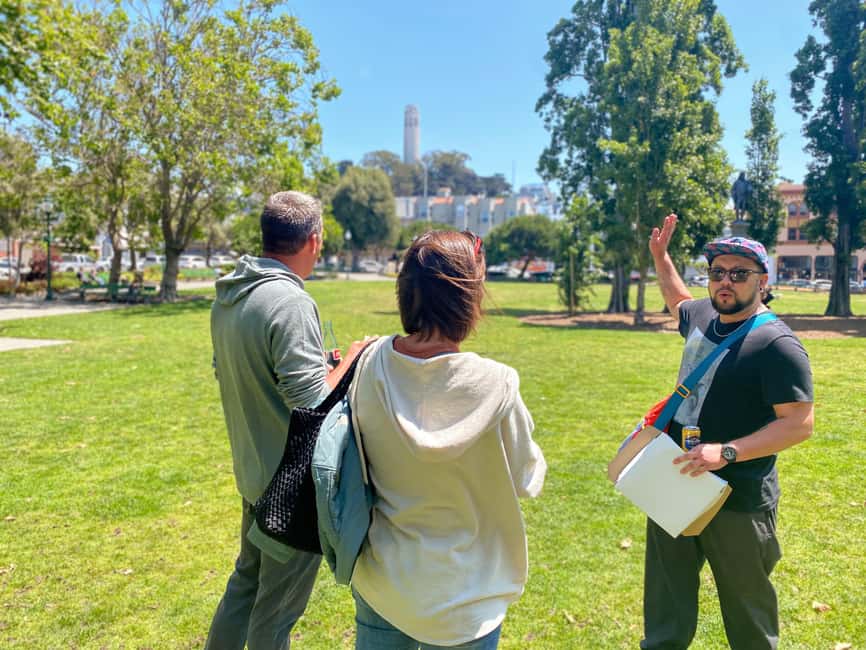
Your guide meets you standing there with an orange umbrella. That’s a simple detail, but it’s worth taking seriously on a city full of street corners. Once you’re matched with your group, the guide sets a steady pace: enough time to eat comfortably and still keep moving to the next spot.
Wear comfortable shoes. You’ll walk a fair amount, and this tour isn’t designed for rolling slowly or frequent sit-down breaks. If you’re the type who always wants photos, bring your camera too, but don’t get stuck sprinting ahead for every mural. The best mural stories usually come when you’re not too far from the group.
One more practical angle: your itinerary and menu can change depending on availability and weather. That’s normal for small local businesses. The guide should still deliver the same overall structure—focaccia, burrito, the tocino taco, sweet bread, and the secret signature dish—just with minor substitutions if needed.
Stop 1: artisan focaccia square to start strong
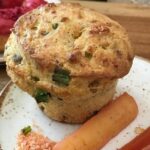
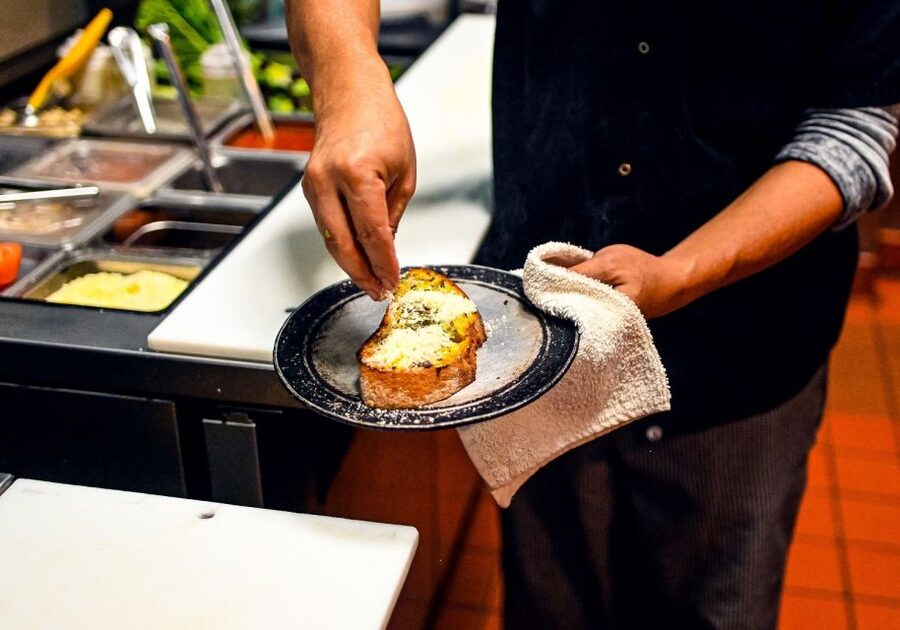
You begin with an artisan focaccia square, freshly baked at a well-loved Mission District bakery. This first bite matters. Focaccia isn’t just bread; it’s a warm-up that sets expectations for the rest of the tour—soft inside, crisp edges, and enough flavor to make you pay attention before you get into heavier items.
It’s also smart pacing. Early bread helps you settle in so you can focus on the rest: comparing burrito styles, tasting the sweet-savory balance in the tocino taco, and saving room for dessert.
If you’re thinking about taste, notice the texture contrast. Focaccia makes a great “anchor” because later stops are more defined: handheld, sauced, or filled. Starting with bread makes all of those differences easier to register.
Still hungry? The city plate by plate
Stop 2: the Mission-style baby burrito
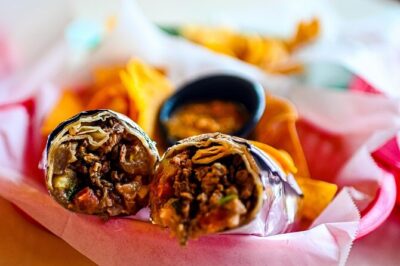
Next up is a Mission-style baby burrito, a San Francisco favorite. This is the part of the tour where you learn what locals mean when they say a burrito is not just a burrito. The point is format and flavor balance—how it’s wrapped, how it’s portioned, and how it’s meant to be eaten street-side without fuss.
A baby burrito also helps the tour work. You can taste one without losing your whole appetite for later. That’s why this stop is key for value: you get the most iconic Mission item without turning the tour into a single long burrito binge.
When you taste it, don’t rush. Take a second bite and pay attention to what hits first: tortilla texture, filling balance, and sauces. The guide’s job is to explain why these choices became standard in the Mission and how that connects to the neighborhood’s evolution over time.
Stop 3: tocino taco and the Filipino-Mexican fusion angle
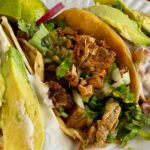
Then you get the Filipino-Mexican fusion taco (tocino)—a real standout because it reflects the Mission District’s ongoing food cross-pollination. Tocino is a familiar sweet-salty profile in Filipino food, and here it’s adapted into a taco format that feels right at home in the Mission.
This stop is where I’d expect you to learn something new even if you call yourself a burrito expert already. Fusion food only works when it’s done with intention. The guide’s storytelling is helpful here because it explains how communities influence each other, not just what to eat.
Practical tip: if you’re sensitive to sweetness or you usually avoid it, this taco can still be a win. Try the first bite like a sampler. If it’s too sweet for you, you may still enjoy the rest of the tour enough to make it worth staying the course.
Stop 4: traditional Mexican sweet bread for the sugar reset
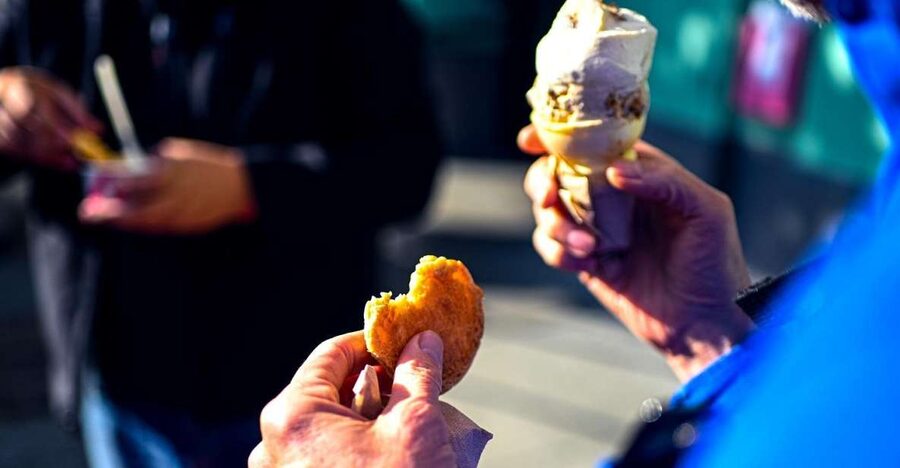
After savory, comes the traditional Mexican sweet bread from a long-standing neighborhood bakery. This is more than dessert. It’s a palate reset, and it keeps the tour from feeling like one long salty sprint.
Sweet bread also helps the tour tell a bigger story about what “Mission food” means day to day. Bakeries are social anchors in a lot of neighborhoods, and the Mission is no exception. Seeing the tradition through a baked good gives you an easy, edible understanding of continuity.
When you take a bite, note the aroma and texture. Sweet bread is usually more fragrant and softer than American-style pastries, and that’s why it’s a good closing act before the secret stop.
The secret signature dish and small-batch chocolate moment
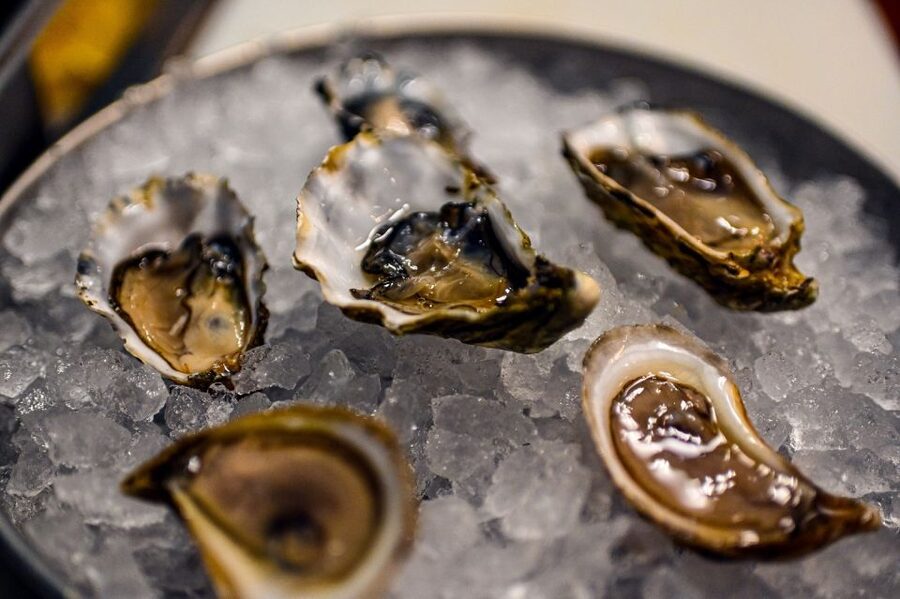
By the end, you get the secret signature dish—revealed only during the tour. That mystery is part of why the pacing feels fun instead of scripted. You keep walking because you know there’s one last surprise waiting.
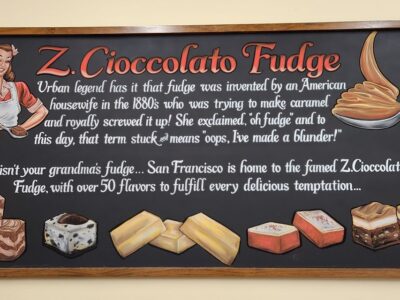
The highlights also mention small-batch chocolate, so plan for a treat moment near the end. Chocolate is a smart fit for this tour’s format: it rounds out the savory flavors, and it’s easy for a guide to explain how local shops think about ingredients and craft.
Since the exact secret dish isn’t listed in advance, your best move is to keep your expectations flexible. If you’re the type who wants to plan every bite like a menu spreadsheet, this tour might feel different. If you’re okay with surprise, it turns the final stop into the memory you’ll talk about later.
The murals and immigrant stories that make the food stick
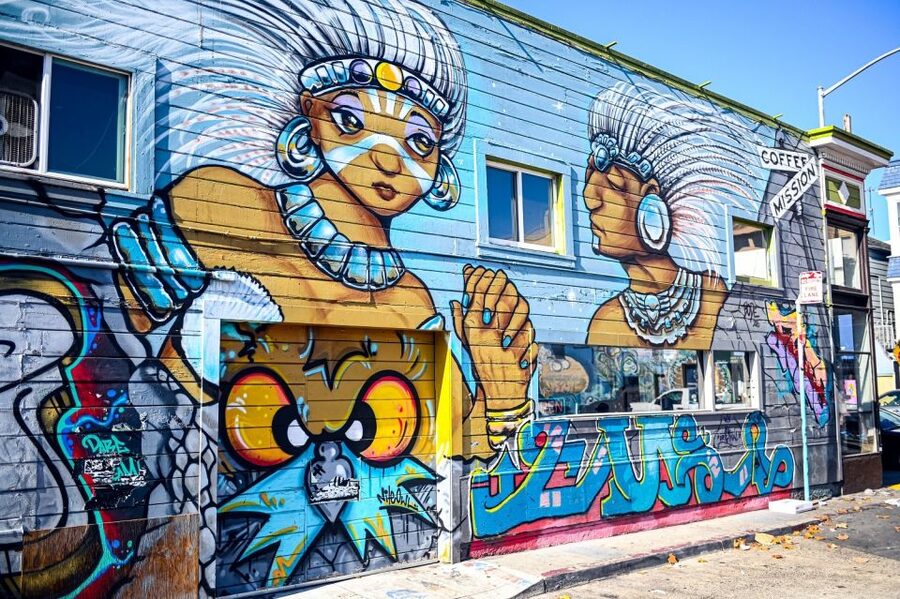
A lot of food tours list “history.” This one connects it to real street scenes. As you walk past colorful murals and street art, you’ll hear stories about the neighborhood’s immigrant background, including the early Irish, German, and Italian roots, and then how Latino culture became central in the Mission.
Why that matters: food travels with people, and it changes when it meets new communities. You don’t just taste one style. You taste layers—how tastes get adopted, adapted, and repeated until they become “the normal choice” for locals.
The guide also points out meaningful details you’d likely skip on your own. One useful detail from past groups: people like Harrison have called attention to specific neighborhood features that even locals found interesting. That’s the key skill here—turning ordinary street corners into context for what you’re eating.
If you’re into art, this part is a bonus. If you’re into history, it’s the connective tissue. And if you’re only into food, the stories still help because they explain why certain ingredients and styles became expected in this neighborhood.
What to bring, and what to expect when plans shift
This tour asks for simple basics: comfortable shoes and a camera if you want to capture the murals and the food stops. Wear layers if you run hot or cold in San Francisco, because weather can shift quickly over a few hours.
The tour also notes that the itinerary and menu may change based on availability and weather. That’s not a red flag. It’s normal when you rely on specific local bakeries and taquerias that may have limited inventory.
Also be aware of dietary rules:
- The tour cannot accommodate gluten-free diets.
- If you have another dietary requirement, contact in advance so they can cater as best as possible.
Who this Mission District tour suits best
This is a strong fit if you want a neighborhood experience, not just a meal. I’d especially recommend it for:
- Food lovers who like comparing formats: burrito style, taco style, and bakery sweets
- People who care about immigrant stories and how they show up in daily life
- Anyone who enjoys street art and wants a guide to explain why murals matter
- First-time visitors to San Francisco who want a “different side of the city” than the usual landmarks
It’s not the best choice if you have mobility limitations or need wheelchair access. The walking portion is substantial.
Also consider it if you like your schedule flexible. Since menu and itinerary can shift, it’s better for travelers who roll with minor changes rather than people who want rigid certainty.
Should you book the Mission District food tour?
I think you should book it if you want maximum local flavor with context in just 3 hours. The price feels fair when you add up the guide-led history, the focus on multiple Mission styles, and the payoff of that secret signature dish plus small-batch chocolate.
Skip it if your day is built around minimal walking, if you need gluten-free options, or if you strongly prefer to choose your own restaurants rather than follow a planned sequence.
If you decide to go, do one small thing that helps a lot: arrive hungry, wear good shoes, and let the mural stops slow you down just enough to notice what the guide is pointing out. That’s when the food story stops being background and starts making sense.
FAQ
How long is the tour, and how many tastings do you get?
The tour lasts about 3 hours and includes 6 tastings.
What’s the price per person?
It costs $90 per person.
Where do we meet the guide?
You’ll meet your guide at the meeting point where they are standing with an orange umbrella.
What food is included on the tour?
You’ll get artisan focaccia, a Mission-style baby burrito, traditional Mexican sweet bread, a Filipino-Mexican fusion taco (tocino), and the secret signature tour dish. The experience also highlights small-batch chocolate.
Is the secret signature dish revealed during the tour?
Yes. The signature dish is revealed only during the tour.
Can the tour accommodate gluten-free diets?
No. Gluten-free diets can’t be accommodated on this tour.
What if I have another dietary requirement?
Contact the tour in advance for dietary needs so they can cater as best as possible.
What should I bring?
Bring comfortable shoes and a camera if you want photos.
Is transportation included?
No, transportation to and from your accommodation is not included.
Is this tour wheelchair accessible?
No. It is not suitable for people with mobility impairments or wheelchair users.
More Tour Reviews in San Francisco
- Muir Woods and Sausalito (Return by Bus or Ferry)★ 4.5 · 5,098 reviews
- Big Bus SF: Hop-on Hop-off Tour with 17 Stops and Sunset Option★ 4.0 · 4,539 reviews
- Napa and Sonoma Wine Country Full-Day Tour from San Francisco★ 4.5 · 4,455 reviews
- Small Group Yosemite and Giant Sequoias Day Trip from San Francisco★ 5.0 · 3,671 reviews
- San Francisco: Golden Gate Bay Cruise★ 4.7 · 3,644 reviews
- San Francisco: Hop-On Hop-Off Sightseeing Tour with 17 Stops★ 4.5 · 3,600 reviews
Eat San Francisco: More Food Walks
- San Francisco Authentic Food Tour with 5 Locals Favorites Dishes★ 5.0 · 852 reviews
- San Francisco: Chinatown Culinary Walking Tour★ 4.8 · 265 reviews
- San Francisco: North Beach and Little Italy Food Tour★ 4.8 · 188 reviews
- Mission District Food Tour: Appetizers, Entrée and Dessert★ 5.0 · 182 reviews
- Exclusive North Beach Food Tour in San Francisco★ 5.0 · 162 reviews
- SF’s Chinatown: Tea & Dim Sum Food Tour – Includes full meal, 3hr★ 5.0 · 153 reviews
Murals and Tacos: The Mission
- Mission District Food Tour: Appetizers, Entrée and Dessert★ 5.0 · 182 reviews
- Mission District Food Tour★ 5.0 · 69 reviews
- Mission District Food and Culture Walking Tour★ 4.5 · 47 reviews
- San Francisco: Mission District Walking Food Tour★ 4.8 · 22 reviews
- Mission 18th Street San Francisco Food Tour★ 4.5 · 15 reviews
- San Francisco Castro Mission Loop Tour★ 5.0 · 12 reviews
Just Reviewed: Fresh San Francisco Tours
- Private San Francisco City Tour + Alcatraz (Tickets Incl., Max 6)
★ 5.0 · 3 reviews - San Francisco: North Beach Food and History Walking Tour
★ 5.0 · 3 reviews - San Francisco Bay Cruise and City Combo Tour
★ 3.5 · 3 reviews - San Francisco City Half-Day Private Custom Tour
★ 5.0 · 3 reviews - San Francisco: Muir Woods, Point Reyes, and Meadery Tour
★ 4.2 · 3 reviews - Private Muir Woods and Sausalito Half Day Tour
★ 5.0 · 3 reviews
San Francisco Food Tours, compared.
 ★ 5.0San Francisco Authentic Food Tour with 5 Locals Favorites DishesFrom $87852 reviews
 ★ 4.8Chinatown Culinary Walking TourFrom $84265 reviews
 ★ 4.8North Beach and Little Italy Food TourFrom $84188 reviews
 ★ 5.0Mission District Food Tour: Appetizers, Entrée and DessertFrom $115182 reviews
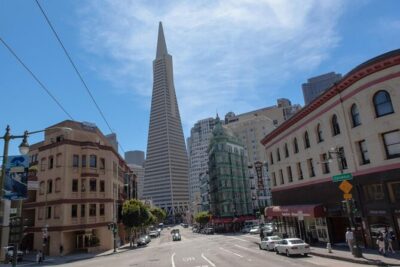 ★ 5.0Exclusive North Beach Food Tour in San FranciscoFrom $115162 reviews
 ★ 5.0SF’s Chinatown: Tea & Dim Sum Food Tour – Includes full meal, 3hrFrom $99153 reviews
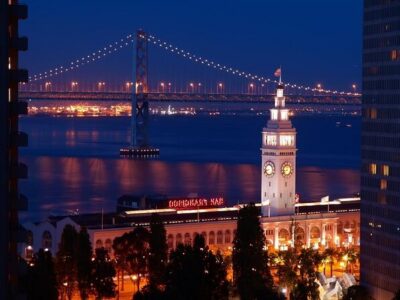 ★ 4.5San Francisco Combo: Ferry Building Food Tour and AlcatrazFrom $181152 reviews
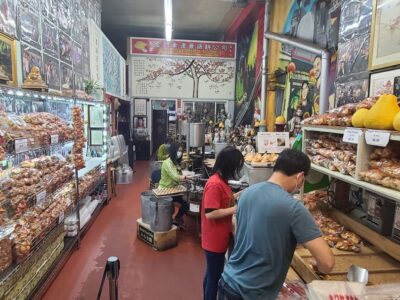 ★ 4.8Food Walking Tour of Chinatown & North BeachFrom $94148 reviews
Browse the lists this tour appears in