
Reviewed · SAN FRANCISCO FOOD TOURS
San Francisco: Mission District Food & History Walking Tour
Food with backstory hits different in San Francisco. This Mission District tour pairs Mission Dolores landmarks with Oaxacan-style bites and real neighborhood stories. I love the stop at Mission San Francisco de Asís, including the chapel gardens and the city’s only cemetery. I also love the food flow, especially the Café de Olla tasting where everything is made from scratch.
One thing to consider: it’s a long walk (about 210 minutes) and the route stays centered on the Mission. If you’re hoping to cover a wider slice of San Francisco beyond the Mission, you may feel a lot of the time is spent in this one area—one past guest put it plainly.
In This Review
- Key things you’ll get from this Mission District tour
- Mission District in 210 minutes: a food-first way to learn the neighborhood
- Start at Mission San Francisco de Asís: the most important Mission stop
- Mission Dolores Park and the Golden Fire Hydrant: history you can point at
- Café de Olla tasting: Oaxacan-style comfort food with a stop for real conversations
- Mission Street architecture and shops: where the past sits next to the present
- The 24th Street food strip: eight blocks of choice and constant momentum
- Balmy Alley murals at the finish: art with a political spine
- Guide impact: why Joseph-style storytelling makes it feel personal
- How to decide if this is the right fit for you
- Should you book? My practical take
- FAQ
- Where does the tour start?
- How long is the tour?
- What food is included?
- Is there an entrance fee included?
- Is the tour in English?
- What should I bring?
- Can I cancel and get a full refund?
- Does it offer reserve and pay later?
Key things you’ll get from this Mission District tour
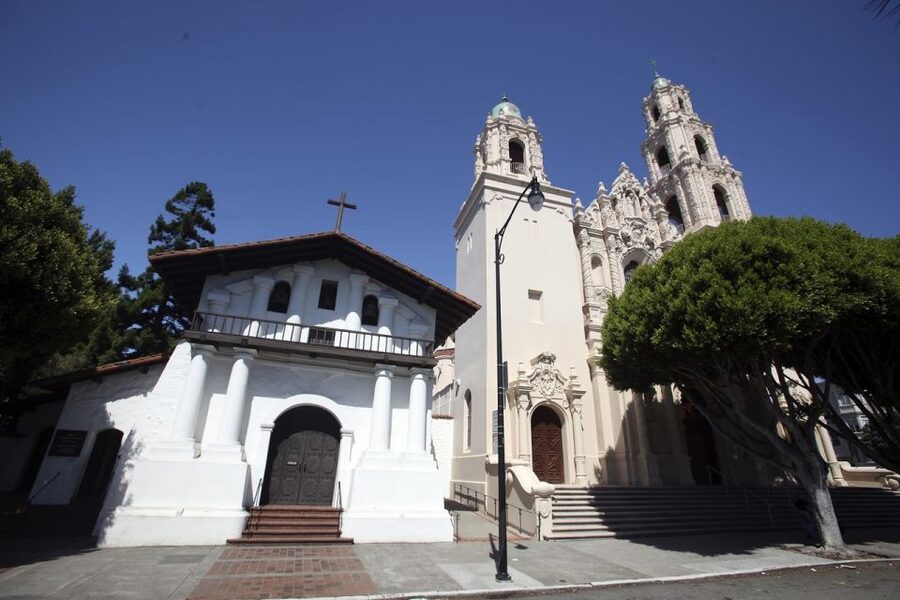
- Mission San Francisco de Asís as your launch point with chapel gardens and the only cemetery inside city limits
- The Golden Fire Hydrant at Mission Dolores Park, tied to the 1906 earthquake story
- Café de Olla food tasting with Oaxacan-style dishes like tamales, tlayudas, tortillas, and more
- A long food stretch on Mission Street and 24th Street with shops, theatres, and lots of choices
- Balmy Alley murals with political and human-rights themes in Central America
- A local guide feel—many tours are led by locals like Joseph, who brings personal stories to the stops
Murals and taquerias, more of the Mission

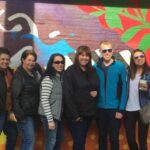
Mission District in 210 minutes: a food-first way to learn the neighborhood
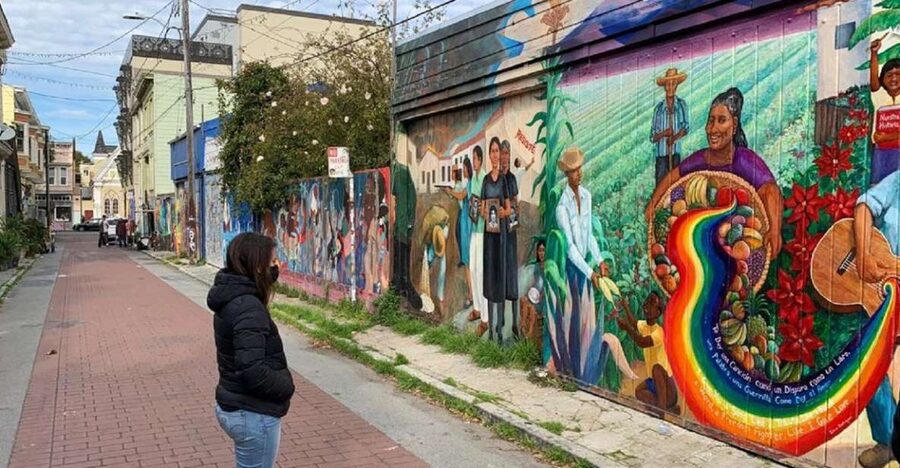
This tour works because it doesn’t treat the Mission District like a museum. It connects the sights—chapel, park, streets, and murals—to what people actually ate, built, and argued for over time. You start with a major landmark, then move to the park that holds layers of history, then you eat, and only then you walk the streets where the community’s visual voice is loudest.
At $99 per person, the price makes more sense when you factor in what’s included: the guided walking tour, entrance to Mission San Francisco de Asís, and two food tastings (one at Café de Olla, and a second tasting choice like tacos, pastry, or coffee). You’re not just paying for commentary—you’re paying for time with a guide and meals that anchor the storytelling.
Because the whole experience runs about 210 minutes, plan to treat it like a proper half-day walk. Bring comfortable shoes and dress for weather that matches your day. If you’d rather snack occasionally and spend less time on your feet, consider shorter food tours instead.
Start at Mission San Francisco de Asís: the most important Mission stop
You meet your guide in front of Misión San Francisco de Asís—often called Mission Dolores. This is where the tour’s “why” starts. Mission buildings aren’t just pretty architecture; they’re roots. And this one comes with details that make it feel unusually close to San Francisco’s earlier days.
Expect to spend time at the chapel and in the chapel gardens, and you’ll learn how this site became central to the area’s story. The tour also highlights something you might not expect: the chapel complex includes the only cemetery within San Francisco city limits. That detail alone is worth showing up for, because it changes how you think about the neighborhood. Instead of only street-level life, you get a human timeline—faith, community, and the long chain of generations.
Practical tip: arrive ready to walk and look up. Mission-era sites reward slow attention, and the tour pace gives you time to take in the space rather than just snapping photos and moving on.
Mission Dolores Park and the Golden Fire Hydrant: history you can point at
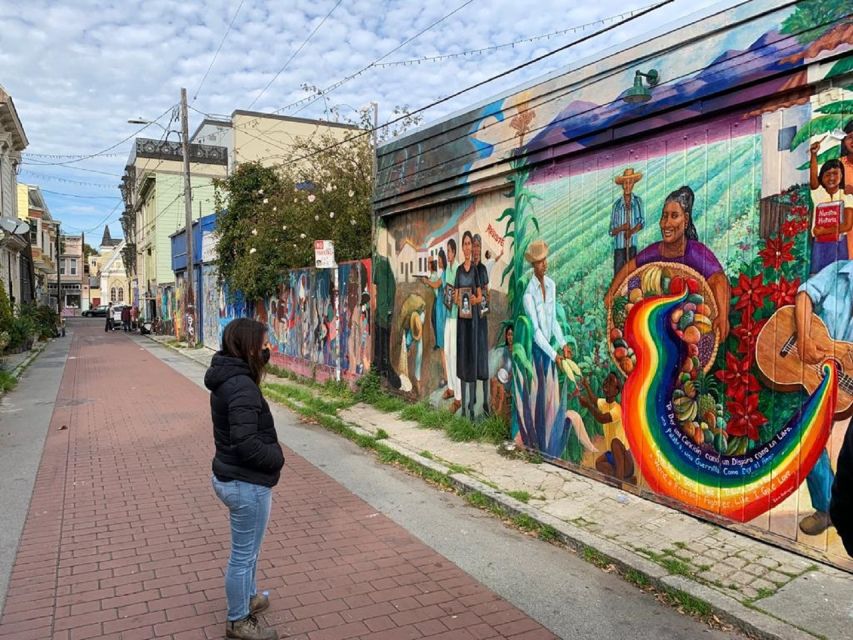
Next you head into Mission Dolores Park, with a stop framed by the area’s layered past. The park used to be a Jewish cemetery, and now it’s one of the Mission’s most popular green spaces. That transformation adds emotional weight to a place that many people mostly treat as a casual hangout.
As you walk the park, you’ll pass Father Hidalgo’s statue and the famous Golden Fire Hydrant. This hydrant is called the miraculous one because it’s tied to the 1906 earthquake story—surviving when much of the Mission District didn’t. That’s exactly the kind of detail this tour is good at: it gives you one concrete object (a hydrant), then uses it to explain why a whole neighborhood’s rebuilding mattered.
You’ll also get a sense of why this area is a meeting point. The Mission District isn’t just an immigrant story or a street-art story; it’s also where people rest, watch, talk, and claim space. If you want history you can actually see from street level, the park is the pivot.
Café de Olla tasting: Oaxacan-style comfort food with a stop for real conversations
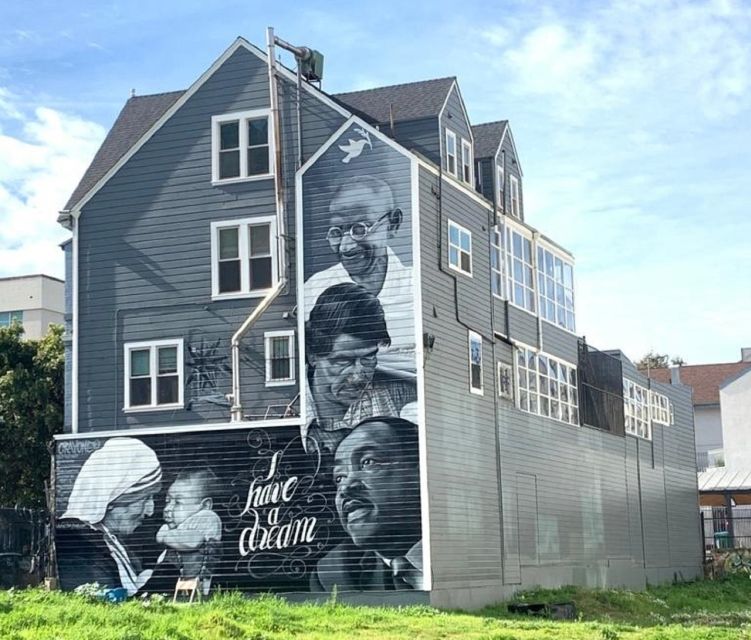
After the park, you refuel at Café de Olla, and this is a key part of the tour’s value. One of the biggest wins here is that the food isn’t random. The menu leans Oaxacan-style, and you’ll hear about how the kitchen prepares dishes from scratch.
Your tasting includes a mix of traditional items such as tortillas, tamales, quesadillas, and tlayudas. You’ll also sip typical Mission-region drinks like agua fresca or iced café de olla. This is where you learn the Mission through taste, not just through pictures.
A practical way to enjoy this stop: go in ready to pay attention to textures and how the dishes work together. Tamales tell one story; tlayudas tell another. If you come hungry, you’ll have the energy to keep going without feeling like food is slowing you down.
If you have food allergies, the tour data doesn’t list specifics about ingredients. In that case, you’ll want to ask your guide what’s in the tasting items before you eat.
Still hungry? The city plate by plate
Mission Street architecture and shops: where the past sits next to the present
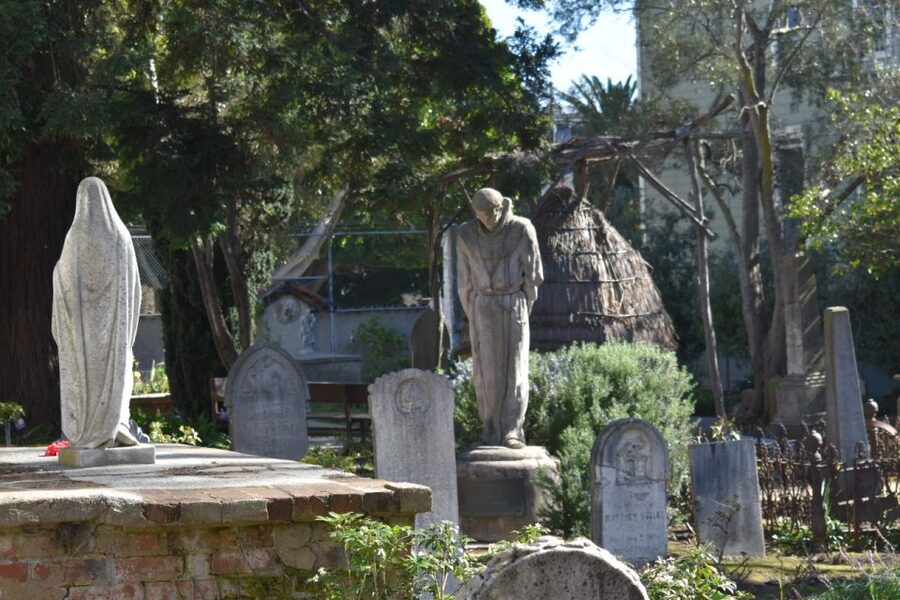
Next you walk along Mission Street with guided stops that focus on the neighborhood’s look and feel. This stretch is known for traditional stores and theatres, and your guide helps you read the block like a map.
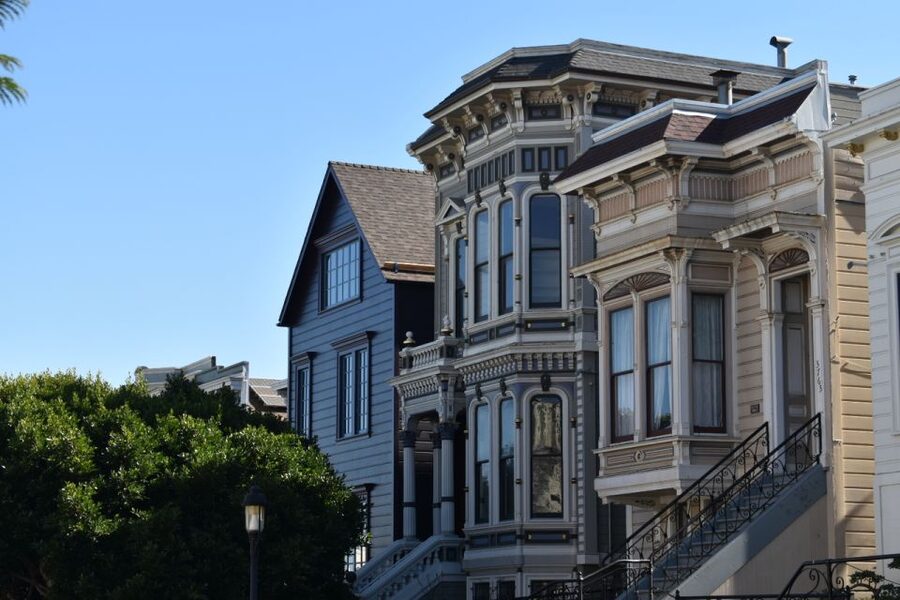
You’ll also notice how many architectural styles show up in a relatively small area. The tour calls out styles like Victorian and stick-style houses, plus Mission Revival mixed-use buildings. The point isn’t to memorize names—it’s to understand why the Mission has such a layered look. Different eras left different shapes, and the street keeps everything in view.
This section is also a good reality check. Street art gets most of the attention in the Mission, but architecture tells a quieter story: migration waves, changing housing needs, and the way communities build upward while keeping older elements visible.
The 24th Street food strip: eight blocks of choice and constant momentum
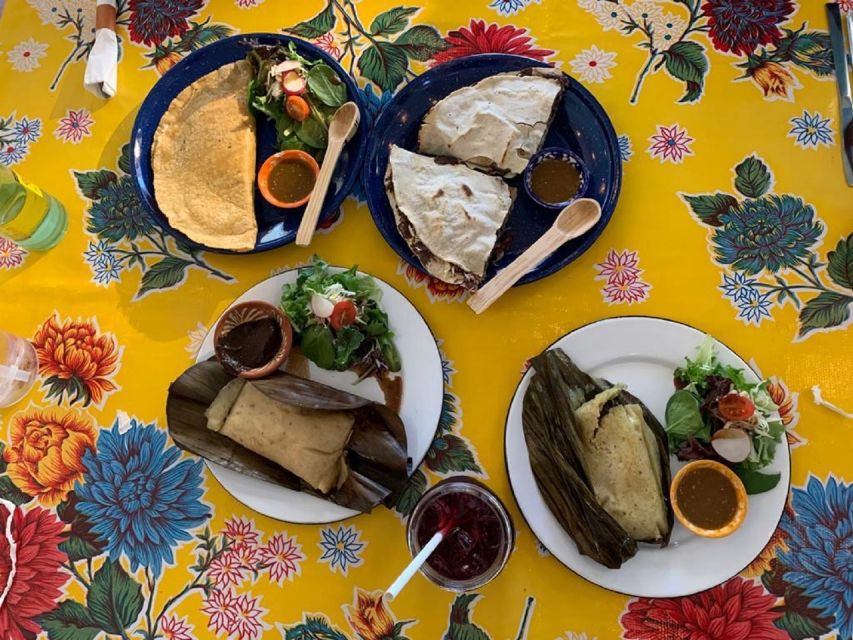
From Mission Street you head toward 24th Street, described as an 8-block stretch with plenty of food options. This is where the tour becomes more of a guided “you’ll see it, then you’ll want it” walk.
The time here is structured around tasting and discovery, and you’ll encounter options ranging from tacos to pastries. Even if you don’t buy everything you smell, you’ll get the sense that the Mission is a place where food isn’t an occasional treat—it’s part of daily rhythm.
If you’re the type who likes to snack and keep wandering, this part feels like the natural peak. If you’re full from earlier tastings, focus on the visuals: storefronts, signs, and the everyday energy of a neighborhood that’s used to feeding people.
Balmy Alley murals at the finish: art with a political spine
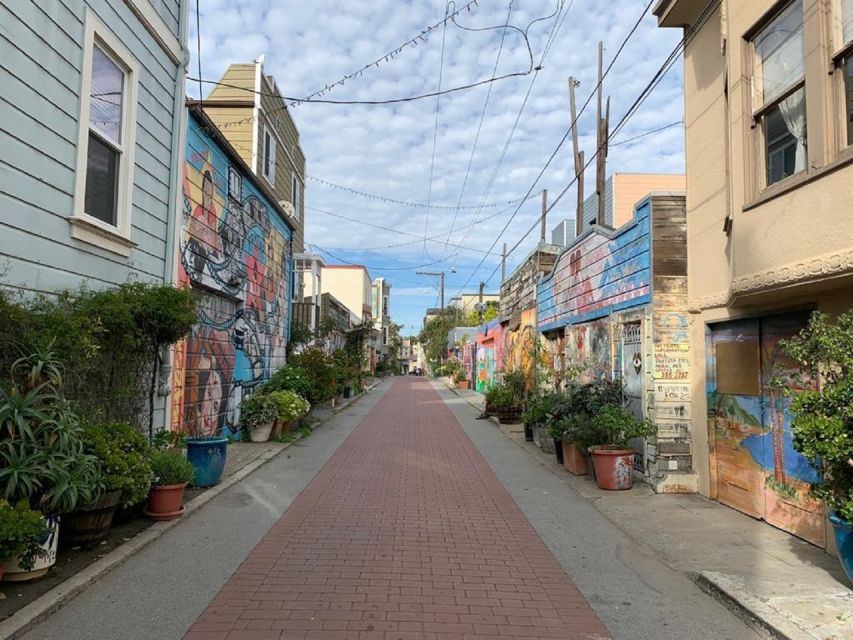
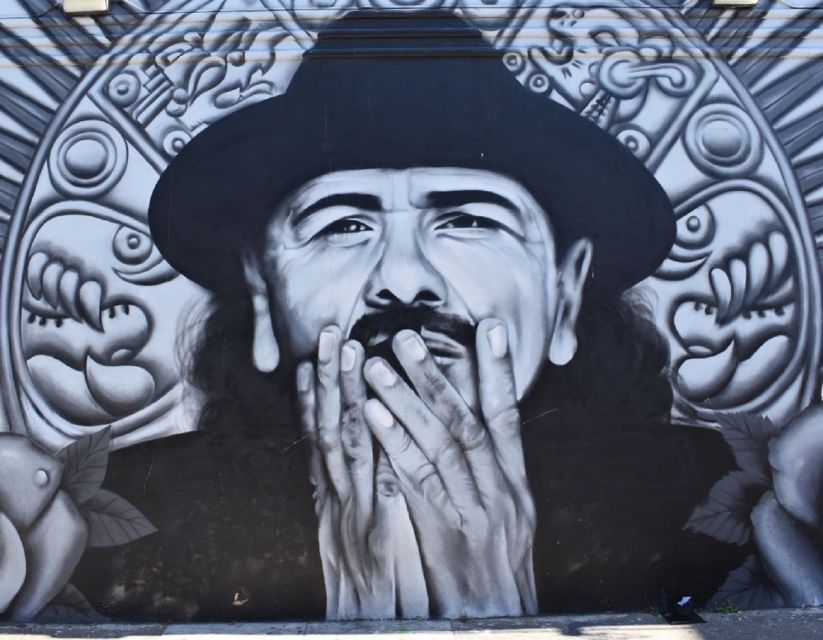
You end at 50 Balmy St, on Balmy Alley, one of the Mission District’s most famous mural streets. This stop is where the tour’s message becomes very clear: street art isn’t only decoration.
The murals here often include themes tied to outrage over human-rights violations and political abuses in Central America. Your guide helps you understand what you’re looking at, so you’re not just admiring color—you’re learning what people wanted to say and why they used paint as a public tool.
Balmy Alley is also a good closing act because it changes your mood. You started with a chapel and a park tied to survival and memory, you ate Oaxacan-style comfort food, you walked streets shaped by changing architecture—and now you end on walls that insist on political attention. It’s a full circle: faith, community space, sustenance, then advocacy.
Guide impact: why Joseph-style storytelling makes it feel personal
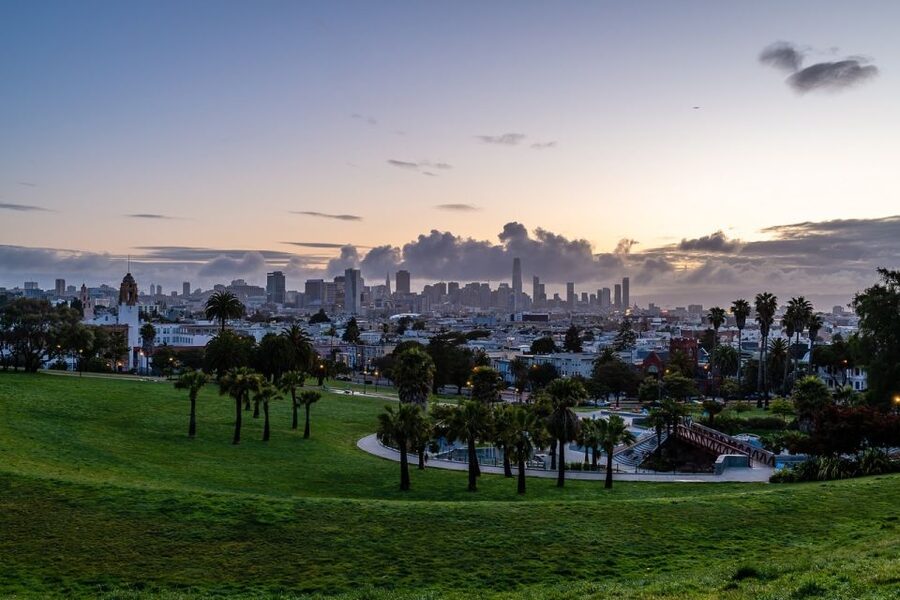
A standout theme in the tour experience is the guide’s role. On past tours, Joseph has led guests with a mix of local perspective and personal storytelling. That matters because the Mission District can look like a blur of signs and textures unless someone slows you down and explains how the pieces connect.
When a guide shares personal context—how the neighborhood feels, how art and food fit into community life—the area stops feeling like an exhibit. It becomes a place you can picture yourself in, even if you’re just passing through for a few hours.
How to decide if this is the right fit for you
You’ll likely love this tour if:
- You want history you can walk to, not just read on a plaque
- You’re in the mood for real food tastings that connect to the neighborhood
- Street art with a message is your thing, especially when it’s tied to real-world human-rights themes
- You prefer guided walking tours over planning stops one by one
You might want to think twice if:
- You’d rather spread your sightseeing across multiple neighborhoods than focus on the Mission
- You’re uncomfortable with a longer walk (about 210 minutes)
- You’re looking for a mostly architectural or mostly museum-style tour rather than a food-forward one
Should you book? My practical take
I’d book this if your ideal San Francisco day blends Mission District landmarks, meaningful street art, and two real tastings. The included entrance at Mission San Francisco de Asís and the structured food stops make the $99 price feel more like a packaged experience than a generic city walk.
If you’re picky about pacing, keep in mind that the route stays centered on the Mission. But if you want one neighborhood you can actually understand—one you can taste and see—this tour is one of the most straightforward ways to do it.
FAQ
Where does the tour start?
Meet your guide in front of Misión San Francisco de Asís.
How long is the tour?
The tour lasts 210 minutes.
What food is included?
You’ll have a food tasting at Café de Olla, and then a second food tasting where you can choose tacos, pastry, or coffee.
Is there an entrance fee included?
Yes. The tour includes the entrance fee to Mission San Francisco de Asis.
Is the tour in English?
Yes, the live tour guide is English.
What should I bring?
Bring comfortable shoes and comfortable clothes. Also dress for weather.
Can I cancel and get a full refund?
Yes. You can cancel up to 24 hours in advance for a full refund.
Does it offer reserve and pay later?
Yes. It offers Reserve now & pay later, so you can book your spot and pay later.
More Tour Reviews in San Francisco
- Muir Woods and Sausalito (Return by Bus or Ferry)★ 4.5 · 5,098 reviews
- Big Bus SF: Hop-on Hop-off Tour with 17 Stops and Sunset Option★ 4.0 · 4,539 reviews
- Napa and Sonoma Wine Country Full-Day Tour from San Francisco★ 4.5 · 4,455 reviews
- Small Group Yosemite and Giant Sequoias Day Trip from San Francisco★ 5.0 · 3,671 reviews
- San Francisco: Golden Gate Bay Cruise★ 4.7 · 3,644 reviews
- San Francisco: Hop-On Hop-Off Sightseeing Tour with 17 Stops★ 4.5 · 3,600 reviews
Eat San Francisco: More Food Walks
- San Francisco Authentic Food Tour with 5 Locals Favorites Dishes★ 5.0 · 852 reviews
- San Francisco: Chinatown Culinary Walking Tour★ 4.8 · 265 reviews
- San Francisco: North Beach and Little Italy Food Tour★ 4.8 · 188 reviews
- Mission District Food Tour: Appetizers, Entrée and Dessert★ 5.0 · 182 reviews
- Exclusive North Beach Food Tour in San Francisco★ 5.0 · 162 reviews
- SF’s Chinatown: Tea & Dim Sum Food Tour – Includes full meal, 3hr★ 5.0 · 153 reviews
Murals and Tacos: The Mission
- Mission District Food Tour: Appetizers, Entrée and Dessert★ 5.0 · 182 reviews
- San Francisco: Mission District Food Tour with 6 Tastings★ 4.9 · 104 reviews
- Mission District Food Tour★ 5.0 · 69 reviews
- Mission District Food and Culture Walking Tour★ 4.5 · 47 reviews
- San Francisco: Mission District Walking Food Tour★ 4.8 · 22 reviews
- Mission 18th Street San Francisco Food Tour★ 4.5 · 15 reviews
Just Reviewed: Fresh San Francisco Tours
- Private San Francisco City Tour + Alcatraz (Tickets Incl., Max 6)
★ 5.0 · 3 reviews - San Francisco: North Beach Food and History Walking Tour
★ 5.0 · 3 reviews - San Francisco Bay Cruise and City Combo Tour
★ 3.5 · 3 reviews - San Francisco City Half-Day Private Custom Tour
★ 5.0 · 3 reviews - San Francisco: Muir Woods, Point Reyes, and Meadery Tour
★ 4.2 · 3 reviews - Private Muir Woods and Sausalito Half Day Tour
★ 5.0 · 3 reviews
San Francisco Food Tours, compared.
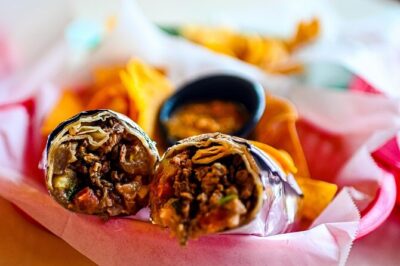 ★ 5.0San Francisco Authentic Food Tour with 5 Locals Favorites DishesFrom $87852 reviews
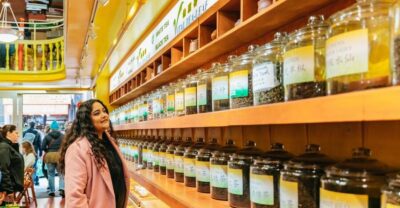 ★ 4.8Chinatown Culinary Walking TourFrom $84265 reviews
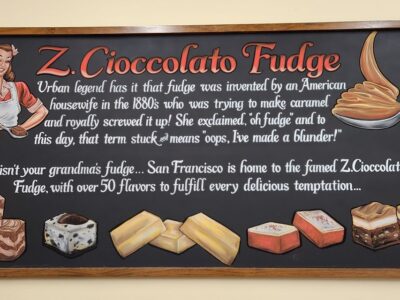 ★ 4.8North Beach and Little Italy Food TourFrom $84188 reviews
 ★ 5.0Mission District Food Tour: Appetizers, Entrée and DessertFrom $115182 reviews
 ★ 5.0Exclusive North Beach Food Tour in San FranciscoFrom $115162 reviews
 ★ 5.0SF’s Chinatown: Tea & Dim Sum Food Tour – Includes full meal, 3hrFrom $99153 reviews
 ★ 4.5San Francisco Combo: Ferry Building Food Tour and AlcatrazFrom $181152 reviews
 ★ 4.8Food Walking Tour of Chinatown & North BeachFrom $94148 reviews
Browse the lists this tour appears in