
Reviewed · SAN FRANCISCO GHOST & TRUE CRIME TOURS
San Francisco: True Crime Tales from the Haight
Haight Street turns spooky fast. This 2-hour walk through the old Haight-Ashbury mixes true crime storytelling with music-landmark stops that still feel close-up. I especially love the way you get to see the homes tied to legends like Janis Joplin and Jimi Hendrix, and I also like that guides such as Robert and Seth share extra links after the tour for anyone who wants more detail.
One heads-up: this is not a light, campy ghost walk. You’ll hear about horrific cases tied to serial killers and other real crimes, so if heavy subjects are not your thing, you’ll want to think twice.
In This Review
- Key Highlights You’ll Care About
- Walking Haight-Ashbury Crime: Why This Tour Hits Different
- Starting at Haight Street & Stanyan: Set Your Expectations
- Alvord Lake: Where the Peaceful View Gets a Darker Frame
- A Secret Stop: Why a Surprise Location Works on a Walking Tour
- Janis Joplin’s House: Music Fame With Real Street-Level Specifics
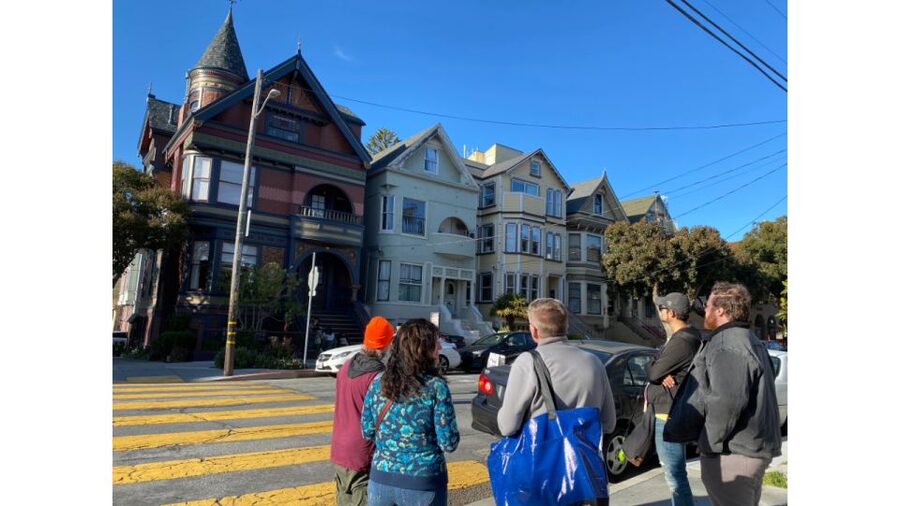
- Jimi Hendrix Red House: The Scene Through Architecture
- Trax and the Music-Surrounding World
- Buena Vista Park: The Spooky Shift and the Tombstone Factor
- The Big Crime Stories You’ll Hear: Zodiac, Moscone, Harvey Milk
- Charles Manson and Jim Jones: Dangerous Men in Familiar Streets
- Price and Value: Is $39 Worth 2 Hours?
- Who This Walking Tour Is Best For
- Should You Book San Francisco: True Crime Tales from the Haight?
- FAQ
- How long is the tour?
- Where does the tour start and end?
- What language is the guide?
- What is included in the ticket price?
- Is food or beverage provided?
- Can I cancel for a refund?
Key Highlights You’ll Care About
- Music icons at the doorstep: Janis Joplin and Jimi Hendrix homes show up in a way that feels personal, not museum-style.
- Summer of Love locations: you’ll connect the street corners to why the era mattered culturally.
- Real SF crime stories: the Zodiac Killer, the murder of Mayor George Moscone, and the Harvey Milk assassination are part of the narrative.
- Buena Vista Park’s tombstones: the walk shifts into eerie territory with forgotten markers.
- Guides who follow through: Robert and Seth stand out for story detail and handing out helpful follow-up links.
Back to the Summer of Love, more Haight walks




Walking Haight-Ashbury Crime: Why This Tour Hits Different
The Haight is one of those neighborhoods where the past shows up in plain sight. On this tour, the streets don’t just act as a backdrop for music nostalgia. They become the stage for two threads that San Francisco can’t separate: what people celebrated, and what people feared.
What makes this experience work is the pairing. You’ll see the homes tied to the artists who helped define the 1970s scene, then turn a corner and hear about how dangerous men plotted their future misdeeds. That contrast is exactly the point. It’s the same neighborhood energy, but two very different realities sharing the same map.
And because the guide is local and speaks English, the story stays grounded. Robert is praised for sharing plenty of interesting details and pointing out the specific places where events unfolded. Seth gets called out for being friendly and for giving a clear picture of neighborhood history as you go. You’re not stuck with a lecture voice; you get a walking narrative.
Starting at Haight Street & Stanyan: Set Your Expectations
You kick off at the corner of Haight Street and Stanyan Street, where the Haight’s identity is easiest to feel. This is a good starting point because it puts you right where the neighborhood’s story begins to stack up fast: music legacy, counterculture fame, and the darker undercurrent that true crime tours are built to expose.
At this moment, I suggest you do two things:
- Choose your listening mode: lean in for the music-scene context first, then switch gears when the crime stories start.
- Keep an eye on surroundings: the tour uses street corners and homes as evidence, so you’ll get more if you’re visually tracking what the guide is pointing out.
This opening also matters because it frames tone. You’re heading for homes, parks, and a handful of spots that feel almost too ordinary for the stories they hold.
Alvord Lake: Where the Peaceful View Gets a Darker Frame
Next comes Alvord Lake, and the tour approach here is simple: you look at the setting, then the guide connects it to the Haight-Ashbury of the ’70s. The value isn’t that the lake itself is a crime scene. The value is how the guide uses ordinary public spaces to explain why the neighborhood became an epicenter for attention—good and bad.
Guided sightseeing here helps you avoid the common problem with true crime walks: you only remember facts, not the feeling of place. This stop is one of the places where you start to notice how the Haight’s popularity and chaos could coexist. That’s what makes later stories land harder, because you’re not hearing names in a vacuum.
A Secret Stop: Why a Surprise Location Works on a Walking Tour
There’s also a secret stop on the route. The benefit of a surprise like this is that it keeps you alert. Instead of expecting every moment to follow the same pattern—music, then crime, then music again—you stay curious about what comes next.
You don’t get details here, and that’s okay. In a walking format, these unknowns create little moments of discovery. They also make it easier for the guide to steer the narrative where it needs to go next, without losing your attention.
If you like tours that feel slightly more like being shown a route by someone who knows the area, this is the kind of pacing feature that helps.
More haunts and cold cases after dark
Janis Joplin’s House: Music Fame With Real Street-Level Specifics
Then you reach Janis Joplin’s House. This stop is where the tour’s music side becomes more than name-dropping. Seeing a famous figure’s home as a concrete location—rather than a chapter in a book—changes the feel of the whole experience.
I like this because it keeps you from turning the tour into pure darkness. You’re reminded that the Haight was also full of artistry, energy, and people whose lives became part of American culture. If you’re a music fan, this is one of the strongest emotional anchors on the route.
Practical note: homes can be sensitive spaces. Plan to respect boundaries and keep your group moving as the guide directs. The best version of this stop is one where you listen, look, and then move on without lingering too long.
Jimi Hendrix Red House: The Scene Through Architecture
After that comes Jimi Hendrix Red House. Again, the point isn’t just that Hendrix is associated with the neighborhood. It’s that the guide uses the house as a reference point for the surrounding story: the Haight as a place where artists didn’t just perform nearby—they shaped the culture of the streets.
This stop also tends to please the people who like the connection between music and place. If you’ve ever wanted to understand why the Haight became shorthand for a whole era, this kind of landmark helps you see how the story sticks.
And if you’re wondering about variety: this tour doesn’t only focus on one or two artists. You’ll also hear about other icons from the period, including Jefferson Airplane, while the guide ties that legacy back into the neighborhood’s broader narrative.
Trax and the Music-Surrounding World
At Trax, you get a change of pace. This stop grounds the tour in the everyday ecosystem around famous artists—the kind of places where a scene forms, where people gather, and where attention can shift quickly from creative to chaotic.
It’s a smart inclusion because it helps you understand the Haight as a living network, not a set of distant posters. Even without getting too technical, a place like Trax can explain how music life and street life overlap.
This is also where I recommend keeping your mental map active. When the guide moves from landmark to landmark, you’ll get more out of it if you can remember the flow of the neighborhood and how the stops relate to one another.
Buena Vista Park: The Spooky Shift and the Tombstone Factor
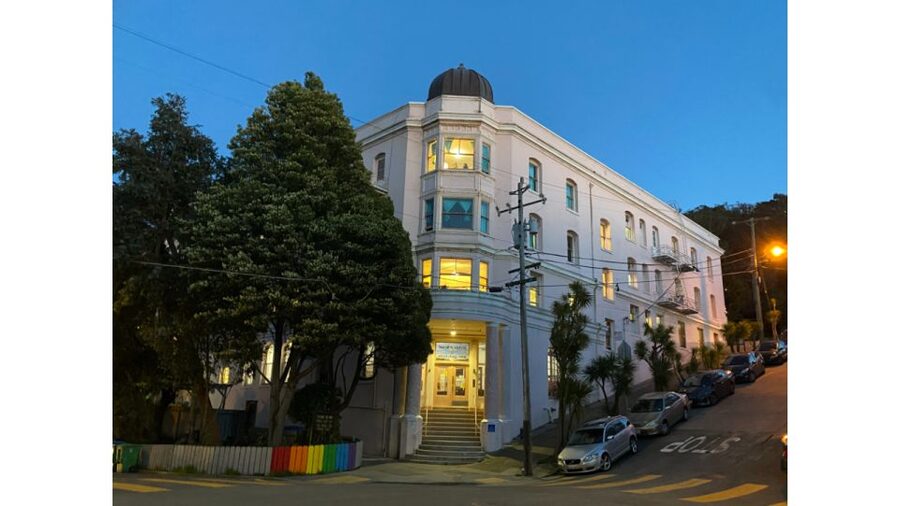
Later, the route heads into Buena Vista Park, and the tone changes. The park section is described as filled with forgotten tombstones, and that’s exactly the kind of detail that makes true crime stories feel more immediate.
Guided sightseeing here works because parks can feel like a pause in a walking tour—but not on this one. The guide uses the surroundings to create a sense of time overlap: the Haight’s era of notoriety sits right next to older markers that remind you the city’s story doesn’t reset every decade.
If you’re sensitive to horror-story vibes, take this as your cue to pace your attention. You can still enjoy the storytelling, but decide ahead of time whether you want to lean into the eerie mood or keep it more observational.
The Big Crime Stories You’ll Hear: Zodiac, Moscone, Harvey Milk
As the tour moves along, you’ll hear true SF crime tales that are part of the city’s collective memory. The stories include:
- the Zodiac Killer
- the murder of Mayor George Moscone
- the Harvey Milk assassination
What makes these segments valuable on a guided walk is how they connect name recognition to place. Instead of treating these stories like headlines, you’re getting them attached to the neighborhood’s atmosphere and the era’s instability.
I also like that the guide doesn’t only focus on one type of crime. Mixing serial-crime intrigue, political violence, and the Zodiac case gives you a wider view of how fear can spread in different ways—even in the same city blocks where people are chasing music and change.
Charles Manson and Jim Jones: Dangerous Men in Familiar Streets
One of the most intense parts of the tour is the section that includes the homes tied to Charles Manson and Jim Jones. This isn’t spooky folklore. This is real history with real victims, and the guide treats it as such.
Why this matters: the Haight is remembered for art and rebellion, but those labels don’t explain everything that happened there. By pointing to locations tied to dangerous men, the tour forces a more honest look at how a famous scene can overlap with people who used the same attention for harm.
If you choose to do this tour, come prepared for the tone to get heavy. A good guide helps keep it informative rather than sensational. Based on the feedback around Robert and Seth—especially the emphasis on details and follow-up resources—this tour seems designed to keep the storytelling grounded, not just grim for its own sake.
Price and Value: Is $39 Worth 2 Hours?
The tour costs $39 per person and runs about 2 hours. For that price, you’re not just buying the right to hear scary stories. You’re paying for a guided route that links:
- music-scene landmarks (Joplin, Hendrix, Jefferson Airplane references)
- culturally significant Haight moments (Summer of Love context)
- and major San Francisco crime narratives (Zodiac, Moscone, Harvey Milk)
Value comes from the structure: a tight time window plus a focused route usually means less wandering and more meaning per stop. Also, the inclusion of an English-speaking local guide makes a big difference—true crime works better when the guide can explain how the city fits the story.
Two things affect value in a practical way:
- Your interest mix: if you care about both music history and crime stories, the tour hits harder.
- Your attention to follow-up: guides like Robert are noted for sending links for deeper reading, which extends the value beyond the two hours.
If you’re trying to decide between a pure true crime walk and a pure music nostalgia stroll, this one’s the hybrid. At $39, it’s a reasonable bet if you want both sides in one route.
Who This Walking Tour Is Best For
This fits best if you:
- love the Haight-Ashbury era and want more than general bragging rights
- like true crime that’s grounded in location and context
- enjoy seeing music icons discussed with street-level specificity
It’s also a good match for history-minded visitors who want a guide to help connect major SF stories to the neighborhoods where they played out.
If you hate hearing about violent crime or you prefer your sightseeing lighter, the heavy subject matter could feel like a mismatch.
Should You Book San Francisco: True Crime Tales from the Haight?
I’d book it if you want a route that treats the Haight like a real place with real contradictions: artists and danger, fame and fear, parks and tombstones, and famous homes tied to both cultural myths and documented horrors.
Skip it if you’re looking for a relaxed music tour only, or if true crime topics will spoil your day. The stories are a core part of the experience, not an optional add-on.
FAQ
How long is the tour?
It lasts about 2 hours. Start times vary, so you’ll want to check availability.
Where does the tour start and end?
It starts at Haight Street and Stanyan Street and finishes at Haight St and Masonic Ave (San Francisco, CA 94117).
What language is the guide?
The tour is guided in English.
What is included in the ticket price?
An English speaking local guide is included.
Is food or beverage provided?
No, food or beverage is not included.
Can I cancel for a refund?
Yes. You can cancel up to 24 hours in advance for a full refund.
More Tour Reviews in San Francisco
- Muir Woods and Sausalito (Return by Bus or Ferry)★ 4.5 · 5,098 reviews
- Big Bus SF: Hop-on Hop-off Tour with 17 Stops and Sunset Option★ 4.0 · 4,539 reviews
- Napa and Sonoma Wine Country Full-Day Tour from San Francisco★ 4.5 · 4,455 reviews
- Small Group Yosemite and Giant Sequoias Day Trip from San Francisco★ 5.0 · 3,671 reviews
- San Francisco: Golden Gate Bay Cruise★ 4.7 · 3,644 reviews
- San Francisco: Hop-On Hop-Off Sightseeing Tour with 17 Stops★ 4.5 · 3,600 reviews
Fog, Ghosts and Cold Cases
- Ghost Hunt in SF Chinatown with a Professional Investigator★ 5.0 · 922 reviews
- San Francisco Ghost Tours: Gold and Ghouls Tour★ 4.5 · 289 reviews
- San Francisco Ghost Hunt Walking Tour★ 5.0 · 177 reviews
- Walk with Spirits: A Haunted Pub Crawl in San Francisco★ 5.0 · 53 reviews
- SF’s North Beach: Gourmet Ghost Tour – Includes full meal, 3 hrs★ 5.0 · 50 reviews
- San Francisco: Ghosts, Boos and Booze Haunted Pub Crawl★ 4.7 · 37 reviews
Back to Haight-Ashbury
- San Francisco: City Sightseeing Tour on Hippie Bus★ 4.9 · 20 reviews
- Love & Haight – San Francisco’s Bohemian Past★ 5.0 · 17 reviews
- 4-Hour Painted Ladies and Haight-Ashbury GoCar Tour★ 5.0 · 15 reviews
- San Francisco Haight Ashbury Hippie Exploration Game★ 4.5 · 13 reviews
- “Summer of Love” tour in Haight-Ashbury in French★ 5.0 · 4 reviews
- Hippie Haight-Ashbury and True Crime Tour★ 5.0 · 3 reviews
Just Reviewed: Fresh San Francisco Tours
- Private San Francisco City Tour + Alcatraz (Tickets Incl., Max 6)
★ 5.0 · 3 reviews - San Francisco: North Beach Food and History Walking Tour
★ 5.0 · 3 reviews - San Francisco Bay Cruise and City Combo Tour
★ 3.5 · 3 reviews - San Francisco City Half-Day Private Custom Tour
★ 5.0 · 3 reviews - San Francisco: Muir Woods, Point Reyes, and Meadery Tour
★ 4.2 · 3 reviews - Private Muir Woods and Sausalito Half Day Tour
★ 5.0 · 3 reviews
San Francisco Ghost & True Crime Tours, compared.
 ★ 5.0Ghost Hunt in SF Chinatown with a Professional InvestigatorFrom $55922 reviews
 ★ 4.5San Francisco Ghost Tours: Gold and Ghouls TourFrom $32289 reviews
 ★ 5.0San Francisco Ghost Hunt Walking TourFrom $25177 reviews
 ★ 5.0Walk with Spirits: A Haunted Pub Crawl in San FranciscoFrom $4453 reviews
 ★ 5.0SF’s North Beach: Gourmet Ghost Tour – Includes full meal, 3 hrsFrom $9950 reviews
 ★ 4.7Ghosts, Boos and Booze Haunted Pub CrawlFrom $3037 reviews
 ★ 5.0VIP Haunted Hotel Experience: Ghost Hunting plus CocktailFrom $11535 reviews
★ 5.0San Francisco Ghosts Boos and Booze Haunted Pub CrawlFrom $3633 reviews
★ 5.0VIP Haunted Hotel Experience: Ghost Hunting plus CocktailFrom $11535 reviews
★ 5.0San Francisco Ghosts Boos and Booze Haunted Pub CrawlFrom $3633 reviews
Browse the lists this tour appears in