
Reviewed · SAN FRANCISCO MUSEUMS & ATTRACTIONS
California Academy of Sciences General Admission Ticket
San Francisco’s living science museum saves time. I love the instant-access entry that gets you in without a separate kiosk, and I love the animal lineup from African penguins to Claude the white alligator. My only real consideration is that planetarium show passes are free but first-come, and some shows may not be appropriate for children under 7.
This is a self-paced general admission ticket with a lot packed into one place: aquarium, planetarium, rainforest, and natural history under one living roof in Golden Gate Park. Plan on about 3 to 5 hours, though you could stretch it if you’re the type to linger by interactive exhibits and daily programs.
In This Review
- Key Highlights to Know Before You Go
- Getting In Fast at Golden Gate Park
- Main Museum Moments: Penguins, Dinosaurs, and Living Roof Science
- Steinhart Aquarium: Deep Reef, Venom Exhibit, and the Twilight Zone
- Morrison Planetarium: Free Passes, 75-Foot Dome, and Choosing the Right Show
- Osher Rainforest: Four Stories of Heat, Humidity, and Flying Animals
- Building a Simple 3 to 5 Hour Game Plan
- Value: What $49 Gets You (and How to Make It Worth It)
- Who This Ticket Fits Best
- Should You Book This Academy of Sciences Ticket?
- FAQ
- How long does the California Academy of Sciences general admission last?
- Where is the meeting point?
- Is the ticket an instant-access admission or do I need to redeem a voucher?
- What’s included with admission?
- Do I need to reserve a planetarium show?
- Are there age limits for planetarium shows?
- Is food included?
- Can I cancel for a full refund?
Key Highlights to Know Before You Go
- No kiosk wait: your mobile ticket is ready to scan for faster entry.
- Nearly 60,000 animals: you’re not just looking at science, you’re watching it in motion.
- Steinhart Aquarium has a real storyline: from a deep indoor coral reef to a venom exhibit and a pitch-black twilight zone.
- Planetarium shows are included but time slots matter: reserve at the pass desk with free passes.
- Osher Rainforest is the “wow” stop: a hot, humid, four-story glass dome where birds and butterflies fly around.
- Family-friendly without feeling babyish: toddlers to adults all have something to do.
More galleries and halls out of the fog

Getting In Fast at Golden Gate Park
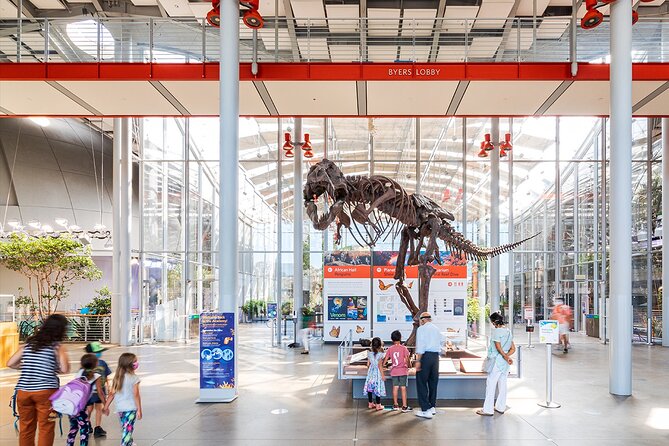
The California Academy of Sciences is one of those rare places where the building itself feels like part of the exhibit. You’re in Golden Gate Park, and the campus energy is relaxed, not “museum strict,” which helps when you’re managing kids—or just your own attention span.
The biggest practical win is the ticket style: it’s designed for instant-access admission, meaning you’re not stuck redeeming a separate voucher at an extra kiosk. That saves you time and reduces the stress of getting your day moving.
You should also expect a lot of walking. Even if you don’t chase every daily program, the building encourages a circuit. Wear comfortable shoes and plan on moving.
Main Museum Moments: Penguins, Dinosaurs, and Living Roof Science
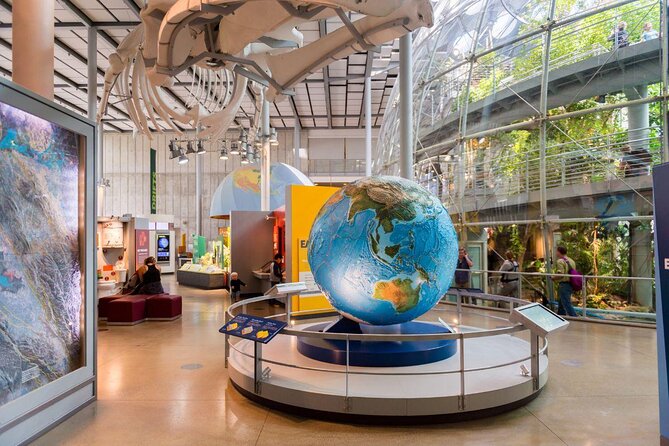
Once you’re inside, you get the full “one roof, many worlds” approach. The main museum is where you’ll get hands-on science and natural history right away, including impressive indoor displays beneath the large bones of giant animals.
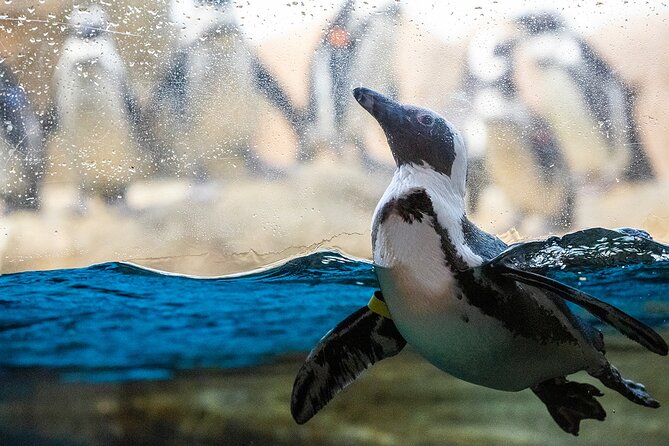
This is also where the animal encounters start to feel personal. You can meet the African penguin colony during public programming, with a biologist answering questions while feedings happen. It’s the kind of moment that turns science facts into something you actually remember.
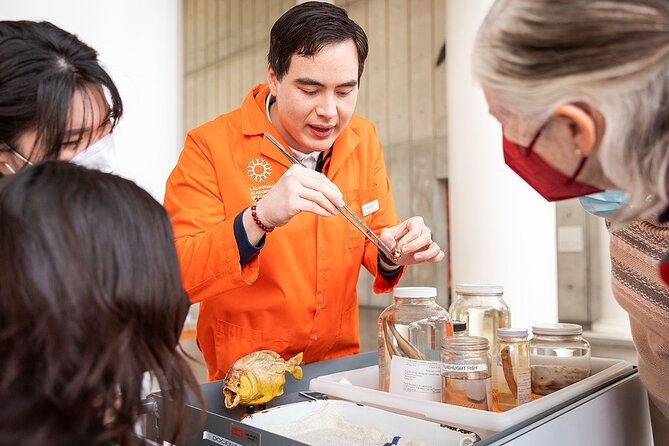
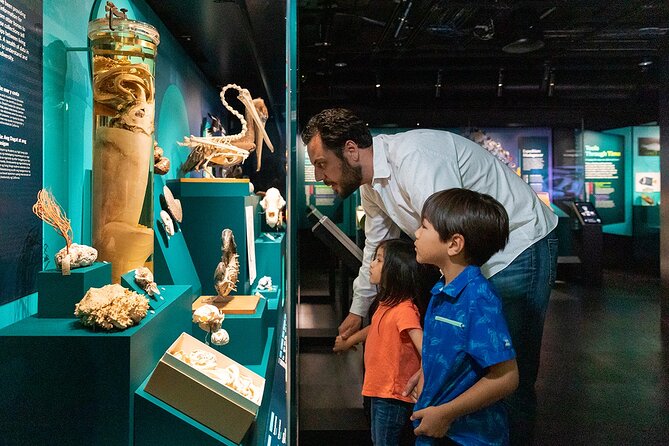
I also like the way the Academy balances living exhibits with science storytelling. You’ll see rotating and newer highlights such as Wander Woods, an outdoor nature play and exploration space aimed at getting kids curious, plus Hidden Wonders, with specimens pulled from research collections. If you’re visiting with different ages in your group, these variety stops matter because no one feels stuck watching the same thing for an hour.
One more detail worth planning around: the Academy runs daily public programs like feedings and pop-up demonstrations. Those extras can change your schedule, so if you want a specific moment (like the penguins), it helps to head there earlier rather than later.
Steinhart Aquarium: Deep Reef, Venom Exhibit, and the Twilight Zone
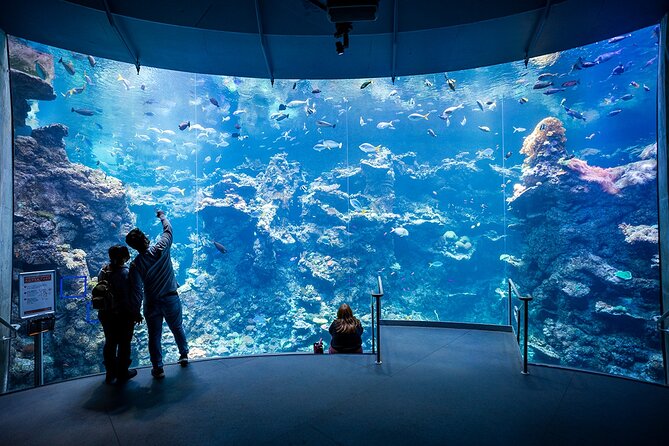
If you only do one “animal-heavy” section, the aquarium is a top choice. Steinhart Aquarium is home to nearly 60,000 live animals across more than 1,000 unique species, and it’s designed so you can move between different habitats without feeling like you’re repeating the same tank.
The atmosphere is part of the magic. You’re not just looking at fish behind glass—you’re walking through themed environments that explain why those animals survive the way they do.
Three features are especially memorable:
- The world’s deepest living indoor coral reef, where the scale of the reef building and the lighting make it feel more like an underwater landscape than a simple exhibit.
- The Venom exhibit, with over a dozen species, which turns danger into curiosity in a controlled, educational way.
- The Twilight Zone, a pitch-black area where you experience marine life adapted to low light. It’s one of those experiences that feels different from your usual daylight museum visit.
A practical note: aquariums can be calmer than rainforest areas, but they still involve crowd flow. If you’re visiting with strollers or mobility needs, consider timing your aquarium visit for when you can move easily between galleries.
Morrison Planetarium: Free Passes, 75-Foot Dome, and Choosing the Right Show
The planetarium sits at the center of the Academy’s science mission. The dome screen is huge—75 feet—so even shorter shows can feel like a real trip through space rather than a simple presentation.
Planetarium shows are included with admission, but you do need to reserve a time. The passes are free and you can reserve at the planetarium pass pick-up desk across from the planetarium entrance. Shows can vary by day and time, so check what’s available once you’re there.
This is where timing meets the family question. The Academy notes that some shows may not be appropriate for children under 7, and children under 4 aren’t permitted. If you’re traveling with very young kids, I’d treat the planetarium like a “maybe” and be ready with a Plan B in the rest of the building.
One tip that helps: if you see a show that matches your group’s energy level, grab it. A well-timed show can become the anchor event that makes the rest of your visit feel organized.
Set these beside your pick before booking:


Osher Rainforest: Four Stories of Heat, Humidity, and Flying Animals
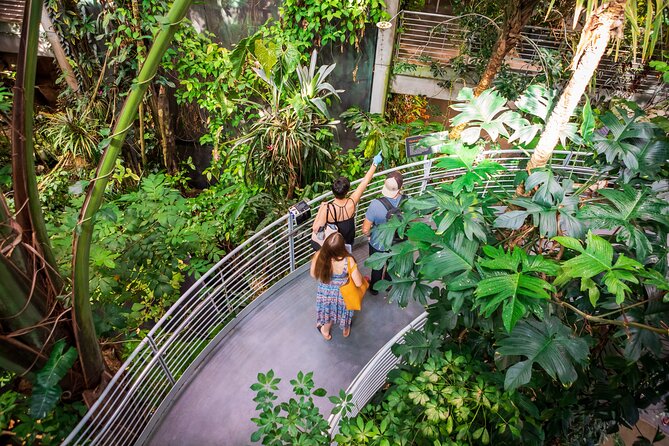
The Osher Rainforest is the stop that most people talk about for a reason. It’s a glass dome with four levels, holding over 1,600 plants and animals. You’re walking through a living environment where birds and butterflies can fly around you, and other animals are displayed across different “layers” of the forest.
It’s also the section that’s most likely to surprise first-timers with how intense it feels. The rainforest exhibit can be hot and humid, so plan for comfort. Bring a light layer you can tolerate getting sweaty in, and consider keeping a small towel handy if you tend to get uncomfortable in warm indoor spaces.
You’ll also encounter a range of animals that make the rainforest feel like more than a pretty diorama. You might spot reptiles, spiders like the golden-silk orb weaver, and enormous Amazonian fish. If you like nature education that feels hands-on and sensory, this is the place.
For parents: it can be a great reset point because kids often react strongly to movement in the air—especially butterflies and birds. For anyone who gets overwhelmed by heat or humidity, just treat this as a “one targeted stop” rather than an endless wander.
Building a Simple 3 to 5 Hour Game Plan
A 3 to 5 hour visit is realistic for most groups, but only if you think about flow. The Academy has enough to fill a whole day, yet the best experience usually comes from choosing your must-sees and using the rest as flexible extras.
Here’s a practical way to structure your time:
Start with the main museum and scheduled animal programming, especially if you want penguin feedings. Then move to the aquarium while you’re still fresh; it’s visually busy, but it’s also easier to pace than a rainforest circuit. After that, reserve your planetarium show, because timing is fixed. Finally, do the rainforest while you’re prepared for warmth and humidity.
If you’re traveling with teenagers or adults who prefer structure, planetarium scheduling can be your backbone event. If you’re traveling with younger kids, aim for the rainforest and aquarium as your “motion and animals” blocks, then let the museum fill in the gaps.
Also keep in mind that this ticket is sold as general admission, not a formal guided tour. That’s good for freedom, but it means you’ll want to decide where to spend your attention.
Value: What $49 Gets You (and How to Make It Worth It)
At $49 per person, the price makes sense when you look at what’s included. You’re paying for access to several major attractions that would be separate costs on many days out: a major natural history museum experience, Steinhart Aquarium, Morrison Planetarium show access, and Osher Rainforest.
The best value comes from actually using the included variety. If you only skim one area, it can feel pricey. If you treat it like a full circuit—museum basics, aquarium deep reef and twilight zone, planetarium show, and rainforest—then it becomes one of those SF days where you leave feeling like you did something big.
The site also offers grab-and-go food and drinks you can purchase on-site, and there’s a café and terrace restaurant. A couple of reviews highlight that the on-site food is good, which matters when you don’t want your day derailed by hunting for meals in the park.
One more value lever: the Academy is family-friendly without being a kids-only park. Couples often enjoy it too because the planetarium and aquarium have enough science depth to satisfy adults, while the rainforest and hands-on exhibits keep things lively.
Who This Ticket Fits Best
This is a strong fit for families because the Academy hits multiple learning styles. You get animals you can see up close, interactive science moments, and rotating programming. If your group includes toddlers to teens, you’ll likely find enough “yes, let’s go see that” moments to keep everyone moving.
It also works well for adults who like science but don’t want to commit to a guided lecture schedule. The planetarium show and aquarium habitats give a natural “sit, watch, learn, walk” rhythm.
If you hate heat and humidity, the rainforest could be your weak spot—plan accordingly. If you have very young children, the planetarium age guidance matters, so don’t build your day around that one option.
And if you’re the kind of visitor who likes everything clean and spotless: I’d keep expectations realistic. One concern that showed up in feedback was about areas needing better cleaning in high-touch spaces, like glass doors and food areas. That doesn’t mean you’ll have a problem, but it’s fair to keep an eye out and use your own wipes if you prefer extra comfort.
Should You Book This Academy of Sciences Ticket?
Yes—if you want a high-value, one-location science day in San Francisco. This ticket is worth it when you plan to use the full mix: main museum exhibits, Steinhart Aquarium’s themed habitats, a Morrison Planetarium show, and the Osher Rainforest’s flying-animal experience.
I’d especially book if you’re traveling with kids of mixed ages, because the variety reduces the chance of anyone getting bored. I’d also book if your ideal day includes animals plus education, not just one or the other.
If your group includes very young kids who may not qualify for some planetarium shows, or if you’re sensitive to heat, you’ll need to plan your order and set expectations. But even then, the aquarium and museum can carry the day.
FAQ
How long does the California Academy of Sciences general admission last?
The visit is typically about 3 to 5 hours, depending on how much you want to see.
Where is the meeting point?
The meeting point is 55 Music Concourse Dr, San Francisco, CA 94118.
Is the ticket an instant-access admission or do I need to redeem a voucher?
It’s instant-access admission, so you can enter without waiting at a separate kiosk to redeem a voucher.
What’s included with admission?
Admission includes access to the California Academy of Sciences and includes planetarium show passes, which you reserve once you arrive.
Do I need to reserve a planetarium show?
Yes. Planetarium passes are free, and you reserve a showtime after you arrive by scanning the QR code in the lobby, then reserving for a time at the planetarium pass pick-up desk.
Are there age limits for planetarium shows?
Some planetarium shows may not be appropriate for children under 7, and children under 4 are not permitted.
Is food included?
No. Food and drinks are available for purchase at the Academy Café and Terrace Restaurant.
Can I cancel for a full refund?
Yes, you can cancel up to 24 hours in advance for a full refund. If you cancel less than 24 hours before the experience starts, the amount isn’t refunded.
More Tickets in San Francisco
- San Francisco: Alcatraz Ticket, Ferry, & Self-Guided App★ 4.5 · 2,460 reviews
- Aquarium of the Bay General Admission Ticket★ 3.5 · 299 reviews
- Best Alcatraz Prison Tickets & San Francisco Combo Tour★ 5.0 · 234 reviews
- San Francisco: City Tour and Alcatraz Entrance Ticket Combo★ 4.1 · 207 reviews
- San Francisco: San Francisco Giants Baseball Game Ticket★ 4.6 · 204 reviews
- The Walt Disney Family Museum Admission Ticket in San Francisco★ 5.0 · 203 reviews
More Tour Reviews in San Francisco
- Muir Woods and Sausalito (Return by Bus or Ferry)★ 4.5 · 5,098 reviews
- Big Bus SF: Hop-on Hop-off Tour with 17 Stops and Sunset Option★ 4.0 · 4,539 reviews
- Napa and Sonoma Wine Country Full-Day Tour from San Francisco★ 4.5 · 4,455 reviews
- Small Group Yosemite and Giant Sequoias Day Trip from San Francisco★ 5.0 · 3,671 reviews
- San Francisco: Golden Gate Bay Cruise★ 4.7 · 3,644 reviews
- San Francisco: Hop-On Hop-Off Sightseeing Tour with 17 Stops★ 4.5 · 3,600 reviews
Out of the Fog: SF Museums
- Aquarium of the Bay General Admission Ticket★ 3.5 · 299 reviews
- The Walt Disney Family Museum Admission Ticket in San Francisco★ 5.0 · 203 reviews
- SKIP THE LINE: Exploratorium Daytime Admission★ 4.5 · 165 reviews
- San Francisco Museum of Modern Art General Admission Ticket★ 4.5 · 143 reviews
- SF: San Francisco Museum of Modern Art (SFMOMA) Entry Ticket★ 4.5 · 124 reviews
- de Young Museum General Admission Ticket★ 4.0 · 97 reviews
Just Reviewed: Fresh San Francisco Tours
- Private San Francisco City Tour + Alcatraz (Tickets Incl., Max 6)
★ 5.0 · 3 reviews - San Francisco: North Beach Food and History Walking Tour
★ 5.0 · 3 reviews - San Francisco Bay Cruise and City Combo Tour
★ 3.5 · 3 reviews - San Francisco City Half-Day Private Custom Tour
★ 5.0 · 3 reviews - San Francisco: Muir Woods, Point Reyes, and Meadery Tour
★ 4.2 · 3 reviews - Private Muir Woods and Sausalito Half Day Tour
★ 5.0 · 3 reviews
San Francisco Museums & Attractions, compared.
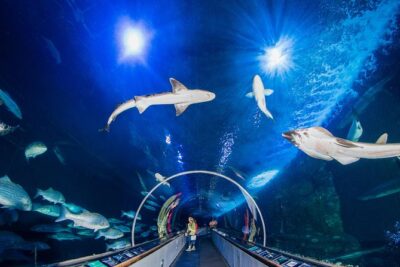 ★ 3.5Aquarium of the Bay General Admission TicketFrom $28299 reviews
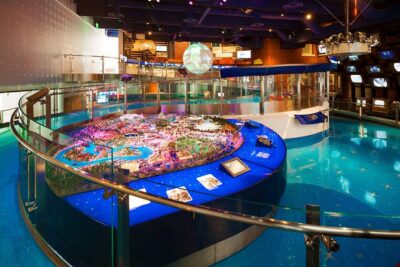 ★ 5.0The Walt Disney Family Museum Admission Ticket in San FranciscoFrom $25203 reviews
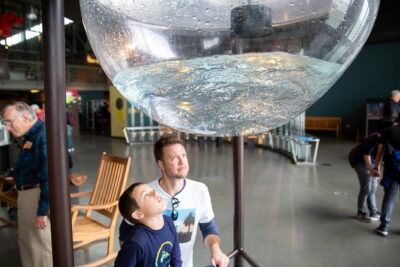 ★ 4.5SKIP THE LINE: Exploratorium Daytime AdmissionFrom $39165 reviews
 ★ 4.5San Francisco Museum of Modern Art General Admission TicketFrom $15143 reviews
 ★ 4.5SF: San Francisco Museum of Modern Art (SFMOMA) Entry TicketFrom $15124 reviews
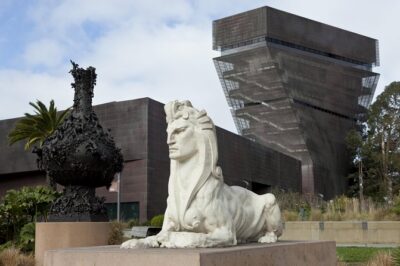 ★ 4.0de Young Museum General Admission TicketFrom $2097 reviews
 ★ 4.5Legion of Honor Museum General Admission TicketFrom $2085 reviews
 ★ 4.5SKIP THE LINE: Exploratorium After Dark Thursdays (18+) AdmissionFrom $2251 reviews
Browse the lists this tour appears in