
Reviewed · WORKSHOPS
San Francisco: Turkish Mosaic Lamp Workshop
One lamp. A whole lot of color work.
This Turkish mosaic lamp workshop is a hands-on craft session in the heart of San Francisco, built for beginners and DIY fans alike. I like the way it pairs step-by-step instruction with real creative choices, and the friendly guidance from Rosie (English-speaking) helps you get unstuck fast.
Two things I love: you create a finished Turkish mosaic lamp you can take home, and you get to work through the design with clear, supportive help. You also choose from 16 color options, so you’re not stuck making someone else’s idea.
One consideration: the whole session is only 2 hours, so you’ll want to commit to a design plan early rather than trying to perfect every detail.
In This Review
- Key things to know before you go
- Turkish Mosaic Lamp Workshop in San Francisco: What Makes It Fun
- What You Make: Your Turkish Mosaic Lamp (16 Color Choices)
- The 2-Hour Schedule: How the Workshop Keeps You Moving
- Materials and Setup: What You Get and Why It Matters for Beginners
- From Template to Lamp: Tile-Style Mosaics and Bead Placement
- Learning With Expert Guidance: English Help You Can Rely On
- Snacks, Turkish Tea, and the Rhythm of Crafting
- Price and Value: Is $99 Worth It in San Francisco?
- Who Should Book This Workshop (and Who Might Want to Skip)
- Practical Tips to Get the Best Results With Your Lamp
- The Bottom Line: Should You Book the San Francisco Turkish Mosaic Lamp Workshop?
- FAQ
- How much does the San Francisco Turkish mosaic lamp workshop cost?
- How long is the workshop?
- What do I make and what do I take home?
- What materials are provided?
- Is the workshop beginner friendly?
- Is it in English?
- Where do I meet for the workshop?
- Is there a minimum age?
Key things to know before you go
- 16-color palette: you pick your look, not a preset design.
- Beginner-friendly process: guidance is built in from start to finish.
- Materials included: glass globe, beads, LED bulb, and templates are part of the package.
- Close help when needed: you get the kind of 1:1 support that keeps you moving.
- Tea/coffee and snacks included: you’re not stuck crafting on an empty stomach.
- Small, relaxed workshop feel: it’s made for a comfortable pace, not a factory line.
Aprons and shakers, more hands-on nights


Turkish Mosaic Lamp Workshop in San Francisco: What Makes It Fun
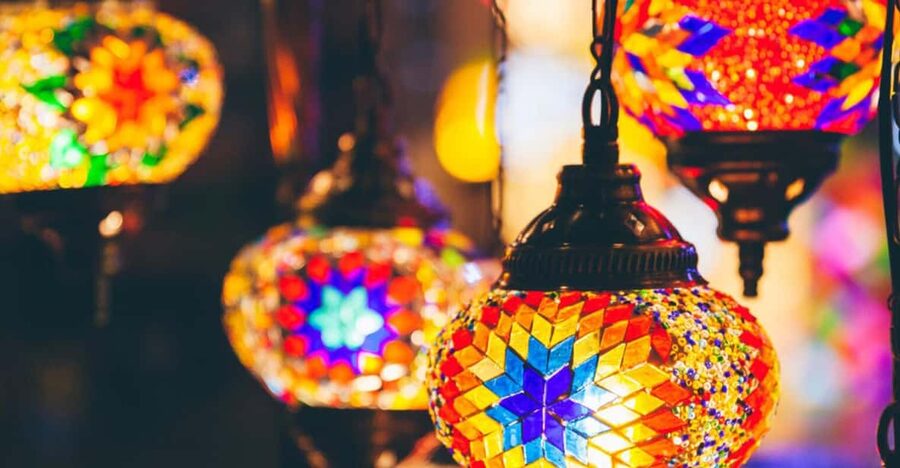
San Francisco has no shortage of food, museums, and walking tours. This is different. It’s a structured craft class where you make something you can actually use on your shelf or nightstand, and the fun comes from the making process itself.
The workshop is set up for real beginners. You’re not expected to know mosaic techniques, jewelry-level beadwork, or how to arrange a pattern. You start with templates (for inspiration and guidance), then you follow the build steps and let your choices show in the final design.
If you’ve ever wanted a hands-on creative activity during a trip, this hits the sweet spot: it’s short, clear, and social in a low-pressure way. You’re doing craft work, but you’re also learning a method you can repeat later.
What You Make: Your Turkish Mosaic Lamp (16 Color Choices)
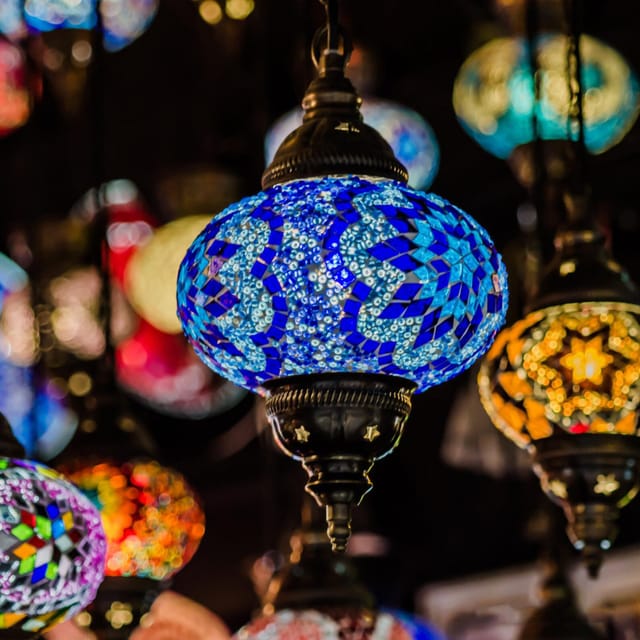
You’ll build a Turkish mosaic lamp using the materials the workshop provides. The kit includes a glass globe, beads, an LED bulb, and the other required items so you can focus on design and assembly instead of shopping for supplies.
The best part for most people is the color decision. You choose from 16 colors, which gives you enough variety to make the lamp feel personal without turning the session into a complicated art project. Even if you aren’t sure what you want at the start, the templates help you get your bearings fast, then you can tweak your layout as you go.
You also leave with the finished piece. That matters because craft activities sometimes feel like you’re only paying to watch someone else do the work. Here, you’re building the keepsake.
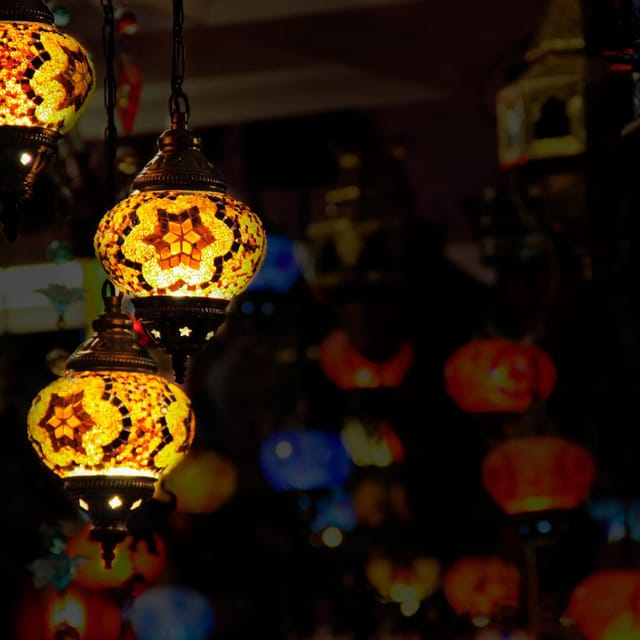
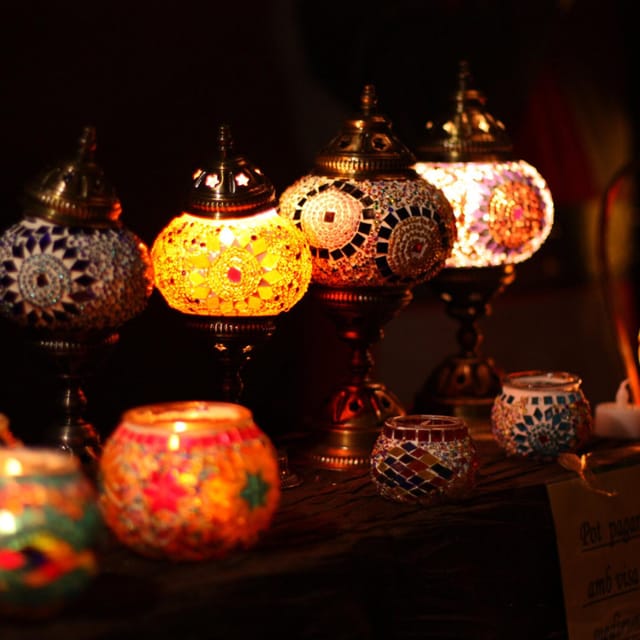
One practical bonus: because it’s a lamp, the colors and materials show differently than flat crafts. The glass globe and light effect change how your pattern reads once the LED is in place, so your design looks better once you turn it on at home.
The 2-Hour Schedule: How the Workshop Keeps You Moving
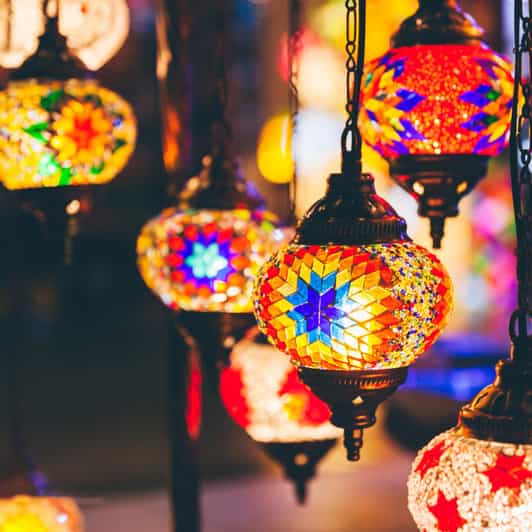
The duration is 2 hours, which shapes the whole experience. This isn’t a “take weeks” craft. It’s timed so you get instruction early, build the pattern step by step, and still finish your lamp in one session.
Here’s how that time pressure becomes a benefit. The staff provides structure, so you don’t lose time figuring out what to do next. If you freeze mid-step, you can get help and keep going, instead of getting stuck and falling behind.
The workshop also includes breaks in a smart way. You get snacks and Turkish tea/coffee while you craft, so the session feels like a relaxed evening activity rather than a rushed class. When the pace is controlled, it’s easier to relax and enjoy the process.
If you’re the type who wants to “slow down and perfect,” this is still doable, but you’ll want to focus on a design that you can execute within the time window. A strong plan beats a complicated plan.
Materials and Setup: What You Get and Why It Matters for Beginners
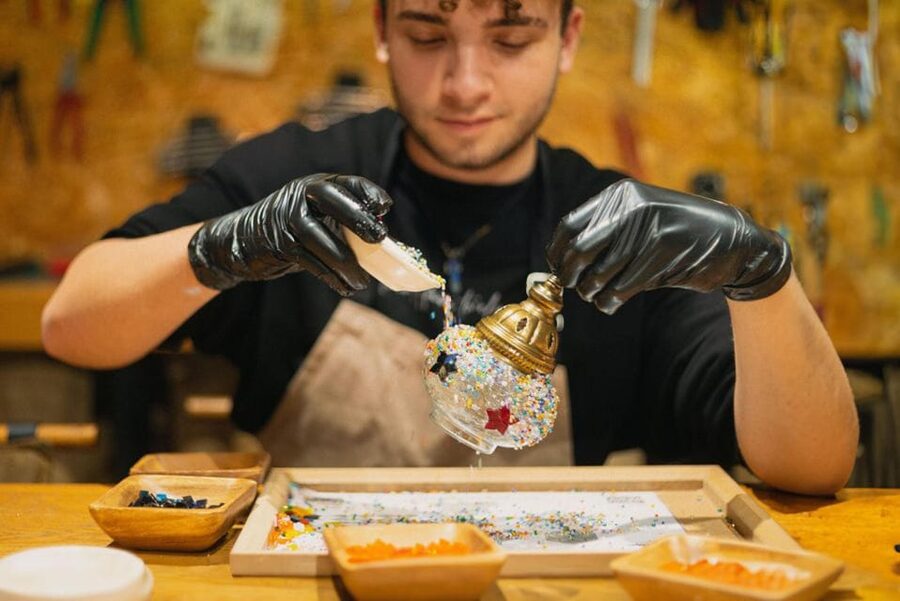
This workshop takes the guesswork out of supplies. You’re provided with all required equipment, so you don’t have to track down tools, glue, specialty pieces, or extra beads. That’s a big deal for travelers, because San Francisco already has enough to think about—transit, meals, reservations, and where you’ll store souvenirs.
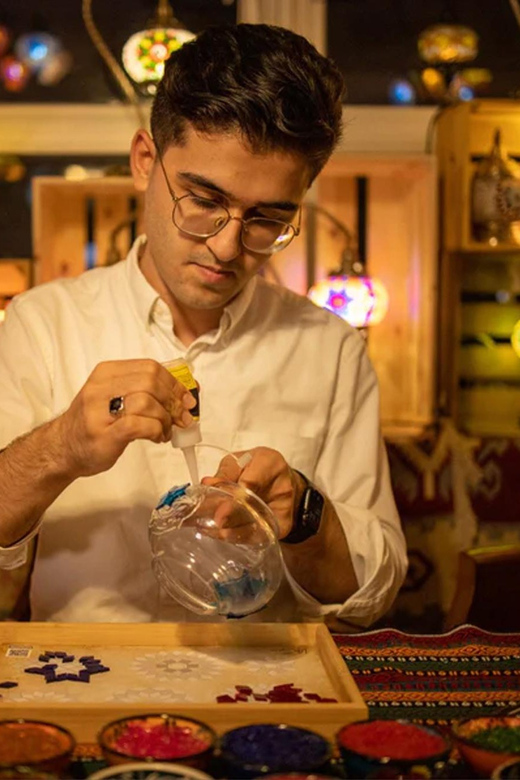
You’ll work with a glass globe and beads, then add an LED bulb as part of the lamp build. Templates are included too, so you can copy a layout for a starting point and then adjust colors and placement to match your taste.
For beginners, this “all-in-one kit” approach makes the experience less stressful. You’re judged on how you follow the steps and make creative choices, not on how experienced you are with mosaic building.
One more useful angle: because the workshop provides the materials, the techniques you learn are consistent with what you’ll use. That’s better than trying to learn from random videos and then realizing your pieces don’t work the same way.
Set these beside your pick before booking:
From Template to Lamp: Tile-Style Mosaics and Bead Placement
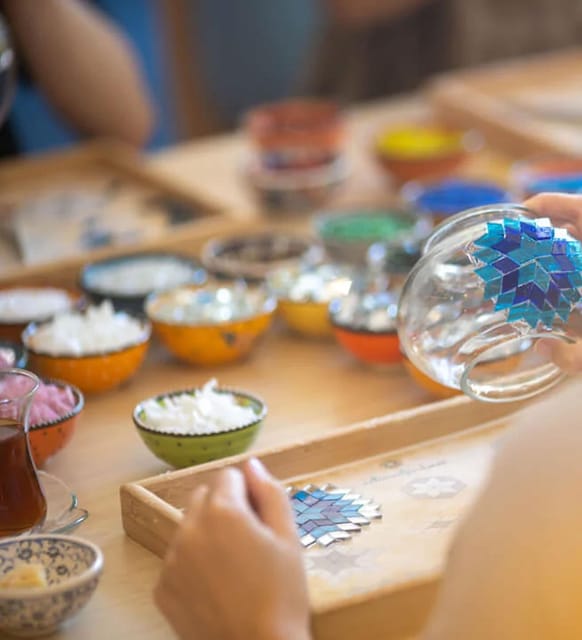
The session follows a logical build path: you create your design first with mosaic tile-style pieces, then you add beads. This order helps your pattern take shape. The larger mosaic elements set the overall look, and the beads become the details that add sparkle and texture.
You’ll get directions on how to place pieces and how to think about your pattern while you work. The templates give you starting ideas, and you can also bring your own inspiration if you want. A simple approach works well: pick a palette, then decide where you want the main color areas versus accents.
What I like about this method is that it keeps your choices meaningful. Even if you use a template for structure, you’re still making the key decisions—where colors go, how much detail you add, and how dense your pattern feels.
Bead placement is where the lamp can go from pretty to personal. The beads help your design look intentional up close, and the texture becomes visible once it’s curved around the lamp’s glass globe. If you’re worried about messing up, remember that step-by-step guidance is part of the experience, so you’re not left to figure it out alone.
Learning With Expert Guidance: English Help You Can Rely On
This workshop is instructor-led and taught in English. You’ll get guidance from expert artisans, including clear instructions on both the mosaic build and the bead stage.
The tone matters. The feedback around the session emphasizes welcome, clear directions, and friendly support. That’s the difference between a workshop that feels like a class and one that feels like you’re working with someone who wants you to succeed.
Rosie is mentioned as an especially helpful guide, and the workshop format supports that kind of calm, practical teaching. If you get stuck, you can ask questions and get 1:1 help as needed, which makes a huge difference in short workshops.
For people who love DIY, this still works because you’re not limited to copying a design with zero control. Your choices show in the lamp, while the instructor keeps the steps clear enough that you don’t waste time experimenting randomly.
Snacks, Turkish Tea, and the Rhythm of Crafting
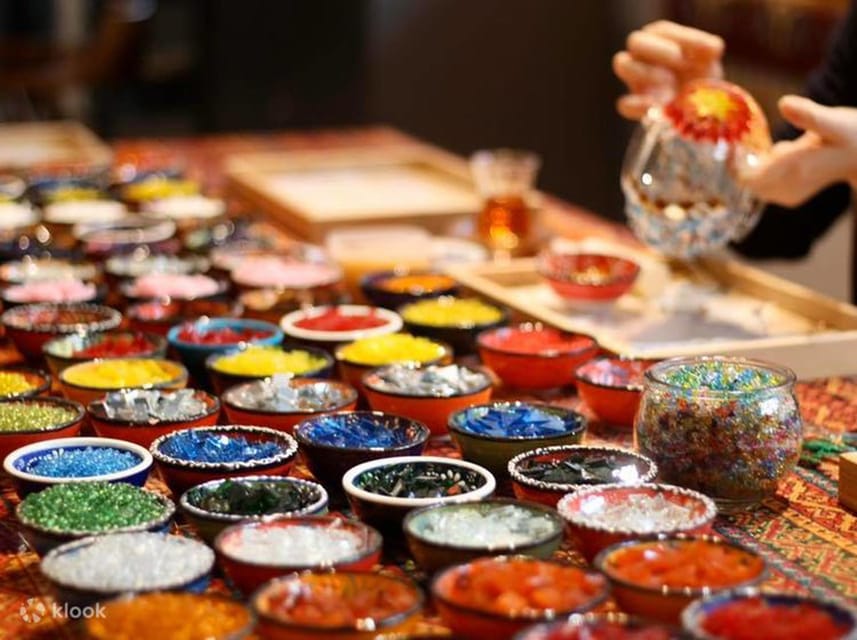
Craft workshops can be either strict or surprisingly relaxed. This one leans relaxed. You’ll have snacks, plus Turkish tea and Turkish coffee throughout the experience.
That refreshment layer isn’t just a nice extra. It helps you stay focused when you’re doing repetitive placement work. If you’ve ever tried to concentrate on a detailed task while hungry, you’ll understand why this matters.
There are also sweet treats involved, and music in the room adds to the comfortable mood. This turns the workshop into an actual break from sightseeing intensity, especially on days when you don’t feel like walking all over town.
If you’re traveling with limited time, snacks plus tea/coffee included means you can plan your day around the workshop without needing a separate stop for coffee. You can arrive, craft, and keep your energy for whatever comes next.
Price and Value: Is $99 Worth It in San Francisco?
$99 for a 2-hour guided workshop sounds straightforward, but value depends on what you walk away with. Here, you’re paying for three things at once: the instruction, the materials, and the finished lamp you take home.
Let’s break that down. Most craft classes either charge you for tuition only (and you buy supplies), or they keep your project small. In this case, you get the glass globe, beads, LED bulb, equipment, and a design framework through templates. So the cost isn’t just paying someone to teach; it’s paying for the complete build experience.
Also, the final result is functional. A handmade decorative lamp is more useful than a flat wall piece, and it’s the kind of souvenir that feels like something you made rather than something you bought.
Finally, the support level makes the workshop worth it. When you can get help quickly and keep moving, you’re not paying for a slow, frustrating class. You’re paying for a smooth path to a finished product.
If you’re deciding between this and another “activity” in San Francisco, I’d treat it like a blend of workshop + personal souvenir. At $99, it’s a reasonable trade when you factor in materials and the fact you leave with a finished lamp.
Who Should Book This Workshop (and Who Might Want to Skip)
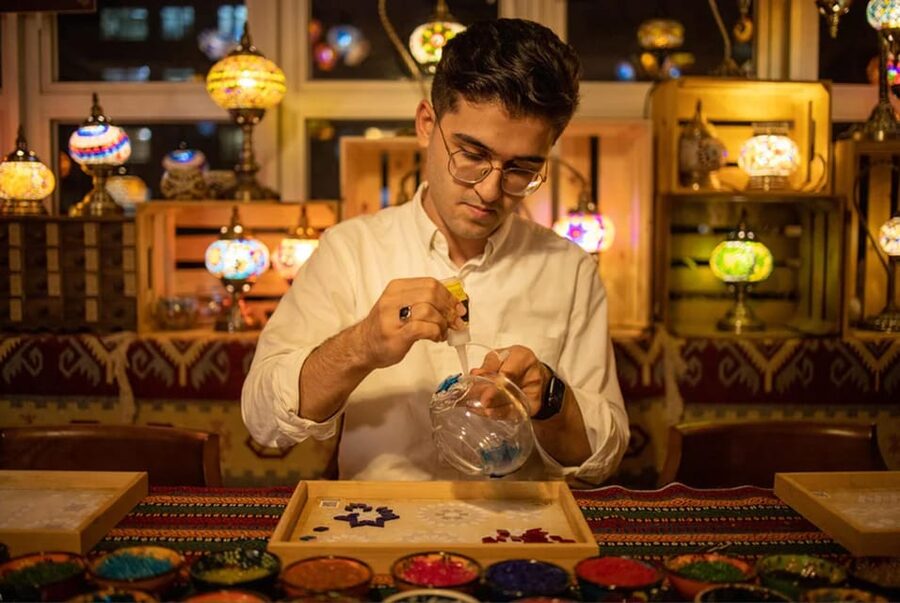
This workshop suits beginners and DIY-minded people. If you’ve never done mosaic work, the provided templates and guidance help you get started without stress. If you like hands-on projects, you’ll appreciate how much creative control you get through the 16-color palette.
It’s also a strong pick for a short indoor plan. San Francisco weather can change plans fast, and this gives you a reliable activity that doesn’t depend on getting great outdoors views at the right time.
One clear limitation: it’s not suitable for children under 7. So it’s more of an adult or older-child craft experience, not a toddler-friendly activity.
Also consider your comfort with detail work. You’ll be placing small pieces and beads. That’s part of the charm for many people, but if you’re looking for a purely casual “watch and relax” event, you may prefer something less hands-on.
Practical Tips to Get the Best Results With Your Lamp
You’ll enjoy this more if you arrive with a simple design intention. You don’t need to bring a sketch, but having a rough idea like warm colors, cool colors, or a pattern style will save you time when you’re choosing among the 16 options.
Use the templates as your starting point. They’re there to help you plan placement and avoid getting stuck in indecision. If you want to add your own ideas, do it in small ways—swap a few colors, adjust accent placements, or change the balance of a main pattern area.
Wear clothes you’re comfortable working in. Even though you’ll be guided, mosaic bead work can get messy in the small ways that are normal for crafts. If you’re visiting right after, wear something easy to wipe down.
If you’re picky about the lamp base, ask about options if they come up during your session. One participant mentioned paying extra for a wireless lamp base and said it was worth it. If you prefer cord-free lighting, bring that preference up during the experience so you can choose what’s best for you.
Finally, take your time asking questions early. Once you know how the instructor wants pieces placed, your rest of the session tends to flow faster and feel calmer.
The Bottom Line: Should You Book the San Francisco Turkish Mosaic Lamp Workshop?
I think you should book this if you want a guided, beginner-friendly craft that ends with something you’ll actually use. The combination of step-by-step instruction, provided materials, and a finished take-home lamp makes the $99 price feel like you’re paying for a complete experience, not just “class time.”
Skip it if you hate detail work, need a totally hands-off activity, or you’re traveling with kids under 7. And because it’s a 2-hour session, go in ready to commit to a design rather than trying to create a masterpiece from scratch.
If you want an indoor activity that feels both creative and practical, this Turkish mosaic lamp workshop is an excellent fit for your San Francisco trip.
FAQ
How much does the San Francisco Turkish mosaic lamp workshop cost?
It costs $99 per person.
How long is the workshop?
The workshop lasts 2 hours.
What do I make and what do I take home?
You make your own Turkish mosaic lamp, and you take the finished lamp home with you.
What materials are provided?
All required equipment is included, including a glass globe, beads, an LED bulb, and template materials for design guidance.
Is the workshop beginner friendly?
Yes. It’s suitable for beginners, and the instructor provides guidance throughout.
Is it in English?
Yes, the instructor speaks English.
Where do I meet for the workshop?
Please ring the doorbell for suite 205.
Is there a minimum age?
It’s not suitable for children under 7.
Make Something to Carry Home
- San Francisco Whiskey Cocktail Class: Views and City History★ 5.0 · 206 reviews
- San Francisco’s Essential Chocolate Chip Cookie Workshop★ 5.0 · 31 reviews
- San Francisco: Local Distillery Cocktail Class★ 4.9 · 11 reviews
- San Francisco: Dumpling Cooking Class & 3-Course Dinner★ 5.0 · 10 reviews
- Rug Tufting Workshop★ 5.0 · 6 reviews
- San Francisco: Chocolate Chip Cookie Workshop★ 5.0 · 5 reviews
More Tour Reviews in San Francisco
- Muir Woods and Sausalito (Return by Bus or Ferry)★ 4.5 · 5,098 reviews
- Big Bus SF: Hop-on Hop-off Tour with 17 Stops and Sunset Option★ 4.0 · 4,539 reviews
- Napa and Sonoma Wine Country Full-Day Tour from San Francisco★ 4.5 · 4,455 reviews
- Small Group Yosemite and Giant Sequoias Day Trip from San Francisco★ 5.0 · 3,671 reviews
- San Francisco: Golden Gate Bay Cruise★ 4.7 · 3,644 reviews
- San Francisco: Hop-On Hop-Off Sightseeing Tour with 17 Stops★ 4.5 · 3,600 reviews
Hands On: Cooking and Cocktails
- San Francisco Whiskey Cocktail Class: Views and City History★ 5.0 · 206 reviews
- VIP Haunted Hotel Experience: Ghost Hunting plus Cocktail★ 5.0 · 35 reviews
- San Francisco’s Essential Chocolate Chip Cookie Workshop★ 5.0 · 31 reviews
- San Francisco: Local Distillery Cocktail Class★ 4.9 · 11 reviews
- San Francisco: Dumpling Cooking Class & 3-Course Dinner★ 5.0 · 10 reviews
- Rug Tufting Workshop★ 5.0 · 6 reviews
Just Reviewed: Fresh San Francisco Tours
- Private San Francisco City Tour + Alcatraz (Tickets Incl., Max 6)
★ 5.0 · 3 reviews - San Francisco: North Beach Food and History Walking Tour
★ 5.0 · 3 reviews - San Francisco Bay Cruise and City Combo Tour
★ 3.5 · 3 reviews - San Francisco City Half-Day Private Custom Tour
★ 5.0 · 3 reviews - San Francisco: Muir Woods, Point Reyes, and Meadery Tour
★ 4.2 · 3 reviews - Private Muir Woods and Sausalito Half Day Tour
★ 5.0 · 3 reviews
Workshops, compared.
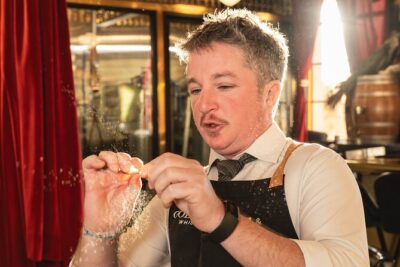 ★ 5.0San Francisco Whiskey Cocktail Class: Views and City HistoryFrom $69206 reviews
 ★ 5.0San Francisco’s Essential Chocolate Chip Cookie WorkshopFrom $9931 reviews
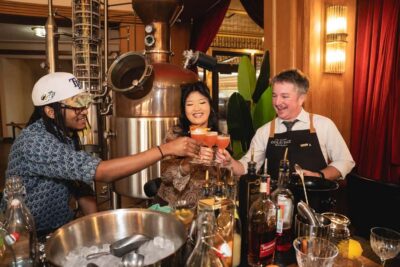 ★ 4.9Local Distillery Cocktail ClassFrom $4911 reviews
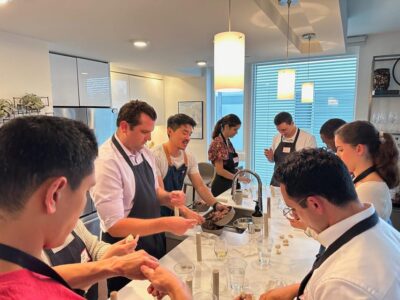 ★ 5.0Dumpling Cooking Class & 3-Course DinnerFrom $13510 reviews
 ★ 5.0Rug Tufting WorkshopFrom $996 reviews
 ★ 5.0Private Farm Workshop in Napa Valley6 reviews
 ★ 5.0Beginner Surf Lessons At Stinson BeachFrom $1005 reviews
 ★ 5.0Chocolate Chip Cookie WorkshopFrom $995 reviews
Browse the lists this tour appears in