
Reviewed · HISTORICAL TOURS
Castro District LGBTQ+ Historic Tour
The Castro tells a story at street level. This 90-minute walk through San Francisco’s LGBTQ+ heartland links key places, people, and symbols—from Harvey Milk’s world to memorials that changed how communities remember. With a small group and a local guide, you get the why behind what you see, not just the what.
I especially love how the tour ties the neighborhood to real civic history, like Harvey Milk’s camera shop and life at the center of political change. I also like the pace and teaching style; the guide keeps a clear timeline and makes stops feel connected instead of random. It’s a smart way to leave with understanding, not just photos.
One thing to consider: you’ll be walking and standing for most of the 1 hour 30 minutes, with a moderate fitness level recommended. If you’re sensitive to hills or long curb-to-curb stretches, plan a slower day after.
In This Review
- Key highlights you’ll feel on the walk
- Starting at Harvey Milk Plaza: how the Castro walk really works
- Harvey Milk Plaza to Castro District street corners: history you can point at
- The Castro Theatre stop: 1920s movie palaces and the Castro’s public face
- GLBT Historical Society Museum: original rainbow flag context without the ticket
- Pink Triangles Memorial Park: remembering 1933–1945 with clear purpose
- Twin Peaks Tavern and the bar strip: how nightlife became visibility
- Why GLBT became LGBT—and what the rainbow colors mean
- U.S. military influence and neighborhood formation: the hidden forces behind a visible community
- The guide factor: Eric Curry’s pace, humor, and people-first approach
- Price and time value: is $39 for 90 minutes a smart buy?
- Practical advice before you go: timing, transit, and what to wear
- Should you book the Castro District LGBTQ+ Historic Tour?
- FAQ
- How long is the Castro District LGBTQ+ Historic Tour?
- How much does the tour cost?
- When does the tour start?
- Where does the tour begin and end?
- Do I need an admission ticket for all stops?
- Does the tour enter the GLBT Historical Society Museum?
- Is the tour group size small?
- Is a mobile ticket provided?
- Is the tour accessible for everyone?
- What is the cancellation policy?
Key highlights you’ll feel on the walk
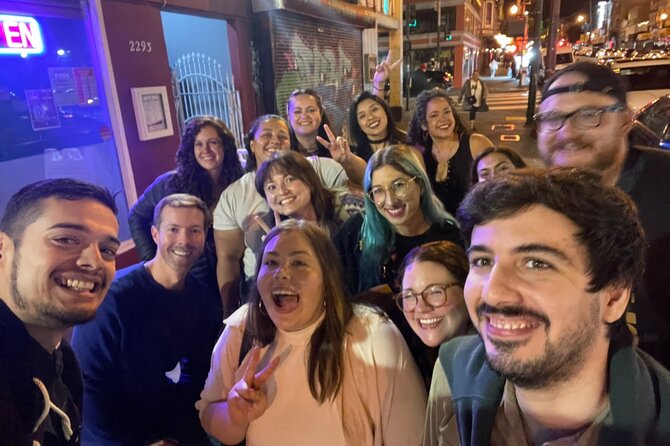
- Small group size (max 10) makes it easier to ask questions and hear details clearly.
- Harvey Milk Plaza sets the tone fast, then the walk builds from early LGBTQ+ organizing to later cultural landmarks.
- Pink Triangles Memorial Park is a serious stop with clear context on what happened during 1933–1945.
- Rainbow symbolism explained includes why the term changed from GLBT to LGBT and what the flag colors represent.
- Castro Theatre + GLBT Historical Society are key context stops even when you’re not going inside.
- End at The Mix gives you an easy, local way to keep the conversation going.
More of the Castro and its history
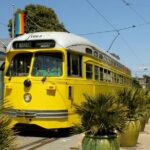
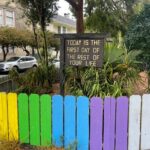
Starting at Harvey Milk Plaza: how the Castro walk really works
The tour meets at Harvey Milk Plaza in San Francisco, with an afternoon start time of 3:00 pm. You’re given a mobile ticket, which keeps things simple once you’re there and ready to go. The group stays small—up to 10 people—so it doesn’t feel like you’re herded through a neighborhood.
Expect a mostly outdoor experience. The stops are close enough that it’s manageable, but you’re still on your feet for the full loop. The walking is guided and timed, so the route moves along, rather than giving you long free-wander breaks.
This format is great if you want real context quickly. You’ll see enough to understand the Castro’s structure—what’s close together, what changed over time, and which landmarks carry meaning beyond their looks. And because the day starts in the heart of the district, you get oriented before you drift off on your own later.
Harvey Milk Plaza to Castro District street corners: history you can point at
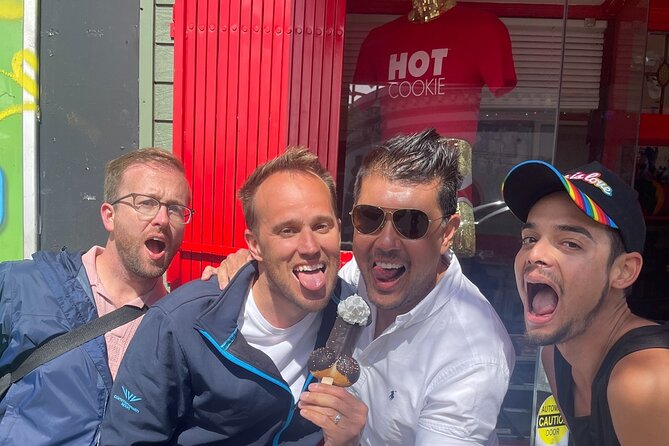
Right away, the walk focuses on the Castro as a lived-in neighborhood, not a museum. You’ll pass notable locations around the Castro where everyday businesses and street life helped shape a visible LGBTQ+ community. This is where the guide’s storytelling matters: you’re learning how places gained meaning because people built community there.
A key thread is Harvey Milk—including the fact that he lived in the neighborhood and owned a camera shop there. That one detail changes how you view everything nearby. Instead of seeing only signs, you start noticing how business, advocacy, and politics blended right into normal life.
During this first stretch, you’ll also get pointed out fun shops, restaurants, and bars. The point isn’t to shop. It’s to help you read the neighborhood today and understand how it became a place where people could be seen.
If you’re the kind of traveler who likes to connect dots—politics to sidewalks, protest to storefronts—this section is exactly your speed.
The Castro Theatre stop: 1920s movie palaces and the Castro’s public face
One of the route’s most recognizable landmarks is The Castro Theatre, one of the last historic movie palaces from the 1920s. The tour makes this stop short—about 10 minutes—but it’s still meaningful because theaters are community hubs. They’re where people gather in large numbers, and in the Castro, public space mattered.
Admission to The Castro Theatre is not included, and the tour doesn’t promise entry during this stop. You’ll likely use this time for viewing and orientation—learning what the building represents and how it fits into the district’s growth.
Even if you skip going inside later, you’ll come away with a better sense of why the Castro’s identity shows up in architecture and public gathering places. This is also a helpful anchor for your own exploring. Once you know where the theater is and what it symbolizes, the surrounding streets become easier to navigate and remember.
GLBT Historical Society Museum: original rainbow flag context without the ticket
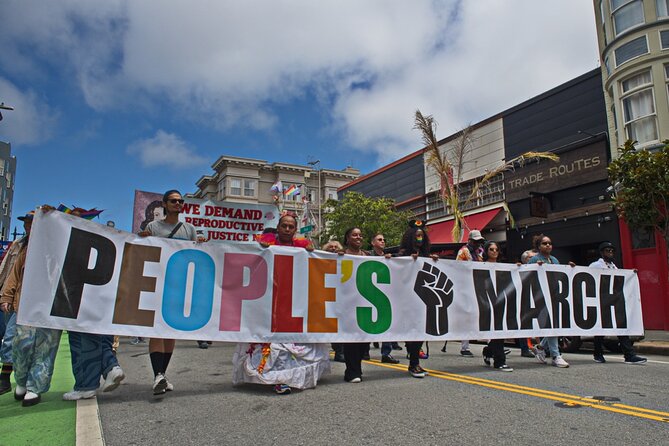
Another important checkpoint is the GLBT Historical Society Museum. The tour notes that they don’t enter the museum, so think of this as an exterior and context stop—about 10 minutes—with admission not included.
What makes this location special is tied to the story you came for: it’s home to the original rainbow flag. That detail isn’t just a trivia nugget. It helps you understand why the Castro’s symbols weren’t random. They were intentional, visible, and designed to signal belonging in a time when that wasn’t guaranteed.
Even without going inside, you’ll learn how the museum connects to the neighborhood’s ongoing role as a cultural and political center. If symbols matter to you—especially the way movements use color and language—this stop lands well.
The older layers of San Francisco, peeled back
Pink Triangles Memorial Park: remembering 1933–1945 with clear purpose
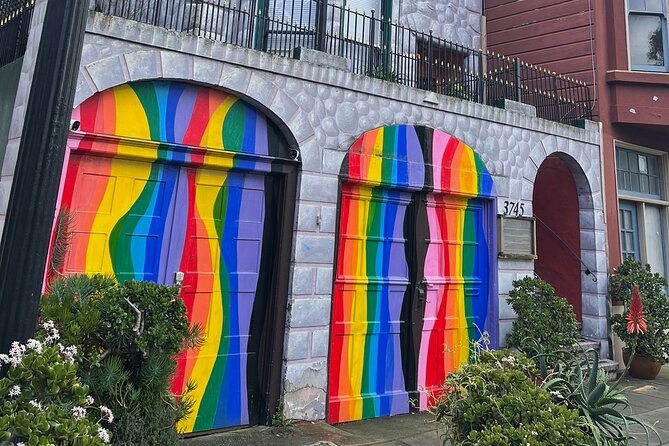
The most emotionally serious stop is Pink Triangles Memorial Park. The tour frames it as the first public monument honoring the approximately 15,000 gay and lesbian people killed during the fascist Nazi regime in 1933–1945.
This is the kind of stop where the guide’s job is crucial. You don’t want vague sadness; you want accurate context and a way to hold the memory respectfully. The tour gives this part about 20 minutes, which feels right for a memorial—enough time to take it in without rushing past.
I like that the tour places this monument in the middle of a wider neighborhood story. It reminds you that community history includes both joy and survival, and that public remembrance plays a role in keeping identities safe.
If you’re visiting the Castro mainly for culture, this stop still changes the meaning of the trip. It turns your experience from sightseeing into understanding.
Twin Peaks Tavern and the bar strip: how nightlife became visibility
One of the later stops is Twin Peaks Tavern, described as one of the first bars on the strip that helped solidify the Castro as a gay mecca. This is a classic “place matters” lesson. Bars and gathering spots aren’t just for fun; they can be where community networks form, where news spreads, and where newcomers learn the rules of belonging.
The tour keeps this stop to about 20 minutes, which is enough for orientation and context even if you don’t sit down. You also end at a nearby watering hole—The Mix—so the day has a natural “continue on your own” finish.
If you want to understand the Castro’s social gravity, pay attention here. The guide links bar culture to the neighborhood’s visibility and stability, helping you see why these places earned their reputations over time.
Why GLBT became LGBT—and what the rainbow colors mean
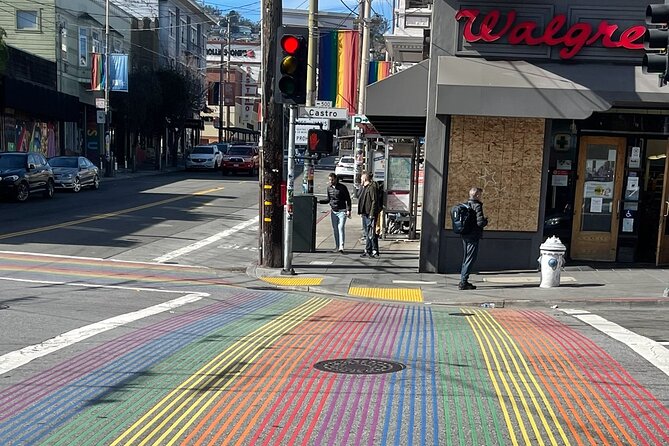
A big chunk of the tour is about symbolism and language—exactly the kind of detail many visitors miss. You’ll learn why the neighborhood’s early term GLBT shifted to LGBT, and you’ll hear how the rainbow flag’s different colors represent specific ideas.
This matters because language and symbols often move with politics, community growth, and how people want to be seen. When a guide explains the evolution, you stop treating the flag like decoration and start treating it like communication.
I like that the tour doesn’t just point upward to icons; it anchors them to the neighborhood’s story. You’re learning that identity signals weren’t only about style. They were about organizing, safety, and recognition—especially when visibility came with risk.
If you want a quick “what does that mean?” answer for the flag and the letters, this tour gives it to you in plain language while you’re standing right in the district where it all took shape.
U.S. military influence and neighborhood formation: the hidden forces behind a visible community
The tour also covers the role of the US military in forming parts of the neighborhood. That’s an important angle because it explains why certain demographics clustered and why the Castro gained momentum beyond local life alone.
You’ll also learn how the guide connects local businesses that were still standing with how the district became a focal point for LGBTQ+ community life. It’s not just one dramatic event and then history ends. It’s a chain of influences—people, places, and institutions—that helped the neighborhood grow into something larger than itself.
This section is a good reminder that history isn’t only happening in big buildings or official documents. It happens in who moves where, who opens shop, and what kinds of spaces people need to be safe and connected.
The guide factor: Eric Curry’s pace, humor, and people-first approach
A tour like this lives or dies by the guide, and the experience here has strong consistency in that department. On the walk, the guide—Eric Curry—is described as passionate, friendly, and confident with facts. The storytelling keeps you engaged from the start and helps you follow a timeline of events down Castro.
One of the best practical benefits of that style is comfort. If you’re going solo, it helps when the guide actively makes the group feel at ease. I also like when a guide doesn’t treat questions as interruptions. The pace stays conversational, so you’re not just watching landmarks glide by.
For a historic walking tour, safety and clarity are part of the experience. You should leave with a sense of where you are and what you’ve learned—so your next stop in the neighborhood feels meaningful, not random.
Price and time value: is $39 for 90 minutes a smart buy?
At $39 per person for about 1 hour 30 minutes, this tour is priced like a focused, guided hit—not an all-day production. For me, the value comes from what you’re buying: interpretation.
You’re not paying for a long bus ride or a museum ticket that you might not use. You’re paying for a local guide to connect specific places to the broader story: Harvey Milk’s life, the Castro Theatre’s public role, the GLBT Historical Society’s symbolism, Pink Triangles’ remembrance, and the bar-culture roots.
That’s also why the structure works. With a short visit to each landmark, you get a range of topics without the mental overload that can come with multi-hour tours. Plus, because the group is small, the guide can keep explanations at a human pace.
If you’re short on time in San Francisco but want more than surface-level sightseeing, this is a solid spend. If you have all day and plan to read on your own, you might not need it. But if you want context quickly, this hits the sweet spot.
Practical advice before you go: timing, transit, and what to wear
This walk starts at 3:00 pm, so it fits nicely into a travel schedule where you’ve had a morning to recover or explore other neighborhoods. You’ll also like the end point: you finish at The Mix at 4086 18th St, a popular place to grab a drink or bite after the walk.
The tour runs near public transportation, which is a help in a city where getting around can be half the battle. You’ll also be on your feet enough to want supportive shoes.
Because service animals are allowed and the tour recommends moderate physical fitness, it’s best to think of this as a manageable stroll rather than a leisurely sit-down experience. If you know you’ll need frequent breaks, build that into your day.
Should you book the Castro District LGBTQ+ Historic Tour?
Book it if you want a clear, respectful way to understand how the Castro became the LGBTQ+ neighborhood it is today. This is ideal if you care about symbols, language, and the link between political events and real street corners. It’s also a great choice when you’re traveling with limited time and want context that you can carry into your own exploring afterward.
I’d skip it or pair it with more flexible plans if you prefer deep time in fewer locations. This tour is structured for coverage, so you’ll get many “key points” rather than long stays in one place. But for $39 and 90 minutes, that trade-off is usually worth it—especially if you like guided storytelling that stays grounded.
In short: if the Castro’s history and meaning matter to you, this is a smart way to experience it.
FAQ
How long is the Castro District LGBTQ+ Historic Tour?
It lasts about 1 hour 30 minutes.
How much does the tour cost?
The price is $39.00 per person.
When does the tour start?
The start time listed is 3:00 pm.
Where does the tour begin and end?
It starts at Harvey Milk Plaza and ends at The Mix, 4086 18th St, San Francisco, CA 94114.
Do I need an admission ticket for all stops?
Admission is free for some stops, and not included for others. The Castro Theatre and the GLBT Historical Society Museum are listed as not included.
Does the tour enter the GLBT Historical Society Museum?
No. The tour states that they don’t enter the museum, though it’s part of the route.
Is the tour group size small?
Yes. The maximum number of travelers is listed as 10.
Is a mobile ticket provided?
Yes, the tour includes a mobile ticket.
Is the tour accessible for everyone?
A moderate physical fitness level is recommended, and it’s a walking tour. Service animals are allowed.
What is the cancellation policy?
You can cancel for a full refund with free cancellation up to 24 hours in advance of the experience’s start time.
More Tours in San Francisco
- Big Bus SF: Hop-on Hop-off Tour with 17 Stops and Sunset Option★ 4.0 · 4,539 reviews
- Napa and Sonoma Wine Country Full-Day Tour from San Francisco★ 4.5 · 4,455 reviews
- San Francisco: Hop-On Hop-Off Sightseeing Tour with 17 Stops★ 4.5 · 3,600 reviews
- Yosemite Highlights & Giant Sequoias Day Tour from San Francisco★ 4.5 · 3,455 reviews
- San Francisco Love Tour★ 5.0 · 2,830 reviews
- San Francisco: Alcatraz Island & 48-Hour Hop-On Hop-Off Tour★ 4.6 · 2,245 reviews
More Tour Reviews in San Francisco
- Muir Woods and Sausalito (Return by Bus or Ferry)★ 4.5 · 5,098 reviews
- Big Bus SF: Hop-on Hop-off Tour with 17 Stops and Sunset Option★ 4.0 · 4,539 reviews
- Napa and Sonoma Wine Country Full-Day Tour from San Francisco★ 4.5 · 4,455 reviews
- Small Group Yosemite and Giant Sequoias Day Trip from San Francisco★ 5.0 · 3,671 reviews
- San Francisco: Golden Gate Bay Cruise★ 4.7 · 3,644 reviews
- San Francisco: Hop-On Hop-Off Sightseeing Tour with 17 Stops★ 4.5 · 3,600 reviews
The Castro, Continued
- San Francisco LGBTQ Walking Tour with Local Guide★ 5.0 · 600 reviews
- San Francisco Urban Hike: Castro and Twin Peaks★ 5.0 · 71 reviews
- San Francisco Castro Mission Loop Tour★ 5.0 · 12 reviews
- San Francisco: Castro District LGBTQ+ History Tour★ 5.0 · 9 reviews
- San Francisco : Mission and Castro districts tour in French★ 4.6 · 6 reviews
- Castro District LGBTQ+ History Tour★ 5.0 · 5 reviews
Just Reviewed: Fresh San Francisco Tours
- Private San Francisco City Tour + Alcatraz (Tickets Incl., Max 6)
★ 5.0 · 3 reviews - San Francisco: North Beach Food and History Walking Tour
★ 5.0 · 3 reviews - San Francisco Bay Cruise and City Combo Tour
★ 3.5 · 3 reviews - San Francisco City Half-Day Private Custom Tour
★ 5.0 · 3 reviews - San Francisco: Muir Woods, Point Reyes, and Meadery Tour
★ 4.2 · 3 reviews - Private Muir Woods and Sausalito Half Day Tour
★ 5.0 · 3 reviews
Historical Tours, compared.
 ★ 5.0Chinatown & North BeachLittle Italy: 7 Tastings & HistoryFrom $961,070 reviews
 ★ 5.0North Beach & Little Italy Walking Tour: Food, History & FlavorFrom $861,044 reviews
 ★ 5.0Chinatown Walking Tour: Food, History & FlavorFrom $86575 reviews
 ★ 5.0#1 Sonoma Walking Food, Wine Tasting & History Tour (Public Tour)From $189457 reviews
 ★ 5.0San Francisco Whiskey Cocktail Class: Views and City HistoryFrom $69206 reviews
 ★ 4.5Chinatown Food & History Walking Tour – Small GroupFrom $8536 reviews
 ★ 4.9Chinatown Food and History Walking TourFrom $8527 reviews
 ★ 4.5North Beach Food & History Walking Tour – Small GroupFrom $8925 reviews
Browse the lists this tour appears in