
Reviewed · CASTRO & LGBTQ+ TOURS
San Francisco : Mission and Castro districts tour in French
San Francisco has a talent for stories in plain sight. This French small-group tour stitches together two standout neighborhoods, with Castro’s LGBTQ landmarks and the Mission’s art and murals. I also like how the route moves beyond postcards, with stops that make neighborhoods feel lived-in rather than museum-like.
The one thing to plan for: it runs rain or shine, and you’ll be walking through several different areas over about three hours. If you’re sensitive to weather, bring what you need so the day stays pleasant.
In This Review
- Key highlights you should care about
- Why Castro and Mission is the San Francisco combo that makes sense
- Starting at Cafe de Casa: setting the tone for a 3-hour walk
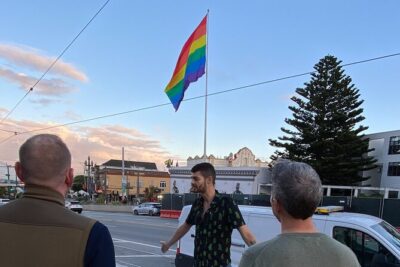
- Castro in French: Rainbow Flag moments and the Harvey Milk thread
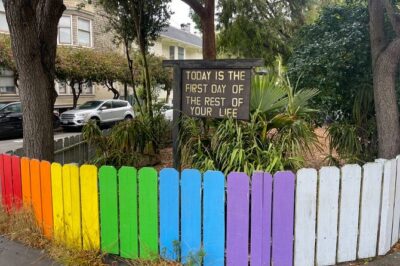
- Victorian houses, murals, and the blue house detail you can’t miss
- Mission Dolores: the oldest building, plus the start of the Mission vibe
- Clarion Alley and the Women’s Building mural: street art with a purpose
- Valencia Street: where you taste the neighborhood, not just view it
- Liberty Hill houses and Dolores Park: architecture and the big city payoff
- The French guide factor: small group energy that helps the story land
- Price and value: what you get for about $65
- What to bring (and what to expect during rain or shine)
- Who this tour fits best
- Should you book this Mission and Castro tour in French?
- FAQ
- FAQ
- Is the tour guided in French?
- How long is the tour?
- What is the group size limit?
- Where does the tour start and end?
- What is included in the price?
- Does the tour run in bad weather?
Key highlights you should care about
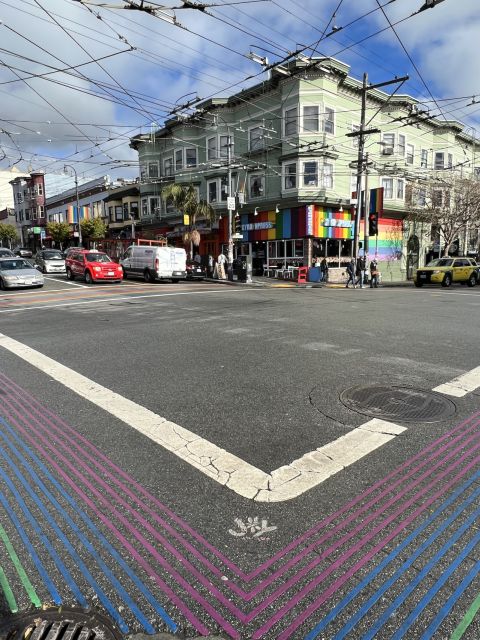
- Castro’s Rainbow Flag and Harvey Milk Plaza give you instant context for LGBTQ history
- Castro Theatre area stops help you see how community life shaped the neighborhood
- Mission Dolores and Dolores Street connect old San Francisco to today’s culture
- Women’s Building mural and Clarion Alley graffiti show street art as public storytelling
- Valencia Street food and shopping mix makes the Mission feel real fast
- Dolores Park viewpoint ends the tour with a wide-angle look at the city
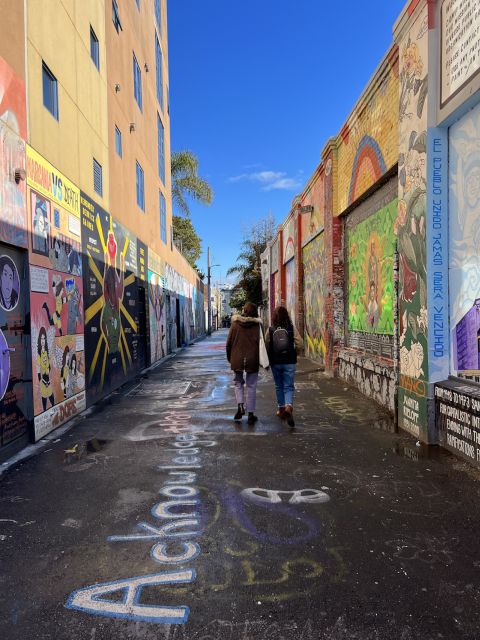
Murals and taquerias, more of the Mission



Why Castro and Mission is the San Francisco combo that makes sense
If you want San Francisco in two quick neighborhoods, Castro and the Mission do the job. The Castro gives you a focused look at how community identity formed and evolved, while the Mission shows another side of the city: layered histories, mural walls, and everyday creative energy.
I like this pairing because it teaches you how neighborhoods change without feeling like a lecture. You’re not just seeing sights, you’re learning why these streets developed their characters and how people carried their culture forward.
Starting at Cafe de Casa: setting the tone for a 3-hour walk
The tour begins at Cafe de Casa, a practical meeting point that makes it easy to show up, get oriented, and settle into walking mode. From there, you’ll get a route that’s paced for a small group of up to 10 people, which matters in a city where crowds can swallow good explanations.
You also get a map of the visited places with best addresses. That’s useful because the tour doesn’t end when the walk ends. You can keep going afterward with fewer guesswork moments, especially in neighborhoods that reward wandering.
Castro in French: Rainbow Flag moments and the Harvey Milk thread
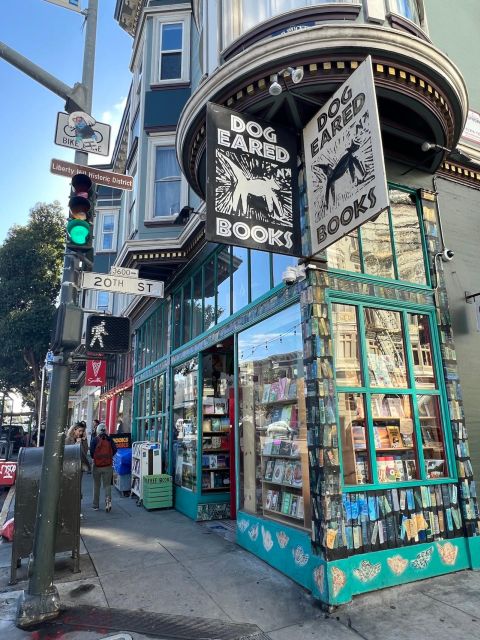
The Castro is one of those places where you can feel the history before you fully know it. The tour starts by guiding you straight to the big visual cue: the giant Rainbow Flag, plus nearby stops tied to LGBTQ community history.
You’ll spend time around Harvey Milk Plaza and the Castro Theatre area. That matters because Harvey Milk wasn’t just a figure in the past; he represents political visibility that still shapes the neighborhood’s identity. The walk also points out the former photo store connected to him, which helps you connect personal history to a specific address you can stand in front of.
Here’s a practical tip for this part: bring your phone camera, but also look up. In the Castro, it’s easy to focus only on signage and forget the architecture and street layout that frame daily life. The tour uses photo stops to help you notice both.
Victorian houses, murals, and the blue house detail you can’t miss
As you move toward the Mission, the scenery shifts in a way that feels immediate. You’ll see Victorian houses and architecture that make the streets look like they’re talking to each other across time. This isn’t random sightseeing; it helps explain how older building styles shaped neighborhood development.
Then come the murals and street-level storytelling. One specific detail stands out from the tour’s storytelling approach: the idea of the famous blue house that Maxime Le Forestier sang about is presented as something you can see right in front of you. Even if you don’t know the song, the point lands because it turns a lyric into a real location.
The drawback to watch for: this stretch is visual-heavy. If you want photos, plan for quick stops and don’t try to capture everything at once. Let the guide’s timing do the work, then come back later if you want a closer look.
More of the Castro and its history
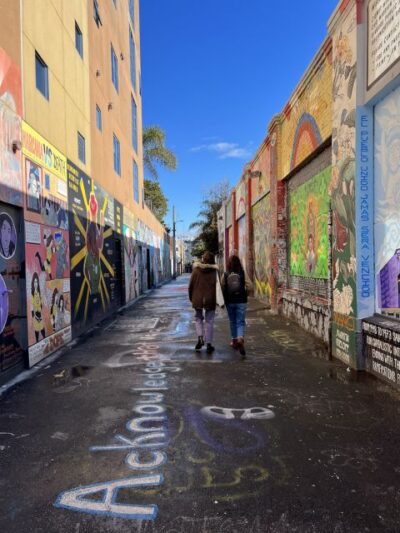
Mission Dolores: the oldest building, plus the start of the Mission vibe
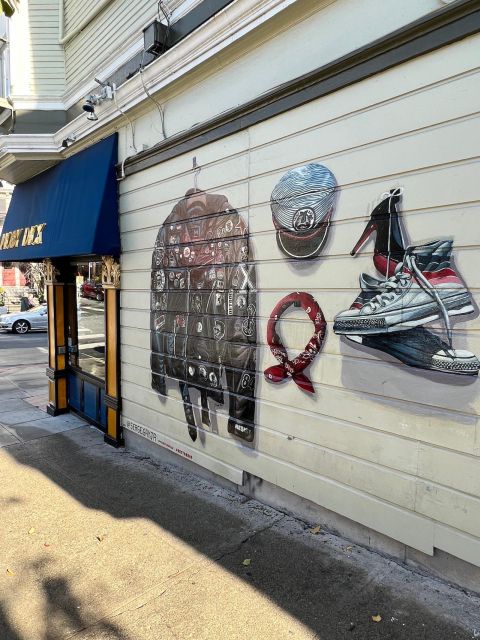
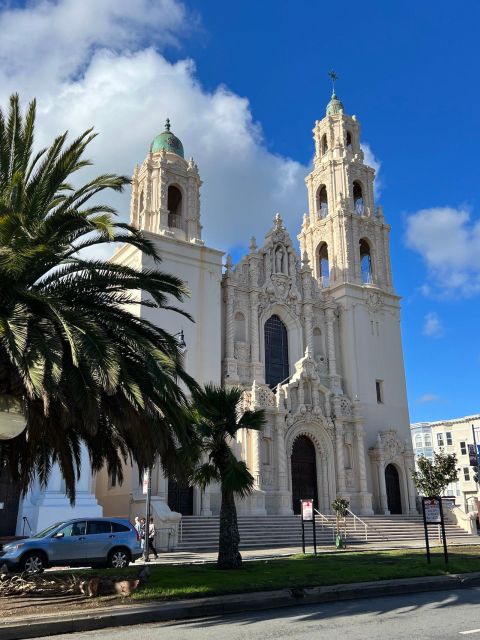
When the tour reaches Mission Dolores, it gives you an anchor point. You’re looking at the city through a longer lens, starting with one of San Francisco’s oldest historic sites. From there, you’ll head along Dolores Street, known for its palm-lined streets and strong sense of everyday life.
This section works well because it connects three things you’ll see all day: history, street art, and local culture. It also sets you up for the Mission’s open-air creativity, where walls act like a gallery you can walk past without tickets.
If you’re the type who likes to understand context before you shop or snack, this is the moment to slow down. After a few blocks, you’ll start noticing how the Mission mixes the old and the new in the same line of sight.
Clarion Alley and the Women’s Building mural: street art with a purpose
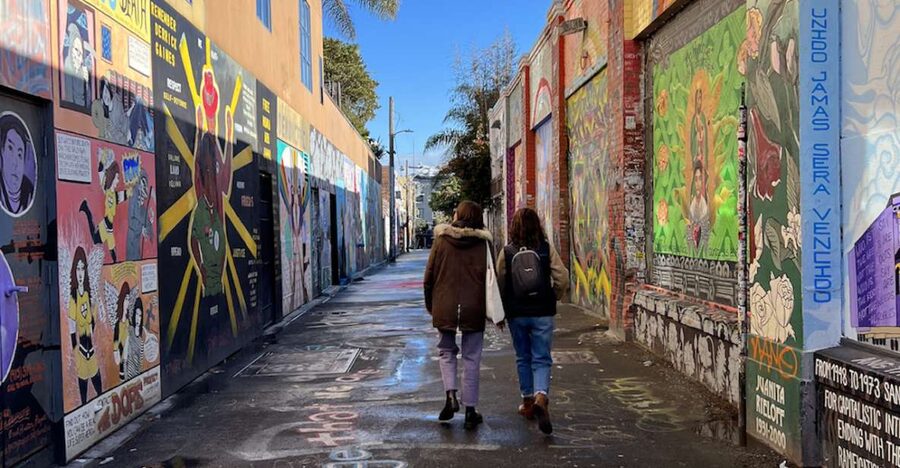
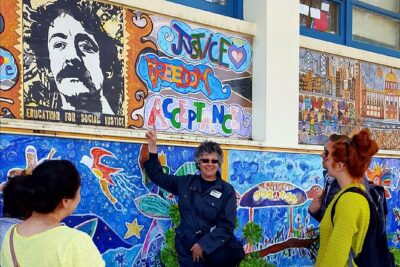
The tour’s street art stop is where many people feel the Mission click. You’ll visit the Women’s Building and see its large mural, then you’ll move to Clarion Alley, known for its urban graffiti and artwork.
This is valuable for two reasons. First, it teaches you that street art isn’t only decoration in the Mission; it often carries messages about identity, community, and visibility. Second, it helps you practice looking: try to read the layers, not just the colors.
If you’re visiting with kids, this part tends to work because it’s visual, big, and easy to comment on. Even adults who usually skip murals often end up lingering here to understand what they’re seeing.
Valencia Street: where you taste the neighborhood, not just view it
Next is Valencia Street, and the tour’s approach makes sense: you go from history and murals into a working neighborhood street. Here you’ll find local boutiques, Mexican taquerias, thrift shops, and independent bookstores.
I like this stop because it’s not a hard sell. It’s more like a guide showing you what kinds of places define the Mission’s “lived in” feel. Even if you don’t buy anything, you get a sense of the rhythms: what people pop into, what’s casual, and what’s meant for regular life.
Practical note: since beverages aren’t included, if you want a drink, plan to pick one up on your own during this part. Also, don’t rush the bookstores unless you’re on a tight schedule. A quick browse is often the best way to understand what the neighborhood values.
Liberty Hill houses and Dolores Park: architecture and the big city payoff
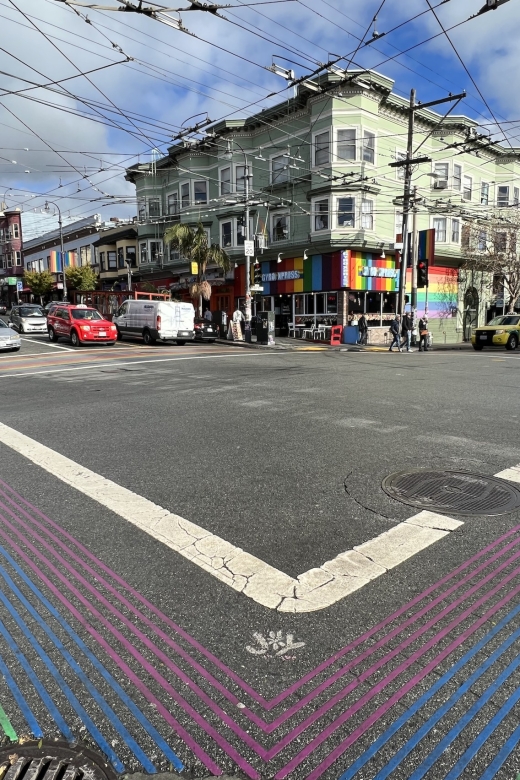
The tour also touches Liberty Hill District, described as San Francisco’s first suburb. This stop is about contrast: simple cottages and then larger homes, including Victorian mansions that show how the area grew and diversified.
One address mentioned in the tour storytelling is the John McMullen House, which adds a name you can remember when you’re looking at the architecture. It’s one of those moments where a neighborhood stops being “pretty houses” and becomes a place with a timeline you can feel.
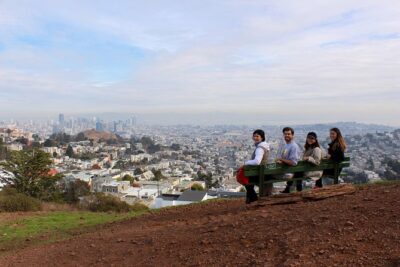
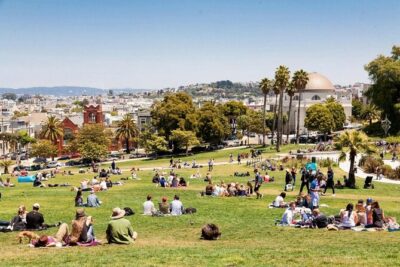
Then the walk finishes at the top of Dolores Park. The payoff here is the view: you get a wide look across the city and toward the distant downtown skyscrapers. It’s a great place to slow down after a couple hours of walking and let the day’s neighborhoods settle in.
The French guide factor: small group energy that helps the story land
This tour runs with a French-speaking live guide, and the difference shows. The best part isn’t just language; it’s the way the guide connects the dots between locations.
From what’s been shared by past participants, guides like Jeremy and Lillian can make the history feel personal through pleasant explanations and anecdotes. One strong theme: this tour works for both adults and kids, which usually means the pacing and storytelling are clear enough for mixed ages.
Because it’s limited to 10 participants, you can usually hear the explanation without playing loud-city audio roulette. That matters in San Francisco, where street noise can bully your attention.
Price and value: what you get for about $65
At $65 per person for roughly 3 hours, this isn’t a bargain tour you treat like background scenery. It’s priced like a proper guided neighborhood walk, with a few included “extras” that make it easier to continue after.
Here’s what’s included:
- A French-speaking guide
- A map with addresses
- An email after the visit with a reminder of places visited and a souvenir photo
If you’re the kind of traveler who uses maps and wants a photo recap, that added value helps justify the cost. If you hate guided tours in general, you might feel it’s pricey. But if you like learning while walking through real streets, you’ll likely see the value fast.
What to bring (and what to expect during rain or shine)
This tour goes rain or shine, so pack like it’s a typical San Francisco afternoon: layers, a light rain plan, and shoes you trust on sidewalks. You won’t just be standing still; you’ll move through multiple neighborhoods, so comfort beats style here.
Also remember: beverages aren’t included, so plan for water or a stop during free moments. The tour includes guidance and stops, not a snack run.
Who this tour fits best
This experience is a great fit if you:
- Want French interpretation and clear storytelling
- Care about LGBTQ history and how places hold community memory
- Love street art and murals like Clarion Alley
- Prefer a small group over big-bus crowds
- Want architecture as part of the story, not just a photo backdrop
It’s also a solid family choice based on how the tour has been enjoyed across ages. The route has enough variety that kids aren’t stuck watching adults take notes the whole time.
Should you book this Mission and Castro tour in French?
Book it if you want a structured way to see two neighborhoods that explain different sides of San Francisco’s identity, with a guide who can make the history feel human. The Castro’s landmark history, the Mission’s mural stops, and the end viewpoint at Dolores Park make a complete arc for first-timers.
Skip it only if you’re looking for a self-guided “wander at your own speed” day. This one is timed, guided, and focused. If that sounds like your style, you’ll likely leave with not just photos, but a clearer picture of why these streets feel the way they do.
FAQ
FAQ
Is the tour guided in French?
Yes. The tour is led by a French-speaking guide.
How long is the tour?
The tour lasts about 3 hours.
What is the group size limit?
It’s a small group, limited to up to 10 participants.
Where does the tour start and end?
It starts at Cafe de Casa and finishes at the top of Mission Dolores Park.
What is included in the price?
You get the French-speaking guide, a map of the visited places with best addresses, and an email after the visit with a reminder of places visited plus a souvenir photo.
Does the tour run in bad weather?
Yes. It takes place rain or shine.
More Tour Reviews in San Francisco
- Muir Woods and Sausalito (Return by Bus or Ferry)★ 4.5 · 5,098 reviews
- Big Bus SF: Hop-on Hop-off Tour with 17 Stops and Sunset Option★ 4.0 · 4,539 reviews
- Napa and Sonoma Wine Country Full-Day Tour from San Francisco★ 4.5 · 4,455 reviews
- Small Group Yosemite and Giant Sequoias Day Trip from San Francisco★ 5.0 · 3,671 reviews
- San Francisco: Golden Gate Bay Cruise★ 4.7 · 3,644 reviews
- San Francisco: Hop-On Hop-Off Sightseeing Tour with 17 Stops★ 4.5 · 3,600 reviews
The Castro, Continued
- San Francisco LGBTQ Walking Tour with Local Guide★ 5.0 · 600 reviews
- San Francisco Urban Hike: Castro and Twin Peaks★ 5.0 · 71 reviews
- San Francisco Castro Mission Loop Tour★ 5.0 · 12 reviews
- San Francisco: Castro District LGBTQ+ History Tour★ 5.0 · 9 reviews
- Castro District LGBTQ+ Historic Tour★ 5.0 · 9 reviews
- Castro District LGBTQ+ History Tour★ 5.0 · 5 reviews
Murals and Tacos: The Mission
- Mission District Food Tour: Appetizers, Entrée and Dessert★ 5.0 · 182 reviews
- San Francisco: Mission District Food Tour with 6 Tastings★ 4.9 · 104 reviews
- Mission District Food Tour★ 5.0 · 69 reviews
- Mission District Food and Culture Walking Tour★ 4.5 · 47 reviews
- San Francisco: Mission District Walking Food Tour★ 4.8 · 22 reviews
- Mission 18th Street San Francisco Food Tour★ 4.5 · 15 reviews
Just Reviewed: Fresh San Francisco Tours
- Private San Francisco City Tour + Alcatraz (Tickets Incl., Max 6)
★ 5.0 · 3 reviews - San Francisco: North Beach Food and History Walking Tour
★ 5.0 · 3 reviews - San Francisco Bay Cruise and City Combo Tour
★ 3.5 · 3 reviews - San Francisco City Half-Day Private Custom Tour
★ 5.0 · 3 reviews - San Francisco: Muir Woods, Point Reyes, and Meadery Tour
★ 4.2 · 3 reviews - Private Muir Woods and Sausalito Half Day Tour
★ 5.0 · 3 reviews
Castro & LGBTQ+ Tours, compared.
 ★ 5.0San Francisco LGBTQ Walking Tour with Local GuideFrom $40600 reviews
 ★ 5.0San Francisco Urban Hike: Castro and Twin Peaks71 reviews
 ★ 5.0San Francisco Castro Mission Loop TourFrom $6512 reviews
 ★ 5.0Castro District LGBTQ+ History TourFrom $399 reviews
 ★ 5.0Castro District LGBTQ+ Historic TourFrom $399 reviews
 ★ 5.0Castro District LGBTQ+ History TourFrom $395 reviews
 ★ 4.0Castro & LGBTQ Private Walking TourFrom $1004 reviews
 ★ 4.0Private City Kickstart Tour:The Castro & Mission DistrictFrom $1404 reviews
Browse the lists this tour appears in